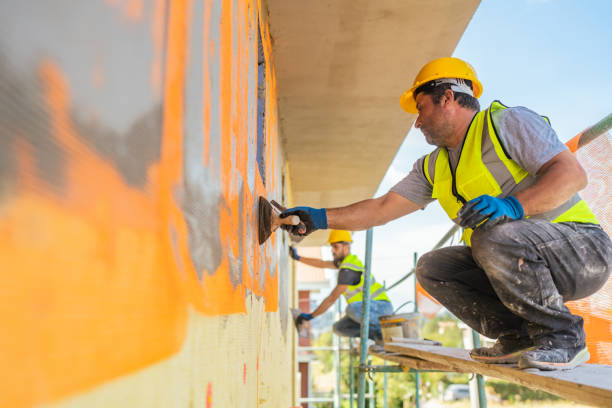
Your building’s facade is more than just its appearance—it’s a critical structural component that protects occupants, pedestrians, and the overall integrity of the property. In New York City, where buildings face constant exposure to extreme weather, pollution, and aging infrastructure, facade deterioration is a serious concern.
Ignoring early warning signs can lead to costly repairs, safety hazards, and even legal penalties under NYC regulations. In this guide, we’ll break down the top signs your building needs facade restoration in NYC, what they mean, and when to take action.
Why Facade Maintenance Is Critical in NYC
New York City enforces strict building safety laws to ensure public protection. One of the most important regulations requires periodic inspection of building exteriors.
Failing to maintain your facade can result in:
- Dangerous falling debris
- Expensive emergency repairs
- Violations and fines
- Mandatory sidewalk sheds
Routine inspections and timely restoration help avoid these risks and preserve your building’s value.
1. Cracks in the Exterior Walls
Cracks are one of the earliest and most visible signs of facade damage.
What to look for:
- Vertical or horizontal cracks in brick or stone
- Stair-step cracks in masonry joints
- Hairline cracks that continue to expand
Why it matters:
Cracks allow water to penetrate the structure, leading to further deterioration, especially during freeze-thaw cycles common in NYC.
2. Bulging or Bowing Walls
If your facade appears uneven or bulging outward, it may indicate structural movement or internal damage.
Common causes:
- Moisture trapped behind the facade
- Corroded steel supports
- Poor construction or aging materials
This is a serious issue that requires immediate professional attention.
3. Spalling Brick or Stone
Spalling occurs when the surface of brick or stone begins to chip, flake, or break off.
Signs of spalling:
- Pieces of brick falling off
- Rough or crumbling surfaces
- Exposed inner layers of masonry
NYC risk:
Spalling is not just cosmetic—it can become a safety hazard if debris falls onto sidewalks or streets.
4. Deteriorating Mortar Joints
Mortar holds your masonry together. Over time, it can weaken due to weather exposure.
Warning signs:
- Gaps between bricks
- Crumbling or powdery mortar
- Loose masonry units
This often means your building needs brick pointing (repointing) to restore stability.
5. Water Stains and Moisture Damage
Water infiltration is one of the most destructive forces affecting building facades.
Look for:
- Dark streaks or discoloration
- Efflorescence (white, chalky residue)
- Interior leaks near exterior walls
Unchecked moisture leads to mold, structural weakening, and long-term damage.
6. Rust Stains or Corroded Metal Components
Rust stains often indicate hidden structural issues within your facade system.
Common sources:
- Steel lintels above windows
- Anchors and fasteners
- Reinforced concrete elements
As metal corrodes, it expands, causing cracks and displacement in surrounding materials.
7. Loose or Falling Materials
This is one of the most dangerous warning signs—and should never be ignored.
Immediate red flags:
- Loose bricks or stones
- Falling debris
- Sections of facade separating
Why it’s critical:
Falling facade materials pose serious risks to pedestrians and can lead to lawsuits, violations, and emergency repairs.
8. Peeling Paint or Damaged Coatings
While paint issues may seem minor, they often signal deeper problems beneath the surface.
What it indicates:
- Moisture trapped inside walls
- Poor waterproofing
- Aging facade materials
Peeling paint is often an early sign of more extensive deterioration.
9. Drafts or Increased Energy Bills
If your building is losing heat in winter or cool air in summer, your facade may be compromised.
Signs:
- Drafts near walls or windows
- Rising HVAC costs
- Uneven indoor temperatures
Facade damage reduces insulation efficiency and increases energy expenses.
10. Previous Repairs Failing
If your building has undergone facade repairs in the past, those fixes may not last forever.
Watch for:
- Reappearing cracks
- Patches that look different from original materials
- Areas deteriorating again
Recurring issues often indicate that a more comprehensive restoration is needed.
NYC Compliance: Why You Can’t Ignore Facade Issues
New York City requires building owners to maintain safe exterior conditions. Neglecting facade problems can lead to:
- Violations and penalties
- Mandatory inspections
- Installation of sidewalk sheds
- Increased liability risks
Staying proactive with facade restoration helps you remain compliant and avoid unnecessary costs.
When Should You Schedule Facade Restoration?
You should contact a professional contractor if:
- You notice any of the signs listed above
- Your building hasn’t been inspected in several years
- You’re planning renovations or property upgrades
- You want to prevent future structural issues
Early intervention is always more cost-effective than emergency repairs.
Cost of Ignoring Facade Problems
Many NYC building owners delay repairs to save money—but this often leads to higher costs later.
Potential expenses include:
- Emergency facade stabilization
- Sidewalk shed installation
- Legal penalties
- Tenant complaints or vacancies
Investing in timely restoration protects both your building and your finances.
Preventative Maintenance Tips
To keep your facade in good condition:
- Schedule regular inspections
- Address minor issues early
- Waterproof exterior surfaces
- Maintain drainage systems
- Work with experienced NYC contractors
A proactive maintenance plan can extend the life of your building’s exterior by decades.
FAQs – Facade Restoration NYC
What is facade restoration?
Facade restoration is the process of repairing and renewing a building’s exterior to ensure safety, durability, and visual appeal.
How often should facade maintenance be done?
Routine inspections should be done annually, with major facade maintenance every 5–10 years depending on building age.
What’s the difference between facade repairs and full restoration?
Facade repairs fix specific problems, while building facade restoration involves comprehensive upgrades for long-term safety and beauty.
Is facade restoration required by law in NYC?
Yes. Local Law 11 requires owners of buildings over six stories to maintain safe facades with periodic inspections.
How much does facade restoration cost in NYC?
Costs vary, but facade restoration NYC projects can range from $20,000 for small jobs to over $100,000 for large buildings.
Final Thoughts
Facade damage doesn’t happen overnight—but the consequences of ignoring it can escalate quickly. From small cracks to falling debris, each warning sign is an opportunity to act before the problem worsens.
If you’ve noticed any of these issues, now is the time to take action. A professional inspection and timely restoration can protect your building, ensure compliance, and save you from costly repairs.
Get Expert Facade Restoration in NYC
Don’t wait until minor damage becomes a major safety hazard. Work with experienced professionals who understand NYC building requirements and facade systems.
👉 Learn more or request a consultation:
https://libertygcny.com/
Their team specializes in facade restoration, masonry repair, and exterior building maintenance across New York City.
Protect your building. Stay compliant. Restore your facade before it’s too late.
Contact Liberty GCNY
Website: www.libertygcny.com
Phone: (347) 682-9840
Serving: Manhattan, Brooklyn, Queens, The Bronx, Westchester County, and Long Island.
Address:110-14 178th St, Jamaica, NY
Need Help with Your Next Project? Call Liberty GCNY Today!
(347) 682-9840 Or Get A Free Estimate
Fast responses. Expert advice. Trusted service across NYC and beyond.