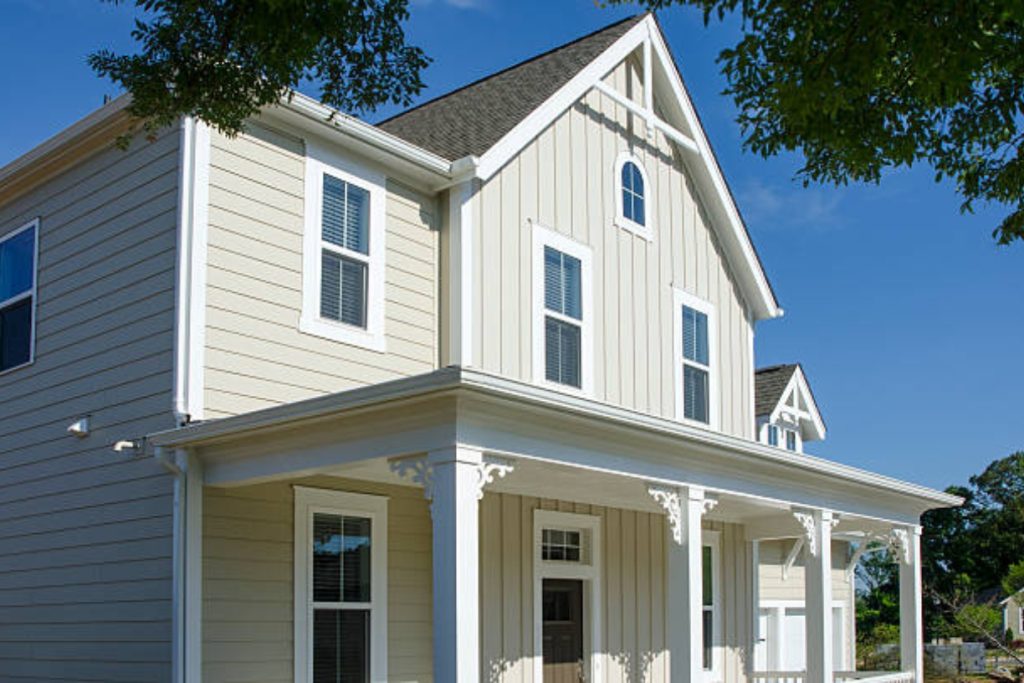
When you want to protect your home from rain, wind, moisture, and changing temperatures, choosing the right siding matters. Aluminum siding is a popular option because it is lightweight, durable, and relatively easy to maintain.
It has been used on homes for decades and is still a practical choice for homeowners who want a low-maintenance exterior. However, aluminum siding is not perfect. It can dent, fade, and make more noise during heavy rain than some other materials.
So, is aluminum siding right for your home?
This guide explains how aluminum siding works, its main advantages and disadvantages, typical costs, installation, maintenance, and how it compares with other siding materials.
What Is Aluminum Siding?

Aluminum siding is an exterior wall covering made from thin aluminum panels. The panels are finished with a coating or paint that gives them their color and helps protect the metal from weather.
The panels are installed over the outside walls of a home and are designed to keep rain and moisture away from the underlying structure.
Aluminum does not rust like steel, which makes it useful in wet environments. It is also lightweight, so it is easier to handle and install than many heavier exterior materials.
Today, aluminum siding is available in different colors, textures, and profiles. Some styles are designed to resemble traditional wood siding.
What Are the Benefits of Aluminum Siding?
Aluminum siding has several features that make it attractive to homeowners.
1. It Is Durable
Good-quality aluminum siding can last for decades when it is properly installed and maintained.
It can handle normal exposure to:
- Rain
- Snow
- Sunlight
- Wind
- Moisture
- Changing temperatures
Unlike wood, aluminum does not rot or attract termites. It also does not absorb water, which can help protect the exterior of your home from moisture-related problems.
However, its lifespan depends on the quality of the material, installation, local weather, and maintenance.
2. It Needs Little Maintenance
One of the biggest advantages of aluminum siding is that it does not require the same level of maintenance as wood.
You generally do not need to stain or seal it regularly. Simple cleaning can remove dirt, dust, and other buildup.
For most homeowners, basic maintenance includes:
- Cleaning the siding once or twice a year
- Checking for dents and scratches
- Inspecting seams and trim
- Touching up damaged paint
- Replacing badly damaged panels
This makes aluminum a good choice if you want an exterior that does not require constant attention.
3. It Does Not Rust
Aluminum naturally forms a protective oxide layer when exposed to air. Unlike iron or steel, it does not develop the same type of rust.
This can make aluminum siding useful in areas where homes regularly experience moisture.
However, aluminum can still experience corrosion under certain conditions, especially if its protective coating is damaged or it comes into contact with incompatible metals.
4. It Is Fire Resistant
Aluminum is a non-combustible material, meaning the siding itself does not burn like wood.
This can be an important consideration for homeowners who are thinking about fire resistance. However, siding is only one part of a home’s overall fire protection, so aluminum siding should not be treated as a guarantee against fire damage.
5. It Comes in Many Styles
Modern aluminum siding is available in a variety of colors, textures, and profiles.
Depending on the manufacturer, you may find:
- Horizontal panels
- Vertical siding
- Wood-grain textures
- Smooth finishes
- Different colors and trim options
This gives homeowners flexibility when matching the siding to the style of the house.
6. It Can Be Recycled
Aluminum is highly recyclable. Old siding can often be collected and processed so the metal can be used again.
If environmental impact is important to you, recyclability is one feature worth considering when comparing siding materials.
What Are the Disadvantages of Aluminum Siding?
Before choosing aluminum siding, it is important to understand its limitations.
1. It Can Dent
Aluminum is relatively soft compared with some other siding materials.
A strong impact from hail, a ladder, tree branches, or other objects can leave dents in the panels.
Minor damage may be repairable, but badly damaged sections may need to be replaced.
2. Paint Can Fade or Chalk
Long-term exposure to sunlight can cause the original finish to fade or become chalky.
The amount of fading depends on the quality of the coating, the color, and the amount of direct sunlight the siding receives.
If the siding is still in good condition but looks worn, repainting can give the exterior a fresh appearance.
3. It Can Be Noisy
Rain and hail can sound louder against metal siding than against some other materials.
Insulation and proper installation can help reduce the noise, but homeowners who are sensitive to exterior sounds may want to consider this before choosing aluminum.
4. Scratches Can Expose the Metal
Deep scratches or damaged paint can expose the aluminum underneath.
These areas should be repaired when necessary to maintain the appearance of the siding and reduce the chance of surface corrosion or further damage.
5. It May Not Be the Most Modern-Looking Option for Every Home
Aluminum siding has been used for many years, and some homeowners prefer newer materials for their appearance.
That does not make aluminum a poor choice. It simply means that the look of the siding should match the style of your home and your personal preference.

How Much Does Aluminum Siding Cost?
The cost of aluminum siding installation depends on several factors, including the size of your home, siding quality, labor rates, insulation, removal of old siding, trim, and the complexity of the exterior.
A basic cost estimate may include:
| Cost Factor | Typical Range |
|---|---|
| Aluminum siding materials | $3–$6 per sq. ft. |
| Insulated aluminum siding | $6–$10 per sq. ft. |
| Installation labor | $2–$5 per sq. ft. |
| Total installed project | About $8–$15 per sq. ft. |
These figures are general estimates rather than guaranteed prices. Local contractor rates and project conditions can make the actual cost higher or lower.
For example, a 1,500-square-foot project could cost roughly $12,000–$22,500 if the total installed price falls within the range above.
What Can Increase the Cost?
Your final price may be higher if the project includes:
- Removing old siding
- Repairing damaged walls
- Adding insulation
- Replacing trim
- Working around many windows or doors
- Installing siding on multiple stories
- Using premium finishes or custom colors
The best way to get an accurate price is to have a siding contractor inspect the home and provide a detailed estimate.
How Is Aluminum Siding Installed?
Professional installation helps the siding perform properly and reduces the risk of future problems.
The basic process usually looks like this:
Step 1: Inspect the Exterior
The contractor checks the walls for rot, water damage, structural problems, or other issues.
Any serious problems should be addressed before the new siding is installed.
Step 2: Remove Existing Siding
If old siding is being replaced, it may need to be removed first. The wall underneath is then inspected and prepared.
Step 3: Prepare the Wall
The contractor may install a weather-resistant barrier, insulation, or other required materials depending on the condition of the home and local building requirements.
Step 4: Install Trim and Starter Components
Trim is installed around corners, windows, doors, and other areas. Starter components help establish the correct position for the first siding panels.
Step 5: Install the Aluminum Panels
The panels are installed from the bottom upward.
Aluminum expands and contracts as temperatures change, so installers need to allow for normal movement rather than fastening the panels too tightly.
Step 6: Finish the Details
The contractor checks corners, windows, doors, seams, and other areas to make sure the installation is neat and weather-resistant.
How Do You Maintain Aluminum Siding?
Aluminum siding is fairly easy to maintain, but regular inspections can help you catch small problems before they become bigger ones.
Clean It Regularly
Dirt and dust can build up on the surface over time.
For routine cleaning, use:
- A garden hose
- Mild soap
- A soft brush or cloth
Start from the top and work downward so dirty water does not run over areas you have already cleaned.
Avoid harsh chemicals and aggressive cleaning methods that could damage the finish.
Check for Damage
Look for:
- Dents
- Scratches
- Loose panels
- Faded areas
- Damaged caulking
- Signs of corrosion
Repairing small problems early can help keep the exterior looking good.
Repaint When Needed
If the finish has faded significantly, repainting can restore the appearance of older aluminum siding.
Use a paint suitable for exterior metal surfaces and follow the paint manufacturer’s preparation and application instructions.
Aluminum Siding vs. Vinyl Siding
Aluminum and vinyl are both common siding choices, but they have different characteristics.
Aluminum siding is strong, recyclable, non-combustible, and resistant to rot and insects. Its main concerns are dents, fading, and noise.
Vinyl siding is lightweight, available in many styles, and generally does not require painting. However, it can crack or become damaged by strong impacts and extreme temperature changes.
The better option depends on your home’s location, budget, appearance preferences, and long-term maintenance goals.
Aluminum Siding vs. Wood Siding
Wood siding offers a natural appearance that many homeowners love. It can also be painted or stained in many ways.
The trade-off is maintenance.
Wood usually requires more regular care to protect it from moisture, insects, rot, and weather damage. Aluminum does not have the same rot and insect concerns.
If you want the appearance of traditional siding without as much maintenance, aluminum may be worth considering.

Is Aluminum Siding Good for Cold or Wet Climates?
Aluminum siding can work well in areas that experience rain, snow, and moisture because the material does not rot and is not affected by termites.
However, siding alone does not provide significant insulation. If energy efficiency is important, the wall assembly should be considered as a whole.
Adding appropriate insulation behind the siding may improve the home’s thermal performance.
Is Aluminum Siding Right for Your Home?
Aluminum siding may be a good choice if you want:
- A low-maintenance exterior
- A material that does not rot
- Resistance to moisture and insects
- A non-combustible siding material
- A long-lasting exterior with proper care
- A recyclable material
You may want to consider other options if you are especially concerned about dents, exterior noise, or maintaining a particular modern appearance.
The best choice depends on your home’s location, existing wall condition, budget, and the look you want to achieve.
Questions to Ask Before Installing Aluminum Siding
Before hiring a contractor, ask a few important questions:
- What type and thickness of aluminum siding will you use?
- Is insulation included in the estimate?
- Will you remove the existing siding?
- Does the price include trim and finishing work?
- What happens if damaged sheathing is found?
- What warranty is included?
- How long will the project take?
- How should the siding be maintained?
Getting clear answers can help you compare contractors and avoid unexpected costs.
Final Thoughts
Aluminum siding is a practical exterior option for homeowners who want durability without the high maintenance often associated with wood siding. It resists rot, does not rust like steel, and can handle normal exposure to rain, snow, and sunlight.
Its main weaknesses are its tendency to dent, possible fading, and the noise it can produce during heavy weather.
Before making a decision, compare aluminum with vinyl, fiber cement, wood, and other siding options based on your home’s needs rather than price alone. A professional inspection and detailed estimate can also help you understand what your project will actually require.
When properly selected, installed, and maintained, aluminum siding can provide your home renovation with reliable exterior protection for many years.
Ready to Upgrade Your Home with Aluminum Siding?
Liberty General Contracting Inc. is a licensed and insured contractor serving Manhattan, Queens, Brooklyn, The Bronx, and Westchester County.
Whether you need new aluminum siding, siding replacement, or exterior repairs, their team can help you choose the right solution for your home.
For a professional assessment and free estimate, call (347) 682-9840.
Contact Liberty GCNY
Website: www.libertygcny.com
Phone: (347) 682-9840
Serving: Manhattan, Brooklyn, Queens, The Bronx, Westchester County, and Long Island.
Address:110-14 178th St, Jamaica, NY