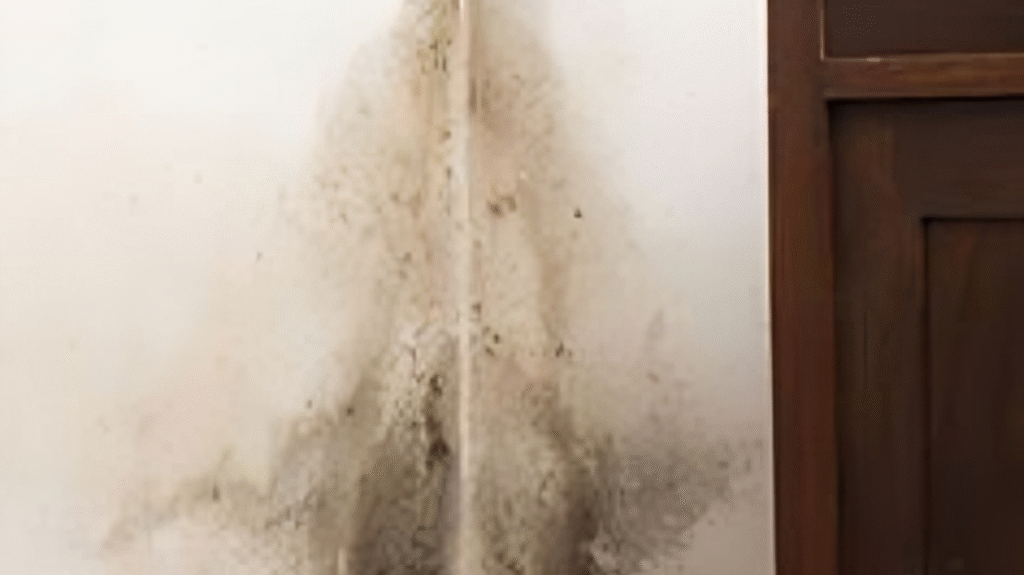
Water always moves downhill. Your basement is the lowest part of your home, so that is where it goes. You can patch a crack. You can run a dehumidifier. You can keep a wet vac next to the stairs. But if the water around your foundation has no way to leave, it will keep finding a way in.
That is the job of basement drainage. It gives water a path away from your home, so it never gets the chance to reach your floor. In this guide, we explain how basement drainage works, the main types of systems, and how to choose the right one for your NYC home.
Where Is the Water Coming From?
Water follows the easiest path. Around your home, that path often leads straight to the foundation.
Here are the most common causes in NYC:
- Heavy rain. Fast downpours soak the soil quicker than it can drain.
- A high water table. Areas close to the water, like parts of Brooklyn and Queens, often have wet ground year-round.
- Hydrostatic pressure. When the soil around your foundation fills with water, it pushes against the walls and floor. Water then squeezes through cracks and joints.
- Old foundations. Many NYC rowhouses and brownstones have stone, brick, or block walls. These can let water through, especially at the mortar lines. Repairing worn mortar with brick masonry or stone masonry can help close these gaps.
- Poor surface grading. If the ground slopes toward your house, water runs toward it.
- Clogged gutters and downspouts. Water that pours next to your wall ends up in your basement. Working gutter services keep that water moving away.
How a Basement Drainage System Works
A basement drainage system collects water before it can rise into your living space. Then it moves that water away from your home.
Most systems have three parts:
- A collection path, such as drain tile or a trench drain
- A low spot to gather the water, usually a sump pit
- A way out, such as a sump pump and discharge line
If one of these parts is missing or broken, the whole system can fail.
Interior vs. Exterior Basement Drainage: The Quick Answer

Basement drainage systems fall into two groups. The difference is where the work is done.
- Interior drainage is installed inside your basement, along the floor edge.
- Exterior drainage is installed outside your home, around the foundation and in the yard.
| System | Interior or Exterior? |
|---|---|
| Interior drain tile (perimeter drain) | Interior |
| Sump pit and sump pump | Interior |
| Interior French drain | Interior |
| Interior wall moisture barrier | Interior |
| Exterior drain tile (footing drain) | Exterior |
| Exterior French drain | Exterior |
| Exterior waterproofing membrane | Exterior |
| Gutters, downspout extensions, and yard grading | Exterior |
Now let’s look at each group.
Interior Basement Drainage Systems
Interior systems catch water that has reached your foundation and move it out. They are the most common fix for existing homes, because they don’t need digging around the outside of the house. They are also a core part of professional basement waterproofing.
Interior drain tile (perimeter drain)
A channel is cut along the inside edge of the basement floor. A perforated pipe, called drain tile, is placed in it and covered with gravel. Water that reaches the floor edge drops into the pipe and flows to the sump pit.
Good for: Water seeping in where the floor meets the wall, and homes where digging outside is hard.
Sump pit and sump pump
The sump pit is a low basin set into the floor. The sump pump sits inside it and pushes water out through a discharge line when the level rises. This is the “engine” of most interior systems. A battery backup is a smart add-on, since storms often cause power cuts right when you need the pump most.
Good for: Nearly every home that gets groundwater.
Interior French drain
This is a gravel-filled trench with a perforated pipe, placed under the basement floor in spots where water collects. It sends the water to the sump pit.
Good for: One wet corner or a short stretch of wall, rather than the whole basement.
Interior wall moisture barrier
A membrane or panel system is fixed to the inside of the wall. It guides water running down the wall into the drain tile at the floor edge. It does not stop water from entering the wall. It controls where that water goes.
Good for: Damp block or stone walls, used together with interior drain tile.
Keep in mind: Interior drainage manages water that has already reached your foundation. It does not stop water from pressing on the outside of the wall.
Exterior Basement Drainage Systems
Exterior systems stop water before it touches your foundation. They give better protection, but they cost more and involve more work. This type of work is closely tied to foundation waterproofing.
Exterior drain tile (footing drain)
Crews dig down along the outside of the foundation to the footing. They lay a perforated pipe, cover it with gravel, and carry the water to a safe exit point or a sump pit.
Good for: Serious, repeated leaks.
Exterior French drain
A gravel-filled trench with a perforated pipe, placed in the yard or side passage. It pulls water away from the house before it reaches the wall.
Good for: Yards or side passages where water collects and runs toward the house.
Exterior waterproofing membrane
When the wall is dug out, crews can clean it, repair cracks, and apply a waterproof coating or membrane. This blocks water from passing through the wall. Concrete walls may also need concrete waterproofing.
Good for: Homes where the walls also need repair.
Gutters, downspout extensions, and grading
These are the simplest exterior fixes. Clear gutters, downspouts that end well away from the wall, and soil that slopes away from the house all cut down the water near your foundation.
Good for: Every home. Do this first, even if you need a bigger system later.
Keep in mind: In dense areas like Brooklyn, Queens, and the Bronx, tight lots, sidewalks, and shared walls can make exterior work harder and more costly.
A Quick Note on Sump Pumps
A sump pump is part of an interior system, because the pit and pump sit inside the basement. Some exterior systems also send water to a sump pit when it can’t drain away by gravity. So you may see both working together.
Which One Do You Need?
Use this as a rough guide.
| What you see | What it may point to |
|---|---|
| Water along the edge where the floor meets the wall | Interior drain tile and a sump pump |
| Damp spots or white powder on walls | Wall moisture, which may need an interior barrier or exterior sealing, plus drainage |
| Puddles only after very heavy rain | Poor surface drainage or a pump that is too small |
| Water coming up from a floor drain | A sewer backup, not groundwater (see below) |
| A musty smell with no visible water | Humidity or hidden moisture |
A pro should confirm the cause before you spend money. Treating the wrong problem is the most costly mistake.
Groundwater vs. Sewer Backup
This one matters in New York. Some basements flood because of the city’s sewer system, not the ground.
During very heavy storms, sewers can fill up and push water back into homes through floor drains, sinks, or toilets. That water can be dirty and unsafe.
A drain tile system will not fix this. The usual fix is a backwater valve on the sewer line, which stops water from flowing the wrong way. If your basement floods through the floor drain, ask a plumber about this.
Common Mistakes to Avoid
- Fixing the inside only when the outside is the problem. Check gutters, downspouts, and grading first.
- Skipping the backup pump. Pumps fail at the worst time.
- Aiming the discharge line badly. Water that drains right back to your foundation, or onto a sidewalk where it can freeze, creates new problems. Check local rules before you set the outlet.
- Using paint or sealer alone. Coatings cannot stop water that is pushing from behind the wall.
- Waiting. Small leaks grow, and mold can start fast in damp spaces.
How to Pick the Right Basement Drainage System
Ask these four questions:
- Where is the water coming from? Walls, floor, or drains?
- How bad is it? A little dampness and repeated flooding need different fixes.
- What does your property allow? Space, access, and neighbors affect whether exterior work is possible.
- Will it still work in ten years? Choose a system with a strong pump, a backup, and easy access for cleaning.
Often, the best answer is a mix: interior drainage, a sump pump with battery backup, plus better gutters and grading outside.
Keeping Your Drainage Working
A system only helps if it works when the storm hits. A few simple habits go a long way:
- Test your sump pump every few months by pouring water into the pit.
- Clear gutters in spring and fall, and make sure downspouts end well away from the wall.
- Keep the area around the pit clean and free of stored items.
- Check that the discharge line is not blocked or frozen in winter.
- Look for new cracks, damp spots, or musty smells after big storms.
If your home has a crawl space instead of a full basement, crawlspace encapsulation helps control moisture there too.
Frequently Asked Questions about Basement Drainage
What is the difference between interior and exterior basement drainage?
Interior drainage is installed inside the basement and catches water that has reached the foundation. Exterior drainage is installed outside the home and stops water before it touches the wall.
How long does a basement drainage system last?
It depends on the materials, soil, and how well you maintain it. Pipes and gravel can last many years. Sump pumps wear out sooner, so plan to replace them every so often.
Can I install basement drainage myself?
Small jobs like fixing gutters or grading are doable. Cutting a floor, setting drain tile, and sizing a pump are best left to a professional, since mistakes are costly to undo.
Will drain tile clog over time?
It can, if silt or roots get in. A good installation uses gravel and filter fabric to slow this down, and having cleanout points makes future care easier.
Do I need a permit?
Some work may need one, especially digging outside or changing plumbing connections. A licensed contractor can tell you what applies to your property.
Does basement drainage add value to my home?
A dry basement is usable space, and buyers and inspectors look closely for water signs. A documented, working system can help ease their worries.
Final Thoughts
Basement drainage has one simple goal: give water an easy way out so it never has to come in. Interior systems catch water at the floor edge. Exterior systems keep it away from the wall. The right choice depends on where the water comes from, how your home was built, and what your lot allows.
If your basement is damp, flooding, or just smells off, don’t wait for the next big storm. Have a qualified contractor find the real cause first, then choose the system that fits.
Need Help With Basement Drainage in NYC?
Liberty General Contracting helps homeowners across Manhattan, Brooklyn, Queens, the Bronx, Staten Island, Long Island, and Westchester County. Our licensed team will find where the water is coming from and recommend a fix that fits your home.
Call us at (347) 682-9840, available 24/7 for emergencies, or get a free estimate online. You can also see our full list of waterproofing services and areas we serve.
Contact Liberty GCNY
Website: www.libertygcny.com
Phone: (347) 682-9840
Serving: Manhattan, Brooklyn, Queens, The Bronx, Westchester County, and Long Island.
Address: 251 N Regent St, Port Chester, NY 10573, United States
Need Help with Your Next Project? Call Liberty GCNY Today!
Fast responses. Expert advice. Trusted service across NYC and beyond.