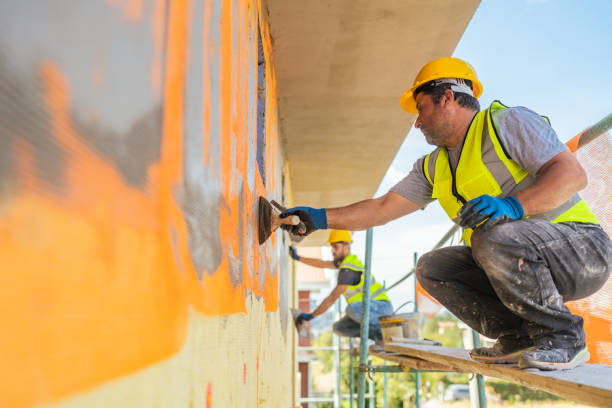
Introduction: What Is Commercial Renovation?
A commercial renovation is the process of improving, updating, or transforming a business property to make it more functional, attractive, safe, and efficient. It can include small updates like new flooring and lighting or larger projects involving layout changes, electrical upgrades, plumbing improvements, and complete interior transformations.
Businesses often choose renovation when their current space no longer supports their needs. An outdated office may reduce employee productivity, an old retail store may fail to attract customers, or a poorly designed workspace may limit business growth.
Unlike residential projects, commercial remodeling service requires careful planning because businesses must consider customers, employees, safety rules, permits, budgets, and daily operations. A successful project improves the space without creating unnecessary disruption.
Whether you are upgrading an office, restaurant, retail store, medical facility, or other commercial property, the right renovation strategy can increase property value, improve workflow, and create a better experience for everyone who uses the space.
What Is Included in a Commercial Renovation?
Commercial renovation can involve many different improvements depending on the condition of the building and the goals of the business owner.
Some projects focus on appearance, while others address functionality, safety, or outdated systems. A complete renovation plan usually looks at both visible features and hidden building components.

Common commercial renovation services include:
- Interior layout changes
- Office remodeling
- Retail space upgrades
- Flooring replacement
- Painting and wall improvements
- Lighting upgrades
- Bathroom renovations
- Kitchen and breakroom improvements
- Plumbing updates
- Electrical system upgrades
- HVAC improvements
- Accessibility improvements
- Exterior improvements
- Energy-efficient upgrades
A renovation project does not always mean rebuilding an entire property. Sometimes, targeted improvements can make a major difference in how a space looks and performs.
For example, replacing outdated lighting, improving customer areas, creating better storage, or changing an inefficient layout can completely improve the way people experience a business.
Why Do Businesses Invest in Commercial Renovation?
A commercial space represents a company’s brand. Customers, employees, and visitors often form opinions about a business based on the condition and design of its property.
An outdated or poorly maintained building can create the wrong impression. On the other hand, a modern and well-planned space can improve comfort, productivity, and customer trust.
Here are some common reasons businesses choose renovation:
1. Improve Business Appearance
First impressions matter. A clean, modern, and organized commercial space can make customers feel more comfortable and confident.
A renovated lobby, updated showroom, or improved office environment can help businesses create a stronger professional image.
Examples include:
- A retail store creating a better shopping experience
- A restaurant improving dining areas
- An office upgrading meeting spaces
- A clinic creating a cleaner and more welcoming environment
2. Increase Employee Productivity
The design of a workplace affects how employees perform.
Old layouts, poor lighting, limited workspace, and uncomfortable areas can reduce efficiency. A commercial renovation can create a better environment by adding:
- More functional work areas
- Better lighting
- Comfortable employee spaces
- Improved technology setup
- Better organization
A well-designed workplace helps employees work more comfortably and efficiently.
3. Increase Property Value
Commercial properties are long-term investments. Regular improvements help maintain and increase their value.
A renovated property can become more attractive to:
- Potential buyers
- New tenants
- Customers
- Investors
Modern upgrades can also reduce future maintenance costs by replacing outdated systems before major problems occur.
4. Improve Energy Efficiency
Many older commercial buildings use outdated systems that consume more energy.
Renovation provides an opportunity to install:
- Energy-efficient lighting
- Better insulation
- Modern HVAC systems
- Water-saving fixtures
- Smart building technology
These improvements can lower operating costs and create a more sustainable property.
Types of Commercial Renovation Projects
Commercial renovation looks different for every business. The needs of an office building are different from a restaurant, retail store, or healthcare facility.
Below are some common renovation projects.
Office Renovation
Office renovation focuses on creating a workspace that supports employees and business operations.
Common office improvements include:
- Open workspace designs
- Private meeting rooms
- Updated conference areas
- Modern reception areas
- Improved lighting
- Employee lounges
- Technology upgrades
Many businesses renovate offices to support changing work styles and create a more comfortable environment.
Retail Space Renovation
Retail renovation focuses on improving customer experience and increasing sales opportunities.
A successful retail renovation may include:
- Better product displays
- Improved customer flow
- Updated flooring
- Modern lighting
- New checkout areas
- Improved storage spaces
A well-designed retail environment helps customers move comfortably through the store and interact with products more easily.
Restaurant Renovation
Restaurants require careful planning because appearance and functionality are equally important.
A restaurant renovation may include:
- Dining area improvements
- Kitchen upgrades
- Better ventilation
- New flooring
- Updated bathrooms
- Bar improvements
- Improved seating layouts
The goal is to create a space that looks appealing while allowing staff to work efficiently.
Medical and Professional Facility Renovation
Healthcare and professional spaces often require renovations to improve safety, accessibility, and comfort.
These projects may include:
- Updated waiting areas
- Private consultation rooms
- Improved accessibility
- Better lighting
- Modern finishes
- Updated plumbing and electrical systems
These renovations must balance appearance with practical requirements.

The Commercial Renovation Process
A successful commercial renovation requires more than choosing new materials and starting construction. Careful planning helps avoid delays, unexpected costs, and operational problems.
The process usually includes several important stages.
Step 1: Define Your Renovation Goals
Before starting, determine what you want to achieve.
Ask questions like:
- Why does the space need improvement?
- What problems need to be solved?
- How should the finished space function?
- What improvements are most important?
Clear goals help contractors create a realistic plan.
For example, a business may want to:
- Increase customer capacity
- Improve employee workflow
- Modernize an outdated design
- Repair aging systems
- Prepare the property for new tenants
Step 2: Evaluate the Existing Space
A professional evaluation helps identify the current condition of the building.
This may include checking:
- Electrical systems
- Plumbing
- HVAC systems
- Structural conditions
- Existing layouts
- Safety requirements
- Accessibility needs
Finding potential problems early helps prevent expensive surprises during construction.
Older buildings especially may have hidden issues behind walls, ceilings, or floors that need attention before renovation begins.
Step 3: Create a Realistic Budget
Budget planning is one of the most important parts of commercial renovation.
The total cost depends on many factors, including:
- Size of the space
- Materials selected
- Labor costs
- Design requirements
- Permit requirements
- System upgrades
- Project complexity
A renovation budget should include more than construction costs.
Additional expenses may include:
- Design services
- Permits
- Inspections
- Temporary relocation
- Equipment moving
- Cleanup
- Unexpected repairs
A clear budget helps prevent financial problems during the project.
Step 4: Develop a Detailed Renovation Plan
Once the goals and budget are clear, the next step is creating a detailed renovation plan. This stage turns ideas into a practical construction roadmap.
A good plan explains:
- What areas will be renovated
- Which materials will be used
- The expected project timeline
- Required permits and approvals
- How daily business operations will be managed
A detailed plan helps everyone involved understand their responsibilities and reduces confusion during construction.
During this stage, businesses should also think about future needs. A renovation should not only solve today’s problems but also support future growth.
For example, an office may need more meeting rooms as the company expands, or a retail store may need flexible displays that can be changed easily.
Choosing the right contractor is one of the most important decisions in any commercial renovation project.
A skilled commercial renovation contractor understands the challenges of business properties, including safety requirements, deadlines, permits, and managing construction in active workplaces.
When selecting a contractor, consider:
- Experience with similar commercial projects
- Proper licenses and insurance
- Previous project examples
- Customer reviews and references
- Communication style
- Ability to work within your budget
A reliable contractor should be able to explain the renovation process clearly and provide realistic expectations.
Before hiring, ask questions such as:
- Have you completed similar commercial projects?
- How do you handle unexpected problems?
- What is included in your estimate?
- How will you reduce disruption to my business?
- What is the expected timeline?
The lowest price is not always the best option. A contractor with experience and strong project management skills can help prevent costly mistakes.
Step 5: Get Necessary Permits and Approvals
Commercial renovation projects often require permits before construction begins.
Permits help ensure that the work meets local building codes and safety standards.
Depending on the project, permits may be needed for:
- Structural changes
- Electrical work
- Plumbing modifications
- HVAC updates
- Accessibility improvements
- Major layout changes
Skipping required approvals can create serious problems, including fines, construction delays, or issues when selling or leasing the property in the future.
Working with an experienced contractor can make the permit process easier because they understand local requirements and regulations.
Step 6: Begin the Construction Phase
Once planning, permits, and materials are ready, construction can begin.
The construction stage may involve:
- Removing outdated materials
- Preparing the space
- Installing new systems
- Updating walls and flooring
- Completing electrical and plumbing work
- Adding finishes and design elements
During this stage, communication is extremely important.
Regular updates between the business owner and contractor help identify problems early and keep the project moving forward.
For businesses that remain open during renovation, contractors may create a phased construction plan. This allows work to happen in sections while keeping important areas available.
For example:
- A restaurant may renovate one dining section at a time.
- An office may complete different floors separately.
- A retail store may update areas during slower business hours.
How Long Does a Commercial Renovation Take?
The timeline for a commercial renovation depends on the size and complexity of the project.
Small updates may take a few weeks, while large renovations can take several months or longer.
Factors that affect the timeline include:
- Building size
- Scope of work
- Permit approval times
- Material availability
- Design changes
- Weather conditions
- Unexpected repairs
A typical renovation timeline may include:
Planning and design:
Several weeks to a few months depending on project complexity.
Permitting:
Can vary based on location and project requirements.
Construction:
May range from a few weeks for smaller improvements to many months for complete renovations.
Proper planning helps prevent unnecessary delays and keeps the project organized.
How Much Does Commercial Renovation Cost?
The cost of commercial renovation varies widely because every project has different requirements.
A small update, such as repainting walls or replacing flooring, will cost much less than a complete building transformation involving structural changes and new systems.
Common factors that influence commercial renovation costs include:
Size of the Space
Larger properties usually require more:
- Materials
- Labor
- Equipment
- Construction time
A small office renovation will typically cost less than renovating an entire commercial building.
Type of Renovation
The type of improvements also affects pricing.
For example:
- Cosmetic upgrades are usually more affordable.
- Interior renovations service require more labor and materials.
- Structural renovations often require specialized professionals.
Materials and Finishes
Material choices have a major impact on the final budget.
Businesses can choose from different options for:
- Flooring
- Countertops
- Lighting
- Fixtures
- Wall finishes
- Furniture
Premium materials may increase upfront costs but can provide better durability and appearance over time.
Building Systems
Older commercial properties may need upgrades to essential systems.
These may include:
- Electrical wiring
- Plumbing
- Heating and cooling systems
- Fire safety equipment
Updating these systems can increase project costs but often improves safety and long-term efficiency.
Ways to Reduce Business Disruption During Renovation
One of the biggest concerns for businesses is maintaining operations during construction.
A well-planned commercial renovation can reduce downtime and protect revenue.
Here are some helpful strategies:
Renovate in Phases
Instead of closing the entire business, divide the project into smaller sections.
Benefits include:
- Less interruption
- Continued customer access
- Easier project management
Communicate With Customers and Employees
Let people know what changes are happening.
Clear communication helps manage expectations and reduces frustration.
Businesses can provide updates through:
- Website announcements
- Social media posts
- Email updates
- Signs at the location
Create a Temporary Workspace
If possible, create temporary areas where employees or customers can continue using essential services.
Examples:
- Temporary office stations
- Alternate entrances
- Temporary checkout areas
Work During Off Hours
Some renovations can be completed during evenings, weekends, or slower business periods.
This approach may increase scheduling flexibility and reduce customer impact.
Common Commercial Renovation Mistakes to Avoid
Even well-planned projects can face problems if important details are overlooked.
Avoid these common mistakes:
1. Not Creating a Realistic Budget
Many businesses underestimate renovation costs.
A proper budget should include possible unexpected expenses.
2. Choosing a Contractor Based Only on Price
The cheapest option may not provide the quality, experience, or reliability needed for a commercial project.
Focus on value, experience, and communication.
3. Poor Planning Before Construction
Starting without a clear plan can lead to:
- Delays
- Extra costs
- Design problems
- Material changes
Taking time to plan properly saves problems later.
4. Ignoring Future Business Needs
A renovation should support long-term goals.
Businesses should consider:
- Future growth
- Changing customer needs
- Employee requirements
- Technology upgrades
5. Failing to Consider Daily Operations
A beautiful renovation is not successful if it makes the business difficult to operate.
The design should balance appearance with functionality.
Benefits of Professional Commercial Renovation Services
Hiring experienced professionals provides several advantages.
Better Project Management

Professional contractors coordinate:
- Workers
- Materials
- Timelines
- Inspections
- Construction tasks
This keeps the project organized.
Higher Quality Results
Experienced teams understand proper construction methods and can help choose materials that match the building’s needs.
Improved Safety
Commercial properties must follow strict safety standards.
Professionals understand requirements related to:
- Building codes
- Accessibility
- Electrical safety
- Fire protection
Long-Term Savings
Quality renovation work reduces future repair needs and improves building efficiency.
Investing in proper upgrades can save money over time.
Commercial Renovation Trends for Modern Businesses
Business spaces continue to change as customer expectations and workplace needs evolve.
Some popular renovation trends include:
Flexible Spaces
Businesses are creating spaces that can serve multiple purposes.
Examples:
- Adjustable office layouts
- Multi-use meeting rooms
- Flexible retail displays
Sustainable Improvements
Many companies are choosing environmentally friendly upgrades.
Popular options include:
- Energy-efficient lighting
- Sustainable materials
- Water-saving fixtures
- Improved insulation
Technology Integration
Modern commercial spaces often include:
- Smart lighting systems
- Improved internet infrastructure
- Automated controls
- Digital customer solutions
Comfortable and Welcoming Designs
Businesses are focusing on spaces that feel comfortable and inviting.
This includes:
- Natural lighting
- Better layouts
- Comfortable furniture
- Attractive finishes
Frequently Asked Questions About Commercial Renovation
What is the purpose of commercial renovation?
The purpose of commercial renovation is to improve a business property’s appearance, functionality, safety, and efficiency. Renovations can help businesses create better spaces for employees and customers.
How long does a commercial renovation take?
The timeline depends on the size and complexity of the project. Small updates may take weeks, while larger renovations may require several months.
How much does commercial renovation cost?
The cost depends on factors such as building size, materials, labor, design requirements, and system upgrades. A contractor can provide a more accurate estimate after evaluating the property.
Should a business close during renovation?
Not always. Many businesses continue operating by using phased construction, temporary spaces, or scheduling work during non-business hours.
How do I choose a commercial renovation contractor?
Look for a contractor with commercial experience, proper credentials, strong reviews, clear communication, and a history of completing similar projects successfully.
Final Thoughts
A successful commercial renovation does more than improve the appearance of a building. It creates a space that supports business goals, improves customer experiences, and provides a better environment for employees.
Whether you are updating an office, renovating a retail store, improving a restaurant, or transforming another commercial property, careful planning and skilled workmanship are the keys to achieving long-lasting results.
At Liberty General Contracting, we help businesses bring their renovation ideas to life with reliable commercial construction and renovation services. Our experienced team focuses on understanding your goals, creating practical solutions, and delivering quality work that fits your needs and budget.
Contact Liberty GCNY
Website: www.libertygcny.com
Phone: (347) 682-9840
Serving: Manhattan, Brooklyn, Queens, The Bronx, Westchester County, and Long Island.
Address:110-14 178th St, Jamaica, NY