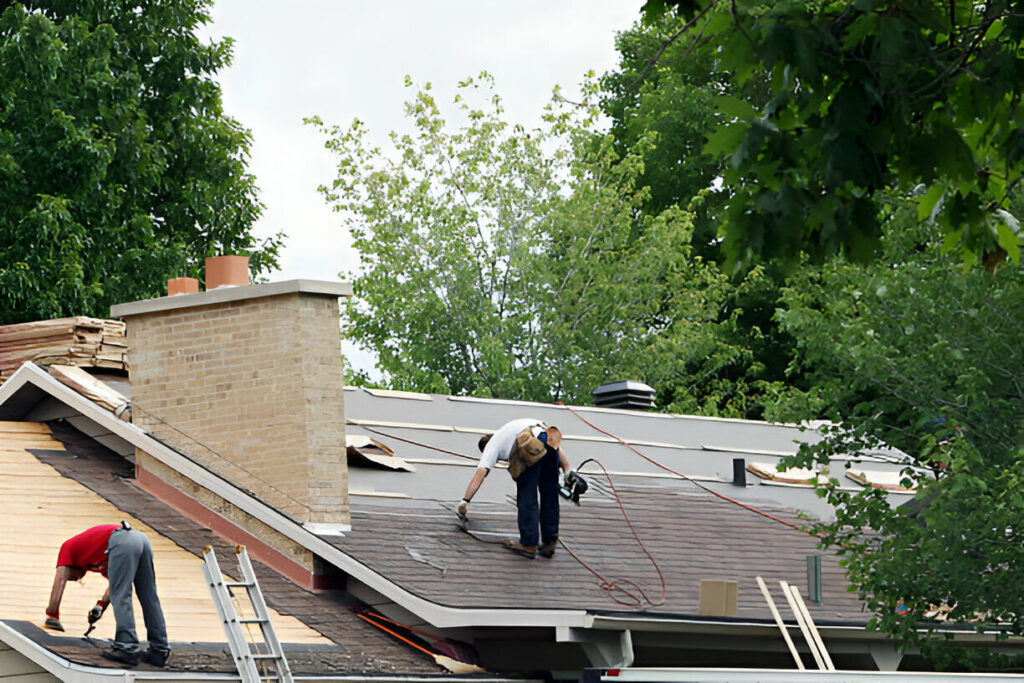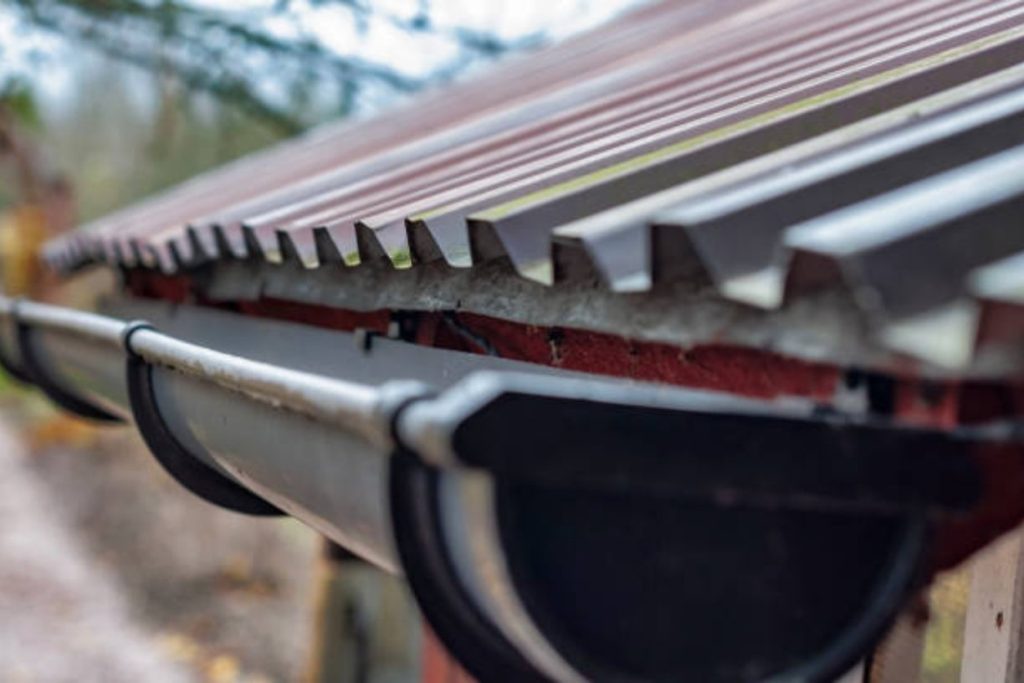
A commercial roof is one of the most valuable assets of any building, whether it is an office, warehouse, school, hospital, restaurant, or shopping plaza. It protects your business, employees, equipment, inventory, and customers from weather damage. But over time, roofs face issues like leaks, cracks, structural damage, and drainage problems. This is why commercial roof inspection is extremely important for every business owner.
In this friendly and easy-to-understand guide, you will learn what a commercial roof inspection is, why it matters, how often to do it, what inspectors look for, the inspection process, common issues found, maintenance tips, and when to call a roofing professional.
What Is a Commercial Roof Inspection?
A commercial roof inspection is a detailed checkup of a commercial building’s roof to assess its condition, identify damage, and detect hidden problems before they become costly repairs. The inspection is performed by a trained roofing expert to ensure the roof stays strong, safe, and long-lasting.
During the inspection, the roofer examines the structure, surface material, drainage system, safety features, and more to identify cracks, leaks, mold, weak areas, and signs of aging.
Why Commercial Roof Inspection Is Important
Many business owners ignore roof inspection until water starts dripping from the ceiling. But waiting too long increases repair costs and can interrupt business operations. Here’s why regular commercial roof inspection matters:
- Prevents Costly Repairs
Small roof problems become big and expensive if ignored. Regular inspections detect issues early, saving you money.
- Protects the Building from Water Damage
Roof leaks can damage walls, furniture, electronics, inventory, machinery, and important documents. Inspection helps prevent water leakage.
- Extends Roof Lifespan
A well-maintained commercial roof lasts longer. Regular inspections keep the roof in good shape for many years.
- Keeps Your Business Safe and Operational
A damaged roof can cause safety hazards and force you to temporarily close your business. Inspection prevents business interruptions.
- Helps with Insurance Claims
If a storm or accident damages your roof, inspection records prove the roof was maintained. This helps in getting insurance claims approved faster.
- Increases Property Value
A strong and well-maintained roof increases the value of the commercial building and attracts more tenants or buyers.
How Often Should You Schedule a Commercial Roof Inspection?
To understand how often to inspect a commercial roof, consider the following simple guidelines:
- At least twice a year – once before summer and once before winte
- After heavy storms, strong winds, or snowfall
- Before buying or selling a commercial building
- If you notice any leaks, cracks, or water stains
Regular inspections prevent emergencies and surprise expenses.
Types of Commercial Roofs and Why They Need Inspection
Different commercial roofs require different care. Here are the most common roof types:
| Roof Type | Features and Why Inspection Is Needed |
| Flat Roof | Most common in commercial buildings; needs inspection for drainage and water pooling |
| Metal Roof | Strong and durable, but needs inspections for rust, loose panels, and holes |
| TPO / PVC Roof | Resistant to heat, UV, and chemicals, but seams and membranes must be checked |
| EPDM Rubber Roof | Flexible and long-lasting, but may develop tears or punctures |
| Built-Up Roofing (BUR) | Multi-layered and strong, but can crack or blister if not inspected |
No matter the type, every commercial roof requires routine inspection to maintain performance.
What Do Professionals Check During a Commercial Roof Inspection?
A professional roofer inspects several key elements of your roof. Here is a breakdown of what they look for:
- Roof Surface Condition
Checking for cracks, holes, bubbles, blisters, soft spots, and signs of aging or damage.
- Water Drainage System
Inspecting gutters, downspouts, drains, and slopes to ensure water flows properly and does not pool on the roof.
- Flashing and Seals
Examining flashing around vents, edges, pipes, chimneys, and skylights to ensure they are sealed tightly.
- Signs of Leaks and Moisture
Checking ceilings, insulation, and roofing materials for dampness, mold, or soft spots that signal water entry.
- Roof Cleanliness and Debris
Removing leaves, dirt, trash, and objects that block drainage or damage roofing material.
- Structural Support
Inspecting beams, joints, and roof strength to ensure the building structure is safe.
- Safety Equipment and Compliance
Ensuring the roof meets safety codes, especially for industries that require rooftop HVAC, electrical units, or solar panels.
Step-By-Step Process of a Commercial Roof Inspection
Here is the simple and clear process professionals follow:
1. Initial Consultation and Roof Walkthrough
The inspector meets with the building owner or manager to understand any issues, complaints, or visible signs of damage.
2. Exterior Inspection
The roofer examines the roof from outside, checking for visible damage, cracks, blocked drains, or weak areas.
3. Interior Inspection
Ceilings, walls, and attic spaces are checked for wet stains, watermarks, mold, or leakage signs.
4. Roof Surface and Material Check
The materials, joints, seams, and edges are inspected closely to detect early damage.
5. Testing Drainage System
Gutters, drains, and downspouts are checked to ensure smooth water flow.
6. Photographs and Report Preparation
The inspector writes a detailed report with photos, findings, and recommended solutions.
7. Repair or Maintenance Recommendations
Suggestions are provided for minor repairs, maintenance, or a complete replacement if needed.
Common Problems Found During Commercial Roof Inspections
Here are issues that roofers often find while inspecting commercial roofs:
- Standing or pooling water on the roof
- Cracked or damaged roofing material
- Rust, corrosion, or loose metal panels
- Blocked gutters and drains
- Mold or water stains on ceilings
- Torn membranes or loose seams
- Damage caused by birds, rodents, or insects
- Impact damage from branches or flying objects
- UV sun damage and roof aging
Finding these issues early prevents emergencies.
When Should You Call a Professional Roofer?
You should contact a commercial roofing expert when:
- You see visible leaks or stains
- There is sagging or soft spots on the roof
- After storms or extreme weather
- Roof is older than 10–15 years
- Occupants complain of humidity, mold, or odors
Experts use proper tools, training, and safety equipment to inspect and fix commercial roofs efficiently.
Simple Tips to Maintain Your Commercial Roof
To extend your roof’s life and reduce inspection issues:
- Keep the roof clean and remove debris
- Schedule inspections twice a year
- Maintain gutters and drainage systems
- Trim nearby trees to prevent damage
- Repair small problems quickly before they grow
Small care leads to long-term savings.
Final Thoughts
A commercial roof inspection is one of the best investments for protecting your property, business operations, and building structure. Regular inspections prevent leaks, save money, and extend the roof’s life. Whether your building is small or large, routine inspections and proper maintenance keep the roof strong, safe, and efficient all year round.
Contact Liberty GCNY
Website: www.libertygcny.com
Phone: (347) 682-9840
Serving: Manhattan, Brooklyn, Queens, The Bronx, Westchester County, and Long Island.
Address:110-14 178th St, Jamaica, NY
Need Help with Your Next Project? Call Liberty GCNY Today!
Fast responses. Expert advice. Trusted service across NYC and beyond.