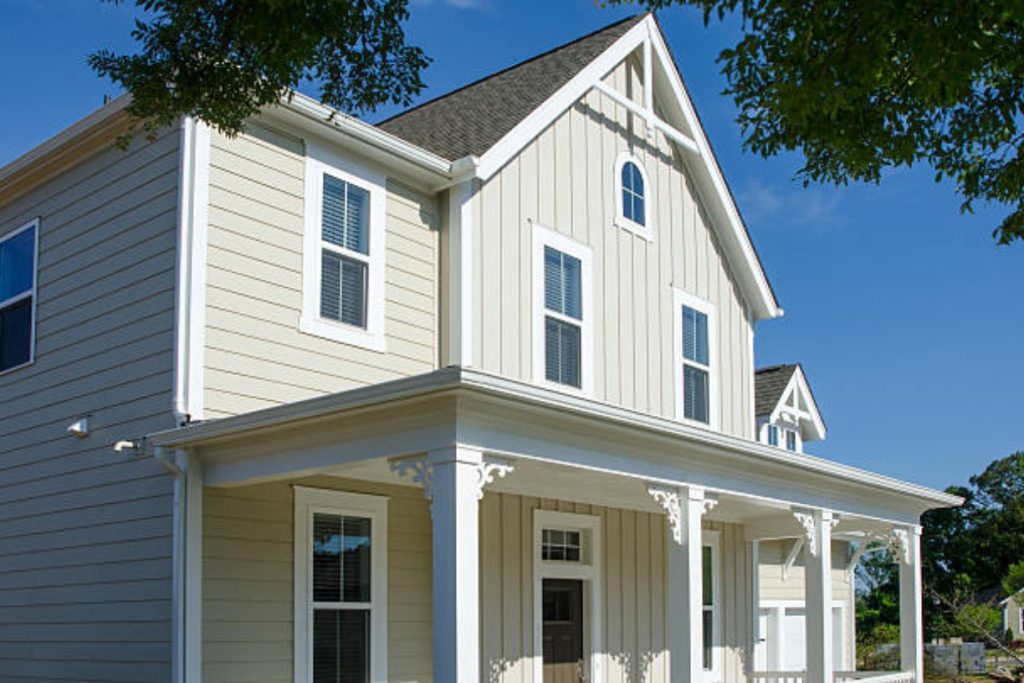
When planning a house exterior upgrade, one option that many homeowners consider today is engineered wood siding. It is popular because it gives the warm, natural look of real wood, but with better durability and less maintenance. If you like the beauty of wood but want a strong, long-lasting, and budget-friendly option, engineered wood siding can be a great choice.
This guide will explain everything in a simple, humanized way so you can understand what engineered wood siding is, its benefits, costs, maintenance needs, installation, and how it compares with other siding materials.
What is Engineered Wood Siding?
Engineered wood siding is a man-made siding material designed to look like natural wood but created using a mixture of:
- Real wood fibers or strands
- Wax and resin binders
- Special chemicals for durability
- A protective outer coating
These elements are compressed under high pressure to form durable boards that look like real wood planks. The final surface is finished with a coating that protects against moisture, pests, and weather.
Simple Meaning:
It looks like real wooden siding but is stronger, more affordable, and lasts longer because it is engineered to resist common problems like termites, rotting, and cracking.
Why Homeowners Choose Engineered Wood Siding
People choose this siding because it solves the biggest problem of traditional wood: maintenance and durability. With engineered wood siding, you get the wood look you love, without spending too much time or money on repairs.
Here are the main reasons why it has become a top choice:
| Reason | Why It Matters |
| Natural wood look | Beautiful appearance with real wood texture |
| Budget-friendly | Cheaper than real wood and fiber cement |
| Easy maintenance | Requires less care than natural wood |
| Long lifespan | Can last 25–50 years if maintained properly |
| Weather resistant | Handles rain, heat, and cold very well |
How Engineered Wood Siding is Made
Understanding the process helps explain why it is strong and long-lasting.
- Wood fibers or strands are collected
These may come from wood chips, sawdust, or small logs. - The fibers are mixed with resins, wax, and binders
These materials help prevent water damage and add strength. - The mixture is compressed under high heat and pressure
This forms strong boards that are more stable than raw wood. - A protective topcoat is applied
This protects against insects, rot, moisture, and UV rays. - Boards are shaped and textured
They are designed to look like traditional wood grain for a natural look.
Types of Engineered Wood Siding
Engineered wood siding comes in different styles so you can choose the one that matches your home design.
1. Lap Siding
This is the most common type. Boards overlap each other, creating a beautiful layered look. It suits both modern and traditional houses.
2. Panel Siding
Large panels are used to cover bigger areas quickly. It gives a clean and modern finish and is faster to install.
3. Shingle or Shake Siding
Designed to look like small wooden shingles, this gives a classic and rustic exterior charm.
4. Board-and-Batten
Vertical boards with narrow strips placed between them. It offers a farmhouse-style look, which is very trendy today.
Top Advantages of Engineered Wood Siding
Let’s break down the main benefits in simple terms.
1. Looks Like Real Wood
Engineered wood siding is created to perfectly imitate the natural grain of wood, giving the home a classic, warm, and premium appearance.
2. Cost-Effective
It costs less than natural wood and fiber cement siding, making it a budget-friendly choice for homeowners who want beauty and durability at a lower price.
3. Easy and Faster to Install
This siding is lighter in weight, which makes installation simpler. Contractors require less time to install it, which also lowers labor costs.
4. Moisture and Weather Resistant
It is designed to handle moisture, intense sunlight, rain, snow, and temperature changes better than natural wood.
5. Resistant to Insects and Pests
Engineered wood is treated to stay safe from termites and other wood-damaging insects.
6. Low Maintenance
Unlike natural wood, it does not need frequent sanding, staining, or repainting. Basic cleaning and occasional repainting keep it looking fresh.
7. Long Lifespan
With proper care, engineered wood siding can last 25 to 50 years, making it a long-term investment for your home.
Some Disadvantages to Know
No siding material is perfect. Before choosing engineered wood siding, here are a few things to keep in mind:
| Disadvantage | Explanation |
| Needs repainting after some years | To maintain appearance and weather protection |
| Can absorb moisture if damaged | Proper sealing is important |
| Not as long-lasting as brick or stone | But still offers great durability for the price |
Cost of Engineered Wood Siding
The total cost usually depends on:
- Brand
- Style and design
- Size of your home
- Installation labor
On average:
| Type of Cost | Price Range |
| Material cost | $3 to $8 per sq. ft. |
| Installation cost | $2 to $6 per sq. ft. |
| Total Installed Cost | $5 to $14 per sq. ft. |
So, for an average house of 1,500 sq. ft. exterior area, the estimated total investment may be:
$7,500 to $21,000
Installation Process (Simple Steps)
Here is a clear, simple overview of how engineered wood siding is usually installed:
- Old siding (if any) is removed
- A weather-resistant barrier is applied
- Starter strips and trim boards are installed
- Engineered wood boards are placed and secured
- Seams, corners, and joints are sealed properly
- Final coating or paint is applied if required
Maintenance Tips for Engineered Wood Siding
Maintaining it is simple. Follow these tips to keep it in good condition:
- Clean with a soft brush and mild soap once a year
- Check for cracks or chips and repair quickly
- Repaint every 7–10 years (if needed)
- Keep plants and sprinklers away from the siding
- Ensure gutters and drainage systems work properly
Good care = longer life + attractive appearance!
🔍 Engineered Wood vs. Other Siding Materials
| Feature | Engineered Wood | Natural Wood | Vinyl | Fiber Cement |
| Looks like wood | Yes | Yes | No | Yes |
| Cost | Moderate | High | Low | Medium–High |
| Maintenance | Low | High | Very Low | Medium |
| Durability | High | Medium | Medium | Very High |
| Pest Resistant | Yes | No | Yes | Yes |
Best Places to Use Engineered Wood Siding
Engineered wood siding suits many house designs and locations. It is ideal for:
- Residential homes
- Farmhouses and cottage-style homes
- Modern and traditional exteriors
- Renovations or new construction
Is Engineered Wood Siding Eco-Friendly?
Yes, it is considered more environmentally friendly than natural wood because:
- It uses recycled or leftover wood fibers
- Less timber is wasted
- Production is more efficient
- Long lifespan reduces disposal waste
Conclusion
Engineered wood siding is a great choice for homeowners who love the natural beauty of wood but want something more durable, affordable, and easier to maintain. It offers a realistic wood look, strong weather resistance, and long-lasting value. Whether you are building a new home or renovating an old one, this siding option gives a stylish, warm, and reliable appearance to your exterior.
It’s a smart balance between beauty, budget, and performance perfect for modern homeowners.
Contact Liberty GCNY
Website: www.libertygcny.com
Phone: (347) 682-9840
Serving: Manhattan, Brooklyn, Queens, The Bronx, Westchester County, and Long Island.
Address:110-14 178th St, Jamaica, NY
Need Help with Your Next Project? Call Liberty GCNY Today!
Fast responses. Expert advice. Trusted service across NYC and beyond.