Choosing the right roofing system is a very important decision for any building owner. A roof does much more than just cover your building. It protects against weather, helps control indoor temperature, and plays a big role in long-term maintenance costs. When it comes to flat or low-slope roofs, the discussion of EPDM vs TPO roofing is very common.
Both EPDM and TPO are popular roofing materials used on commercial buildings, apartments, warehouses, and even some residential properties. Each option has its own strengths, and the best choice depends on your building’s needs. In this guide, we will explain everything in simple and easy words so you can clearly understand which roofing system is better for your building.
Understanding Flat Roofing Systems
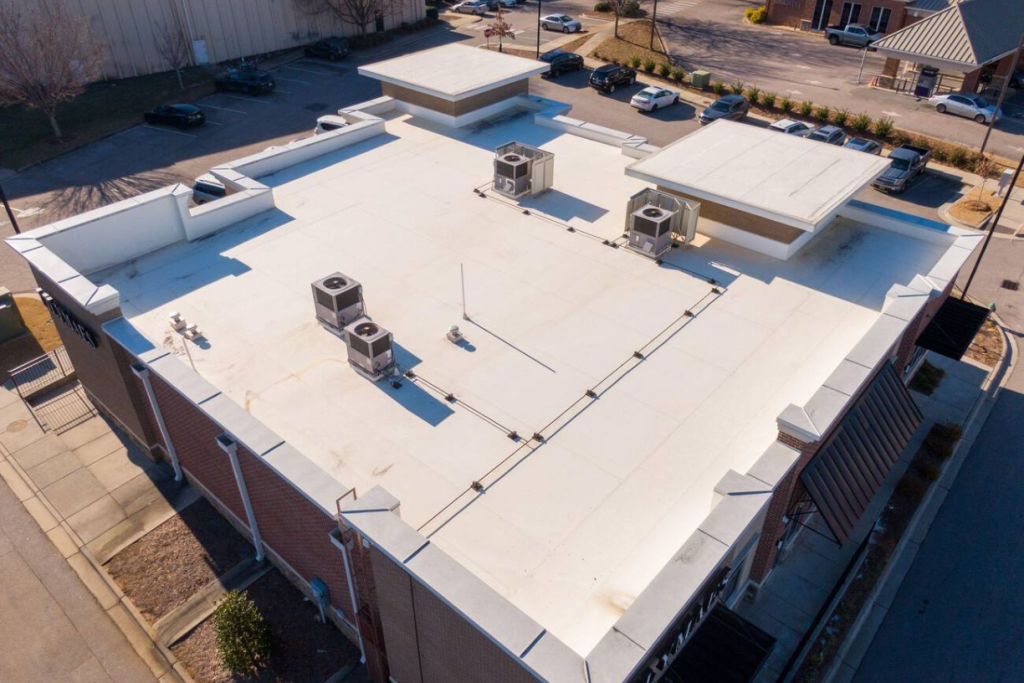
Flat roofs are designed differently than sloped roofs. Because water does not run off quickly, flat roofs need strong waterproof materials. That is why single-ply roofing systems like EPDM vs TPO are commonly used.
These roofing membranes come in large sheets and are installed to create a sealed surface. While EPDM and TPO may look similar, their material, performance, and benefits are different. Understanding these differences makes the EPDM vs TPO comparison much easier.
What Is EPDM Roofing?
EPDM is a synthetic rubber roofing material that has been used for many years. It is well known for its flexibility, strength, and long lifespan. EPDM roofing performs well in different climates and can handle both hot and cold weather.
One of the biggest advantages of EPDM is its ability to expand and contract without cracking. This makes it ideal for buildings located in areas with changing temperatures. EPDM roofs are commonly installed on commercial properties because they are reliable and cost-effective.
What Is TPO Roofing?
TPO is a newer roofing material compared to EPDM, but it has become very popular in recent years. It is made from a blend of rubber and plastic, giving it strength and flexibility.
TPO roofing is usually white or light-colored. This helps reflect sunlight and reduce heat absorption. Because of this feature, TPO is considered an energy-efficient roofing option, especially for buildings in warmer climates.
EPDM vs TPO: Material Differences
The main difference between EPDM and TPO lies in the material itself. EPDM is a rubber membrane, while TPO is a thermoplastic material. This difference affects how each roof performs over time.
EPDM is soft and flexible, which helps it resist cracking. TPO is more rigid but creates very strong seams through heat welding. Both materials are designed to protect flat roofs, but they do so in different ways.
Durability and Lifespan Comparison
Durability is one of the most important factors in the EPDM vs TPO debate. EPDM has a long history of proven performance. Many EPDM roofs last 25 to 30 years or even longer with proper maintenance.
TPO roofing is also durable, but it does not yet have the same long-term track record as EPDM. On average, TPO roofs last around 15 to 25 years. When installed correctly, TPO performs well, but EPDM still has the edge in proven lifespan.
Energy Efficiency: EPDM vs TPO
Energy efficiency is where TPO roofing stands out. EPDM roofs are usually black, which means they absorb heat from the sun. This can increase indoor temperatures, especially in hot climates.
TPO roofs reflect sunlight because of their light color. This helps keep buildings cooler and reduces the need for air conditioning. Over time, this can lower energy bills and improve comfort inside the building.
For buildings in sunny or warm areas, TPO is often the better choice in the EPDM vs TPO comparison.
Installation Process Explained
Installation plays a big role in roofing performance. EPDM installation is generally simple and fast. The membrane can be glued down, mechanically fastened, or installed with ballast, depending on the roof structure.
TPO installation requires heat welding to seal the seams. This process creates very strong joints but requires special equipment and skilled professionals. If not installed properly, TPO seams can fail.
Because EPDM installation is less complex, it is often quicker and more cost-effective.
Cost Comparison
Here is a simple cost comparison table for EPDM vs TPO:
| Feature | EPDM Roofing | TPO Roofing |
|---|---|---|
| Average Cost (per sq ft) | $4 – $8 | $5 – $10 |
| Lifespan | 20–30 years | 15–25 years |
| Installation | Simple, adhesive or fastened | Requires heat welding |
| Energy Efficiency | Moderate (white better) | High (reflective) |
| Maintenance | Easy to repair | Moderate (needs welding) |
| Weather Resistance | Excellent in cold climates | Excellent in hot climates |
Maintenance and Repairs
All roofing systems require maintenance, but some are easier to repair than others. EPDM roofs are easy to maintain. Small leaks or damages can be fixed with patches and adhesive without major disruption.
TPO repairs require heat welding, which must be done carefully by trained professionals. While repairs are effective, they can be more complex and time-consuming.
For simple maintenance and easy repairs, EPDM is often preferred.
EPDM vs TPO: Quick Comparison Points
Here is a simple comparison to help you decide:
- EPDM offers proven durability and a longer track record
- TPO provides better energy efficiency and heat reflection
- EPDM usually costs less upfront
- TPO can reduce cooling costs over time
- EPDM is easier to repair and maintain
These points make it easier to understand the difference between EPDM vs TPO roofing.
Which Roofing System Is Best for Your Building?
There is no single answer that fits every building. EPDM is best for property owners who want a long-lasting, flexible, and cost-effective roofing solution. It works well in cold or mixed climates and on buildings with complex roof designs.
TPO is ideal for buildings focused on energy efficiency. It is especially suitable for large commercial properties in warm climates where heat reflection is important.
The right choice depends on your building type, location, budget, and long-term goals.
Importance of Professional Roofing Services
No matter which roofing system you choose, professional installation is critical. Even the best roofing material can fail if it is installed incorrectly. Experienced roofing contractors ensure proper installation, strong seams, and long-lasting protection.
Professional services also help you choose the right material based on your building’s needs. At libertygcny expert roofing solutions focus on quality workmanship and reliable roofing systems designed to protect your building for years.
Final Thoughts on EPDM vs TPO Roofing
The comparison of EPDM vs TPO roofing comes down to durability, energy efficiency, and budget. EPDM is a trusted option with a long lifespan and lower upfront cost. TPO is a modern solution that offers energy savings and strong performance in warm climates.
Both roofing systems are excellent choices when installed by skilled professionals. Understanding your building’s requirements and working with experienced roofing experts will help you make the best decision for long-term protection and value.
Contact Liberty GCNY
Website: www.libertygcny.com
Phone: (347) 682-9840
Serving: Manhattan, Brooklyn, Queens, The Bronx, Westchester County, and Long Island.
Address:110-14 178th St, Jamaica, NY