Exterior foundation waterproofing is a proactive method to prevent water from seeping into your basement or foundation. This technique involves excavating the soil around your foundation, applying waterproof barriers, and installing drainage systems to redirect water away. While this process can be more expensive and invasive than interior waterproofing, it provides superior long-term results, especially for homes with finished basements. In this article, we’ll explore how exterior foundation waterproofing works, its benefits, the steps involved, and how it helps protect your property from costly water damage.
What is Exterior Foundation Waterproofing?
Exterior foundation waterproofing is a method used to protect the foundation walls of your home from water infiltration. Unlike interior waterproofing, which focuses on sealing cracks and preventing water from entering the basement, exterior waterproofing tackles water issues before they reach your walls. This method addresses the root cause of water problems by waterproofing the foundation from the outside and directing water away through drainage systems.
Key Features of Exterior Foundation Waterproofing:
- Prevents water from entering: Blocks water before it reaches the foundation, keeping your basement dry.
- Improves foundation stability: Reduces pressure on the walls and prevents erosion that can weaken your home’s foundation.
- Long-term solution: Unlike temporary fixes, exterior waterproofing offers lasting protection against water infiltration.
Why is Exterior Foundation Waterproofing Important?
Water infiltration into your foundation can lead to severe problems, including structural damage, mold, mildew, and even the weakening of the foundation. By addressing the issue at its source with exterior foundation waterproofing, you ensure your foundation remains strong, dry, and free from moisture damage. Here’s why exterior waterproofing is essential:
1. Prevents Water Damage
Excess moisture can weaken your foundation, causing cracks and even structural failure over time. Exterior foundation waterproofing helps prevent water from entering, protecting the integrity of your home.
2. Reduces Mold and Mildew Growth
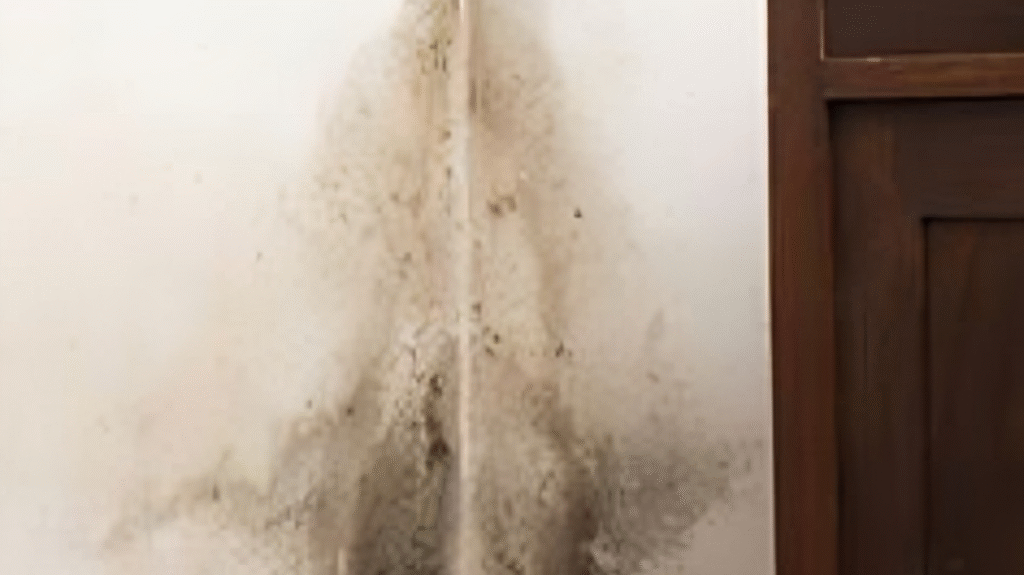
Moisture in the basement or foundation creates an ideal environment for mold and mildew to grow. These harmful substances can affect indoor air quality and lead to health issues. Waterproofing your foundation prevents moisture buildup, reducing the risk of mold growth.
3. Preserves Your Home’s Value
Water damage can reduce your property value and lead to expensive repairs. By investing in exterior foundation waterproofing, you preserve the structural integrity of your home, ensuring it remains valuable for years to come.
How Does Exterior Foundation Waterproofing Work?
The process of exterior foundation waterproofing involves several critical steps to ensure that your foundation remains protected from water infiltration. These steps include excavation, surface preparation, the application of waterproofing membranes, and drainage installation.
1. Excavation
The first step is excavating the soil around the foundation to expose the foundation walls. This is necessary to apply the waterproofing materials directly to the wall. Excavation also allows for the installation of drainage systems to direct water away from the foundation.
2. Wall Preparation
After excavation, the foundation walls are cleaned, and any cracks or imperfections are repaired. Hydraulic cement is often used to seal cracks and provide a smooth surface for the waterproofing membrane.
3. Waterproofing Membrane Application
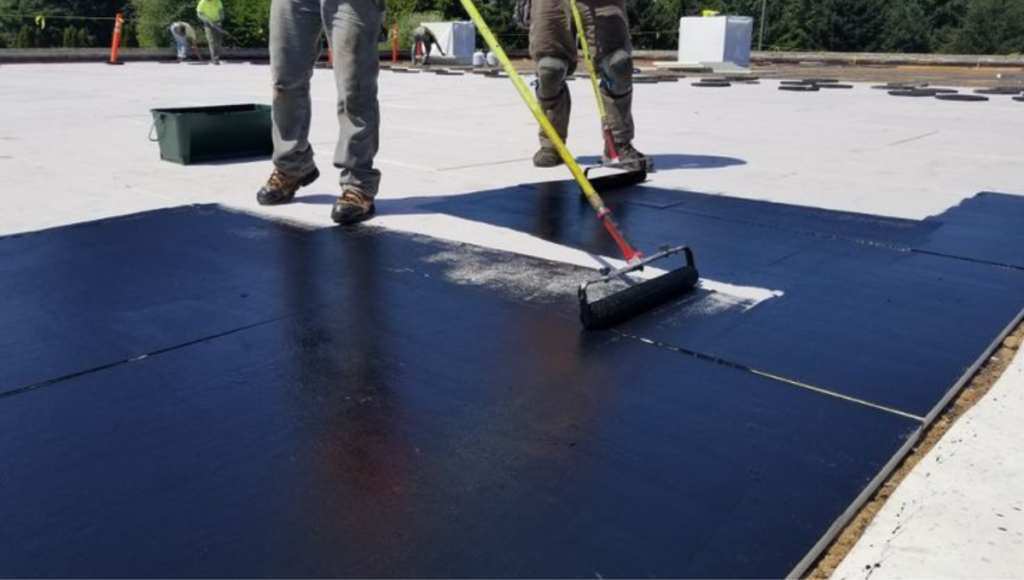
A waterproofing membrane is applied to the exterior of the foundation wall. The membrane can be liquid-applied or in sheet form, and it provides a protective layer that prevents water from seeping through the walls.
4. Drainage System Installation
To complement the waterproofing, a drainage system is installed around the foundation. This system typically includes a French drain, which is a perforated pipe that directs water away from the foundation, preventing it from pooling around the walls.
5. Backfilling
Once the waterproofing and drainage systems are in place, the trench is backfilled with soil. It’s important to backfill with proper materials and ensure the grading slopes away from the foundation to facilitate proper drainage.
Benefits of Exterior Foundation Waterproofing
Exterior foundation waterproofing provides several benefits for your home:
1. Long-Lasting Protection
By tackling the water problem at the source, exterior foundation waterproofing offers a long-term solution to prevent water damage and structural issues.
2. Enhanced Property Value
A waterproofed foundation is a selling point for potential buyers, as it assures them that the home is protected from water damage. This can improve your property’s resale value.
3. Healthier Living Environment
By preventing moisture buildup, exterior waterproofing reduces the risk of mold and mildew growth, contributing to a healthier indoor environment for you and your family.
4. Reduced Maintenance Costs
By addressing water infiltration proactively, you avoid costly repairs down the line. This can save you money in foundation repairs and water damage restoration.
Costs of Exterior Foundation Waterproofing
The cost of exterior foundation waterproofing can vary depending on several factors, including the size of the foundation, the type of waterproofing system used, and the complexity of the job. On average, homeowners can expect to pay between $3,000 and $10,000 for professional exterior waterproofing services. While this may seem like a significant investment, it can save you money in the long term by preventing water damage and costly repairs.
Common Types of Exterior Waterproofing Barriers
There are various materials and systems used for exterior foundation waterproofing. Each has its advantages depending on the specific needs of your foundation.
1. Liquid-Applied Membranes
These are flexible asphalt-modified polyurethane coatings that are applied in liquid form to the foundation walls. Once cured, they form a seamless, durable layer that blocks water infiltration.
2. Sheet Membranes
Sheet membranes are pre-formed rolls of material, such as bituminous or polymer-based products, that are applied to the foundation wall. They provide a highly durable and continuous waterproof barrier.
3. Bentonite Clay
Bentonite clay is a natural material that expands when it comes in contact with water, creating a seal against water penetration. It is commonly used in combination with other waterproofing methods for added protection.
Conclusion
Exterior foundation waterproofing is one of the most effective ways to protect your home from water damage and preserve its structural integrity. By investing in a professional waterproofing system, you not only prevent water infiltration but also enhance your home’s value and create a healthier living environment. While the initial cost of exterior foundation waterproofing may seem high, the long-term benefits far outweigh the investment, saving you from costly repairs in the future.
Contact Liberty GCNY
Website: www.libertygcny.com
Phone: (347) 682-9840
Serving: Manhattan, Brooklyn, Queens, The Bronx, Westchester County, and Long Island.
Address:110-14 178th St, Jamaica, NY
Need Help with Your Next Project? Call Liberty GCNY Today!
Fast responses. Expert advice. Trusted service across NYC and beyond.