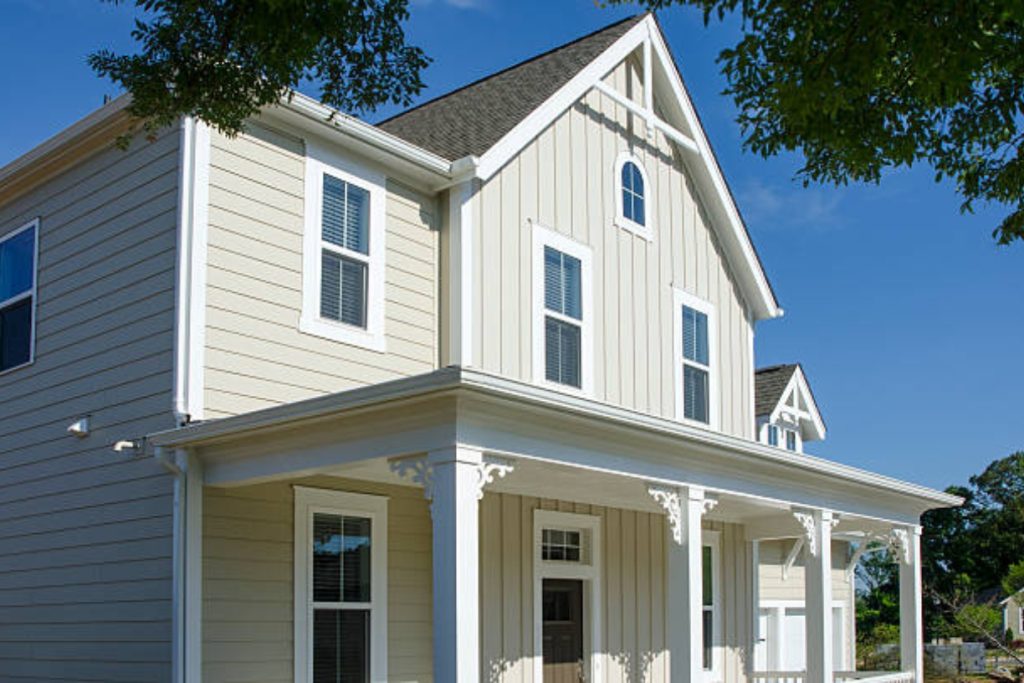
Fiber cement siding services is a popular choice for homeowners who want a durable exterior with the look of wood. However, before starting a siding replacement project, it is important to understand the fiber cement siding cost, including materials, labor, preparation, and future maintenance.

The total price depends on your home’s size, the siding style you choose, the condition of your exterior walls, and the complexity of the installation. A simple home may cost less to side than a multi-story property with many windows, decorative trim, and hard-to-reach areas.
Fiber cement siding cost more upfront than some other siding materials. Still, its durability, range of styles, and resistance to common problems such as rot and pests make it worth considering for many properties.
In this guide, we explain the average fiber cement siding cost,, the main factors that affect your budget, installation expenses, maintenance needs, and ways to plan your project.
How Much Does Fiber Cement Siding Cost?
Fiber cement siding cost vary depending on the product, location, and work required. Published estimates differ based on whether they cover materials alone or include installation.
One industry guide gives a broad installed price range of approximately $5 to $13.50 per square foot, while another estimates that the siding material alone can cost around $5 to $14 per square foot. These figures are general reference points, not a guaranteed quote for your home.
Your actual cost may fall outside these ranges because of labor rates, siding design, delivery charges, removal of old materials, and repairs to the exterior walls.
Estimated Fiber Cement Siding Costs by Project Size
The following table uses a planning range of $5 to $14 per square foot. It shows example material costs only and does not represent a complete installation estimate.
| Siding area | Estimated material cost |
|---|---|
| 1,000 sq. ft. | $5,000–$14,000 |
| 1,500 sq. ft. | $7,500–$21,000 |
| 2,000 sq. ft. | $10,000–$28,000 |
| 2,500 sq. ft. | $12,500–$35,000 |
These estimates are based on the siding area, not the home’s total interior floor space. Labor, tools, trim, flashing, disposal, and other project expenses may increase the final bill.
For a more reliable budget, ask contractors to provide a written estimate that separates materials, labor, removal, repairs, and additional charges.
What Is Fiber Cement Siding?
Fiber cement siding is an exterior building material made mainly from cement, sand, water, and cellulose fibers in home renorvation services. These ingredients form a strong material that can be shaped into different siding styles.
It is available in several designs, including horizontal planks, shingles, and large panels. Some products have a smooth finish, while others are designed to look like natural wood or other exterior materials.

Homeowners choose fiber cement for several reasons:
- Durability: Properly installed siding can provide long-lasting exterior protection.
- Design choices: Different colors, textures, and profiles suit many architectural styles.
- Resistance to pests: Fiber cement is not a food source for termites in the way wood can be.
- Resistance to rot: It does not rot like untreated wood, although moisture-related problems can still occur if the wall system is poorly designed or installed.
- Exterior appeal: It can give a home a traditional, modern, or wood-inspired appearance.
However, fiber cement is heavy and can crack or chip if it is handled incorrectly. Correct installation, suitable fasteners, proper clearances, and moisture management are important for long-term performance.
What Factors Affect Fiber Cement Siding Cost?
Two homes with similar dimensions can receive different siding estimates. The difference often comes from the building’s shape, the product selected, and the amount of preparation needed before installation.
1. Size of the Home
The total siding area is one of the biggest factors in your budget. A larger exterior usually requires more siding, fasteners, trim, and labor.
Contractors calculate the wall area rather than simply using the home’s floor area. They may measure each wall, gable, and dormer to estimate how much material the project needs.
The amount of siding required can also increase if the home has multiple exterior sections, additions, or architectural features.
2. Siding Style and Design
Fiber cement siding comes in different profiles, and each option can have a different price.
- Lap siding: Long horizontal boards create a classic exterior appearance.
- Shingle siding: Individual-looking sections provide a cottage or traditional style.
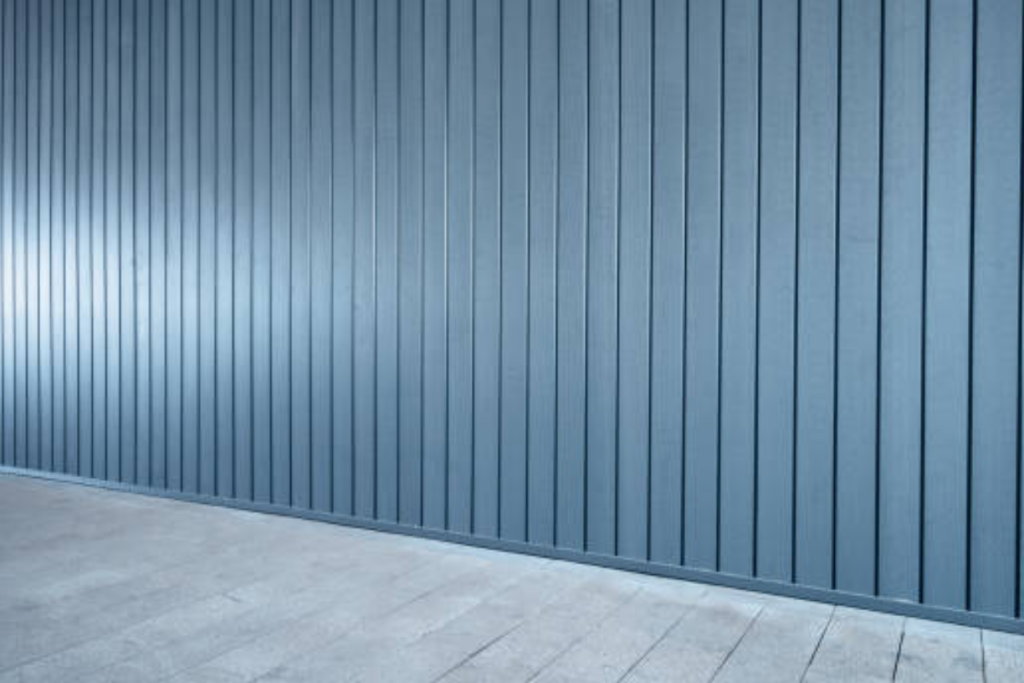
- Vertical siding: Boards or panels create a taller, more modern look.
- Architectural panels: Large panels offer a clean appearance and can suit contemporary homes.
Large architectural panels may cost more than basic plank siding, depending on the product and installation system. Decorative patterns, specialty finishes, and custom designs can also increase the total price.
3. Labor and Installation Complexity
Installation costs depend on the size of the crew, local labor rates, and the time needed to complete the job.
A straightforward home with accessible walls may be easier to work on than a property with several stories, steep rooflines, or narrow spaces around the building.
Labor expenses may increase when contractors need additional equipment, special installation systems, or more time to fit siding around windows, doors, corners, and other details.
4. Removing Old Siding
If your home already has siding, the contractor may need to remove it before installing the new material.
Removal costs depend on the existing material, how it was attached, the amount of labor required, and local disposal fees. Once the old siding is removed, the contractor may also discover damaged sheathing, wet insulation, or other hidden problems.
Ask whether the estimate includes removal and disposal. If the existing exterior contains older materials that may be hazardous, have them assessed before disturbing them.
5. Repairs and Wall Preparation
New siding should not be installed over a wall that has unresolved moisture damage or an unstable surface.
Depending on the condition of your home, preparation may involve replacing damaged sheathing, repairing framing, improving flashing, or correcting drainage issues. These tasks add to the project cost, but ignoring them can lead to bigger problems later.
A contractor should inspect the exterior and explain which repairs are necessary before finalizing the price.
6. Trim, Windows, and Doors
The edges around windows and doors require careful work to create a neat finish and help manage water.
Your project may need new corner boards, window trim, door trim, flashing, or other accessories. Homes with many windows, doors, or unusual exterior details often require more cutting and fitting, which can increase labor costs.
7. Location and Delivery
Where you live can affect material prices and labor costs. Delivery charges may also be higher when the supplier is far from your property.
Fiber cement is heavier than some alternative siding products, so transportation and handling should be included when planning the budget. Ask suppliers or contractors whether delivery, unloading, and material handling are included in the estimate.
How Much Does Fiber Cement Siding Cost while installing?
The total cost of installing fiber cement siding includes more than the boards or panels themselves. You also need to account for labor, preparation, accessories, and any additional work required to finish the exterior correctly.
A useful estimate should clearly list:
- Siding materials and the selected product line.
- Labor for installation.
- Removal and disposal of existing siding, if needed.
- House wrap or other required weather-resistant barriers.
- Flashing, fasteners, trim, and accessories.
- Repairs to damaged walls or sheathing.
- Equipment and delivery charges.
- Painting or finishing, if it is not included with the product.
Ask for these items to be listed separately where possible. This makes it easier to compare estimates from different contractors and identify services that may be missing from a lower quote.
Remember that the cheapest estimate may not offer the best value if it leaves out important preparation or finishing work.
Does Fiber Cement Siding Need Much Maintenance?
Fiber cement siding generally requires less maintenance than some wood siding products, but it is not maintenance-free. Its long-term cost depends partly on the finish, local weather, installation quality, and the care it receives.
Painting and Caulking
Some fiber cement siding cost,varies from products arrive prefinished, while others require painting after installation. Even factory-applied finishes may eventually need attention, depending on the manufacturer’s instructions and exposure to weather.
Paint can fade or wear over time. Caulking around suitable joints and openings may also need inspection and replacement when it deteriorates.
Follow the product manufacturer’s recommendations for repainting and sealing. The timing and expense will depend on the siding product and the condition of the exterior.
Cleaning and Inspections
Routine cleaning can help keep siding looking its best. Use a cleaning method approved by the manufacturer and avoid pressure or techniques that could damage the surface or force water behind the siding.
Inspect your exterior periodically for cracked boards, damaged paint, loose trim, failing caulk, and signs of moisture around windows and doors. Fixing small problems early can help prevent more expensive repairs.
Understanding the Warranty
Before purchasing siding, check the manufacturer’s warranty. Coverage may differ for the siding material, finish, and other components.
Read the warranty terms carefully and confirm whether correct installation, maintenance, or specific installation methods are required. A warranty does not necessarily cover every type of damage or every future repair.
Is Fiber Cement Siding Worth the Cost?
Fiber cement siding cost can be a worthwhile investment if you want a durable exterior and a wide choice of styles. However, whether it is the right option depends on your priorities and the total cost of ownership.
Advantages to Consider
- It offers a wide range of colors, textures, and profiles.
- It resists rot and pests better than many untreated wood products.
- It can provide long-term performance when installed correctly.
- It is suitable for both traditional and modern exterior designs.
- It can reduce the need for some types of routine repair compared with more maintenance-intensive materials.
Potential Drawbacks
- The initial price may be higher than basic vinyl siding.
- Its weight can increase handling and installation requirements.
- Boards can crack or chip during improper handling.
- Painting, caulking, and inspections may still be needed.
- Hidden wall damage can increase the project budget.
When comparing siding options, consider the upfront quote alongside maintenance, expected service life, appearance, and repair needs. A material with a lower purchase price may not always be the best match for your long-term plans.
Fiber Cement Siding vs. Other Siding Materials
Comparing materials can help you decide whether fiber cement fits your home and budget.
| Material | Main benefit | Cost consideration |
|---|---|---|
| Fiber cement | Durable material with many design options | Installation and handling can cost more |
| Vinyl | Often an affordable, low-maintenance option | Price varies by product quality and insulation |
| Natural wood | Warm, traditional appearance | May require regular painting or staining and protection from moisture |
| Engineered wood | Wood-inspired appearance | Needs proper installation and moisture protection |
| Brick veneer | Distinctive, durable exterior finish | Labor and structural details can raise project costs |

No material is the best choice for every property. Compare products based on your home’s condition, local weather, desired appearance, and the amount you are prepared to spend on maintenance.
How to Get an Accurate Fiber Cement Siding Estimate
Before agreeing to a siding project, take a few steps to make sure your estimate reflects the work your home actually needs.
- Arrange an exterior inspection. Ask the contractor to assess the existing siding, wall condition, and areas that may need repair.
- Confirm the siding product. Specify the brand, style, finish, and color so each estimate covers comparable materials.
- Check what the price includes. Confirm whether removal, disposal, trim, flashing, delivery, and finishing are included.
- Discuss possible extra costs. Ask how hidden damage or additional repairs will be priced if discovered during the work.
- Compare written estimates. Review the scope of work, materials, schedule, payment terms, and warranty details instead of comparing only the total.
- Choose an experienced contractor. Look for relevant experience, appropriate insurance, references, and a clear written agreement.
These steps can help you avoid unexpected expenses and make a more informed decision about your home’s exterior.
Frequently Asked Questions
How much does fiber cement siding cost per square foot?
Published estimates vary depending on what is included. General references range from about $5 to $14 per square foot, but one figure may cover installed siding while another covers materials only. Request a local estimate that separates material and labor costs.
Is fiber cement siding more expensive than vinyl?
Fiber cement often costs more upfront than basic vinyl siding. However, the best choice depends on the product, installation requirements, desired appearance, and future maintenance expenses.
Does fiber cement siding increase home value?
New siding can improve a home’s appearance and condition, which may support its appeal to potential buyers. The actual effect on resale value depends on the local market, the quality of the work, and the overall condition of the property. No specific return is guaranteed.
How long does fiber cement siding last?
Its service life depends on the product, climate, installation quality, and maintenance. Follow the manufacturer’s guidance and keep up with inspections and repairs to help protect the exterior.
Can fiber cement siding be painted?
Many fiber cement products can be painted, but the correct preparation and paint depend on the product and its existing finish. Follow the manufacturer’s instructions to help achieve a durable result.
Can fiber cement siding be installed over existing siding?
In some cases, another siding layer may be possible, but it is not suitable for every home. The existing wall condition, moisture protection, installation instructions, and local building requirements must be considered. A contractor should inspect the exterior before recommending this approach.
Final Thoughts
Understanding fiber cement siding cost helps you plan a realistic budget and compare your options before starting an exterior renovation. The final price depends on the siding style, size of the home, labor, delivery, removal of old materials, and any repairs needed beneath the existing exterior.
Although fiber cement siding may require a larger upfront investment than some alternatives, it offers a variety of designs and the potential for long-term performance when installed and maintained correctly. Getting a detailed estimate is the best way to understand the cost for your specific property.
If you are planning a siding upgrade, Liberty General Contracting Inc. can help you explore your exterior renovation needs and plan the next steps for your project. Contact the team to discuss your property, review suitable siding options, or any remodeling service and request an estimate for your home.
Contact Liberty GCNY
Website: www.libertygcny.com
Phone: (347) 682-9840
Serving: Manhattan, Brooklyn, Queens, The Bronx, Westchester County, and Long Island.
Address:110-14 178th St, Jamaica, NY