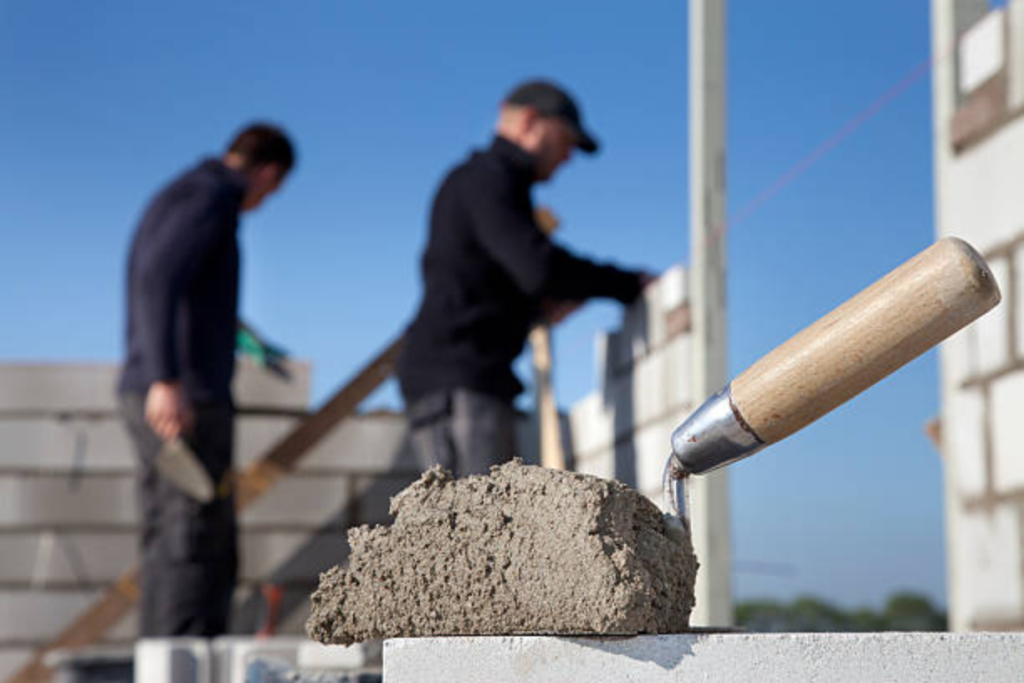
A masonry wall is one of the strongest and most durable construction solutions for residential and commercial properties. Built using materials like brick, concrete block, or natural stone, masonry walls provide structural support, improve curb appeal, and withstand harsh weather conditions for decades.
Whether you’re building a new home, installing a retaining wall, or restoring an aging brick structure, choosing the right masonry system is essential for long-term performance. Masonry walls are valued for their fire resistance, low maintenance, excellent durability, and timeless appearance, making them a popular choice throughout New York City.
However, not all masonry walls are the same. The material you choose, construction method, and installation quality all affect the wall’s strength, lifespan, and overall cost.
In this guide, we’ll explain the different types of masonry walls, how they’re constructed, typical installation costs, common repair issues, and practical maintenance tips to help you make the right decision for your property.
What Is a Masonry Wall?
A masonry wall is a wall constructed by joining individual units—such as bricks, concrete masonry units (CMUs), or natural stones—with mortar. Depending on the building’s design, these walls can be load-bearing, supporting the structure above, or non-load-bearing, serving as decorative or partition walls.
Unlike wood framing, masonry offers exceptional resistance to fire, moisture, insects, and everyday wear. Its solid construction also helps reduce outside noise and improves energy efficiency by regulating indoor temperatures.
Because of its strength and versatility, masonry is widely used in residential homes, commercial buildings, retaining walls, garages, boundary walls, chimneys, and exterior façades.
When installed by experienced professionals and maintained properly, a masonry wall can last 50 to more than 100 years, making it one of the most reliable long-term investments for any property.
Benefits of Masonry Walls
Masonry has remained a preferred construction method for centuries because it combines structural strength with long-lasting beauty. While the initial investment may be higher than some alternative materials, the durability and low maintenance requirements often make it the more economical choice over time.
Exceptional Durability
One of the biggest advantages of a masonry wall is its ability to withstand decades of exposure to weather, impact, and daily use. Brick, concrete block, and natural stone are highly durable materials that resist cracking, rot, insects, and UV damage far better than many traditional building materials.
Fire Resistance
Brick, concrete, and stone are naturally non-combustible materials. This makes masonry walls an excellent choice for improving the fire safety of homes, commercial buildings, garages, and other structures.
Weather Protection
New York’s climate exposes buildings to rain, snow, humidity, and freeze-thaw cycles. Properly constructed masonry walls resist moisture intrusion and weather-related deterioration, helping protect your property throughout the year.
Low Maintenance
Compared to wood or vinyl, masonry requires minimal upkeep. Routine inspections, occasional cleaning, and timely mortar repairs are usually enough to keep a masonry wall in excellent condition for decades.
Improved Property Value
Professionally installed masonry features enhance curb appeal and increase the value of a property. Buyers appreciate durable construction materials that offer long-term performance with relatively low maintenance costs.
Types of Masonry Walls
Choosing the right type of masonry wall depends on your budget, design preferences, and structural requirements. Below are the four most common masonry wall systems used in residential and commercial construction.

Brick Masonry Wall
Brick masonry is one of the most popular options because of its classic appearance, strength, and longevity. Manufactured clay bricks are bonded together with mortar to create durable walls that can last for generations.
Best for:
- Residential homes
- Boundary walls
- Garden walls
- Building façades
- Decorative entrance features
Advantages:
- Timeless appearance
- Fire resistant
- Low maintenance
- Long lifespan
- Wide range of colors and textures
Concrete Block Wall
Concrete block walls, also known as CMU walls, are commonly used for structural and commercial applications. Because the blocks are larger than bricks, installation is generally faster and more cost-effective.
Best for:
- Foundations
- Basements
- Garages
- Commercial buildings
- Retaining walls
Advantages:
- High structural strength
- Faster construction
- Affordable installation
- Excellent fire resistance
- Durable and low maintenance
Stone Masonry Wall
Natural stone offers unmatched beauty and durability. Materials such as granite, bluestone, limestone, and fieldstone create premium masonry walls that blend naturally with outdoor landscapes and upscale architectural designs.
Best for:
- Luxury homes
- Landscape walls
- Retaining walls
- Decorative entrances
- Outdoor living spaces
Advantages:
- Premium appearance
- Exceptional durability
- Weather resistant
- Minimal maintenance
- Adds significant property value
Masonry Veneer Wall
A masonry veneer wall uses a thin layer of brick or stone attached to a structural backing wall. It delivers the appearance of full masonry while reducing weight and installation costs.
Best for:
- Exterior renovations
- Home remodeling
- Commercial storefronts
- Decorative interior walls
Advantages:
- Lower cost than full masonry
- Faster installation
- Improved curb appeal
- Wide variety of design options
Masonry Wall Comparison
| Type | Cost | Durability | Appearance | Best Use |
|---|---|---|---|---|
| Brick | $$ | Excellent | Classic | Homes and façades |
| Concrete Block | $ | Excellent | Basic | Foundations and commercial buildings |
| Natural Stone | $$$$ | Outstanding | Premium | Luxury homes and retaining walls |
| Veneer | $$ | Very Good | High-end | Exterior remodeling |
Masonry Wall Construction Process
A well-built masonry wall requires careful planning, quality materials, and skilled workmanship. Every step in the construction process contributes to the wall’s strength, stability, and long-term performance.
While the exact process may vary depending on the project, most masonry walls are built using the following steps.
1. Planning and Site Preparation
Every successful masonry project begins with proper planning. Contractors evaluate the property’s layout, soil conditions, drainage requirements, and the intended purpose of the wall before construction starts.
The site is then prepared by:
- Clearing vegetation and debris
- Marking the wall layout
- Excavating for the foundation
- Compacting the soil
- Ensuring proper drainage
A properly prepared site creates a stable base and helps prevent future settlement.
2. Building the Foundation
A strong foundation is essential for the stability of any masonry wall. Contractors typically pour a reinforced concrete footing designed to support the wall’s weight and distribute loads evenly.
A properly constructed foundation helps prevent:
- Uneven settlement
- Structural cracks
- Leaning walls
- Premature failure
The footing must fully cure before masonry units are installed.
3. Laying the Masonry Units
Once the foundation is ready, bricks, concrete blocks, or natural stones are laid one course at a time using high-quality mortar.
Professional masons carefully maintain:
- Level and alignment
- Consistent mortar joints
- Proper bonding patterns
- Vertical plumb
- Structural stability
Attention to detail during this stage improves both the appearance and durability of the finished wall.
4. Joint Finishing and Inspection
After the wall is completed, the mortar joints are finished to improve water resistance and create a clean, uniform appearance.
The finished wall is then inspected to ensure:
- Proper alignment
- Strong mortar bonding
- Consistent joint spacing
- Structural stability
- Compliance with local building codes
A professional installation helps ensure your masonry wall performs reliably for decades.

How Much Does a Masonry Wall Cost?
The cost of building a masonry wall depends on several factors, including the material, wall size, design complexity, labor, and foundation requirements. While masonry generally costs more than some lightweight materials, its durability and long lifespan often make it a better long-term investment.
Average Installation Cost
| Wall Type | Average Installed Cost |
|---|---|
| Concrete Block Wall | $20–$45 per sq. ft. |
| Brick Masonry Wall | $30–$60 per sq. ft. |
| Stone Masonry Wall | $45–$100+ per sq. ft. |
| Masonry Veneer | $18–$40 per sq. ft. |
Note: Prices are estimates and may vary depending on material quality, project size, labor rates, permits, and site conditions.
Factors That Affect Masonry Wall Cost
Several variables influence the final project cost.
Material Choice
The material you select has the greatest impact on pricing.
- Concrete block is typically the most affordable.
- Brick offers an excellent balance of durability and appearance.
- Natural stone provides a premium finish but comes at a higher cost.
- Veneer systems offer the look of masonry with lower installation costs.
Wall Size
Larger walls require more materials, labor, and foundation work, increasing the overall project cost.
Design Complexity
Straight walls are generally less expensive than custom designs.
Features that can increase pricing include:
- Curved walls
- Decorative columns
- Stone caps
- Custom brick patterns
- Built-in planters
- Integrated lighting
Foundation Requirements
Some projects require deeper excavation, reinforced footings, or drainage improvements. These additional requirements can increase installation costs but are essential for long-term stability.
Site Accessibility
In densely populated areas like New York City, limited access, narrow driveways, and confined workspaces can increase labor time and equipment costs.
Although masonry may require a higher initial investment, its exceptional durability, low maintenance requirements, and long service life often provide better value over time.
Common Masonry Wall Problems
Even though masonry walls are built to last, they can develop problems over time due to weather exposure, moisture, aging, or structural movement. Identifying these issues early can prevent costly repairs and help extend the life of your masonry wall.
Cracked Masonry
Cracks are one of the most common masonry problems. While small hairline cracks are often caused by normal settling, larger or expanding cracks may indicate foundation movement or structural stress.
Common causes include:
- Foundation settlement
- Freeze-thaw cycles
- Heavy structural loads
- Temperature fluctuations
- Poor drainage
Any crack that continues to grow should be inspected by a professional masonry contractor.
Deteriorating Mortar Joints
Mortar naturally wears down over time due to rain, snow, and temperature changes. When mortar begins to crumble or separate from the masonry units, water can enter the wall and accelerate deterioration.
Signs of damaged mortar include:
- Missing mortar
- Crumbling joints
- Loose bricks or stones
- Visible gaps between masonry units
Professional repointing restores the strength of the wall and prevents further moisture damage.
Water Damage
Although brick and stone are highly durable, they are porous materials that can absorb moisture if not properly maintained.
Signs of water damage include:
- White powdery stains (efflorescence)
- Mold or mildew
- Damp interior walls
- Spalling bricks
- Surface discoloration
Maintaining proper drainage and waterproofing helps protect masonry from long-term moisture damage.
Leaning or Bulging Walls
A wall that leans or bulges may indicate serious structural problems caused by foundation movement, poor construction, or excessive soil pressure.
These issues should never be ignored, as they can compromise the safety and stability of the structure.
Masonry Wall Repair vs Replacement
Not every damaged masonry wall needs to be rebuilt. In many cases, professional repairs can restore both appearance and structural integrity. However, severe damage may require partial or complete replacement.
Repair Is Usually the Best Option When:
- Cracks are small and localized
- Mortar joints are deteriorating
- A few bricks or blocks are damaged
- Minor water penetration is present
- The wall remains structurally stable
Common repair services include brick replacement, crack repair, repointing, tuckpointing, and waterproofing.
Replacement May Be Necessary When:
- The wall is leaning significantly
- Foundation failure has occurred
- Large sections have collapsed
- Structural stability is compromised
- Repair costs approach the cost of rebuilding
A professional inspection is the best way to determine whether repair or replacement is the most practical and cost-effective solution.
Masonry Wall Maintenance Tips
Routine maintenance helps preserve the appearance and structural integrity of your masonry wall while reducing the likelihood of expensive repairs.
Follow these simple maintenance tips:
- Inspect the wall at least once a year for cracks or loose mortar.
- Keep gutters and downspouts clear to direct water away from the foundation.
- Repair damaged mortar joints before moisture penetrates the wall.
- Remove vines and vegetation growing against the masonry.
- Clean the wall with masonry-safe products to remove dirt and mildew.
- Apply a breathable water repellent if recommended by a masonry professional.
Taking care of small problems early can significantly extend the life of your masonry wall and protect your investment.
Frequently Asked Questions
How long does a masonry wall last?
A professionally constructed masonry wall can last 50 to more than 100 years. Its lifespan depends on the quality of materials, proper installation, drainage, and regular maintenance.
What is the best material for a masonry wall?
The best material depends on your project’s goals. Brick offers a balance of durability and appearance, concrete block is cost-effective and structurally strong, while natural stone provides a premium look with exceptional longevity.
Can a cracked masonry wall be repaired?
Yes. Small cracks, deteriorated mortar joints, and damaged bricks can usually be repaired without replacing the entire wall. However, walls with severe structural movement or major foundation issues may require rebuilding.
Does a masonry wall need waterproofing?
While masonry materials are durable, they are not completely waterproof. Proper drainage, routine maintenance, and breathable waterproofing products can help reduce moisture penetration and extend the life of the wall.
How much does it cost to build a masonry wall?
Most residential masonry walls cost between $20 and $100+ per square foot, depending on the material, wall size, design, labor, and site conditions.
Why should I hire a professional masonry contractor?
Professional contractors have the experience, tools, and knowledge to build masonry walls that are structurally sound, code-compliant, and built to last. Quality workmanship also helps prevent costly repairs in the future.
Why Choose Liberty GC NY for Masonry Wall Services?
Whether you’re building a new masonry wall or restoring an existing one, choosing an experienced contractor is essential for achieving durable, long-lasting results.
At Liberty GC NY, we specialize in professional masonry wall construction, repair, restoration, and waterproofing throughout New York City. Our experienced team works with brick, concrete block, and natural stone to deliver solutions that combine structural strength with outstanding craftsmanship.
Our masonry services include:
- Brick wall construction
- Concrete block wall installation
- Stone masonry
- Masonry wall repair
- Brick replacement
- Tuckpointing and repointing
- Masonry waterproofing
- Retaining wall construction
- Chimney and façade restoration
- Complete exterior masonry renovations
From small residential repairs to large commercial masonry projects, we are committed to delivering quality workmanship, reliable service, and exceptional customer satisfaction.
Contact Liberty GC NY today to schedule a consultation and receive a free estimate for your masonry wall project.
Final Thoughts
A professionally built masonry wall is a smart investment that offers exceptional durability, timeless beauty, and long-term value. Whether you choose brick, concrete block, or natural stone, selecting quality materials and experienced contractors ensures your wall will perform reliably for decades.
By understanding the different types of masonry walls, installation methods, costs, and maintenance requirements, you can confidently choose the right solution for your property. If you’re planning a masonry project in New York City, Liberty GC NY is ready to deliver expert craftsmanship and dependable results.
Contact Liberty GCNY
Website: www.libertygcny.com
Phone: (347) 682-9840
Serving: Manhattan, Brooklyn, Queens, The Bronx, Westchester County, and Long Island.
Address:110-14 178th St, Jamaica, NY
Need Help with Your Next Project? Call Liberty GCNY Today!
Fast responses. Expert advice. Trusted service across NYC and beyond.