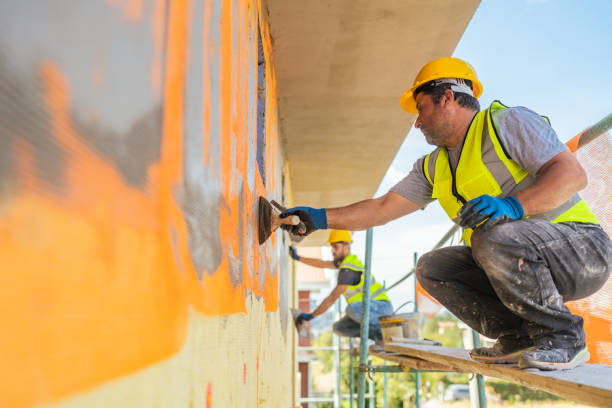
A parapet wall is an important part of many flat-roof buildings, particularly in urban areas where brick buildings, rooftop structures, and masonry construction are common. Although it may look like a simple extension of the exterior wall, a parapet plays an important role in roof-edge protection and building-envelope performance.
Over time, exposure to rain, snow, temperature changes, and moisture can weaken parapet walls. Cracked mortar joints, damaged coping, loose bricks, and deteriorated flashing can allow water to enter the building. If these problems remain untreated, they may lead to interior leaks, masonry damage, and expensive repairs.
Understanding how a parapet wall works, recognizing early warning signs, and choosing the right repair method can help property owners protect their buildings and avoid unnecessary maintenance costs.
What Is a Parapet Wall?
A parapet wall is a low wall that extends above a roofline, balcony, terrace, or building edge. It is commonly constructed from brick, concrete, stone, or other masonry materials.
On flat-roof buildings, a parapet often surrounds the roof perimeter. It can provide edge protection when designed for that purpose, conceal rooftop equipment, and contribute to the building’s exterior appearance.
However, a parapet wall is also exposed to weather from several directions. Rainwater can collect around its upper surface, enter deteriorated mortar joints, or penetrate gaps where the wall connects to the roof. Proper construction, flashing, coping, and ongoing maintenance are therefore essential.
Why Are Parapet Walls Common on NYC Buildings?
Parapet walls are found on many New York City buildings, including older brick properties, apartment buildings, commercial structures, and buildings with flat roofs.
These buildings face several maintenance challenges:
- Aging masonry: Older bricks and mortar joints may deteriorate after years of exposure to weather.
- Freeze-thaw damage: Water entering porous masonry can freeze, expand, and contribute to cracking or surface deterioration.
- Roof drainage problems: Blocked drains or poor drainage can leave water around vulnerable roof edges.
- Damaged coping: Loose stones, cracked caps, and failed joints can allow water to enter the wall.
- Deteriorated flashing: Gaps between the roofing system and parapet can become pathways for moisture.
Regular inspections can help identify these issues before they affect larger areas of the building.
5 Common Parapet Wall Problems
Recognizing early signs of deterioration can help property owners arrange appropriate repairs before the damage becomes more extensive.
1. Cracked or Deteriorating Mortar Joints
Mortar holds masonry units together and helps limit water penetration through the joints. Over time, weather exposure, movement, and moisture can cause mortar to crack, crumble, or separate from surrounding bricks.
Damaged joints may allow water to enter the wall and gradually weaken the surrounding masonry.
What to look for:
- Missing or crumbling mortar
- Visible gaps between bricks
- Cracks running along mortar joints
- Loose brickwork around damaged areas
Professional brick repointing can restore deteriorated joints by removing unsound mortar and installing compatible replacement mortar. The repair method should account for the existing masonry and the condition of the wall.
2. Loose, Cracked, or Missing Coping
Coping is the protective cap installed along the top of a parapet wall. It may be made from stone, concrete, metal, or other suitable materials.
Its purpose is to direct water away from the masonry below. When coping cracks, becomes loose, or develops failed joints, moisture can penetrate the wall from above.
Common warning signs include broken coping pieces, open joints, visible gaps, and water staining beneath the wall’s upper edge.
Repairs may involve resealing suitable joints, replacing damaged sections, or correcting the coping installation. The design should provide appropriate water shedding and account for thermal movement.
3. Water Penetration and Roof Leaks
Water penetration is one of the most common concerns associated with parapet walls. Moisture can enter through damaged coping, porous masonry, deteriorated mortar, failed flashing, or gaps where the roof meets the wall.
Signs of water intrusion may include damp interior walls, peeling paint, discolored ceilings, efflorescence, and recurring leaks near the roof perimeter.
However, these symptoms do not automatically mean the parapet is responsible. Roof membranes, drains, penetrations, and other building components should also be inspected to identify the actual source.
A proper repair addresses the source of water entry rather than simply covering the visible stain.
4. Spalling and Damaged Bricks
Spalling occurs when the surface of a brick, stone, or concrete unit flakes, breaks, or separates. Moisture intrusion, freeze-thaw cycles, unsuitable repairs, and material deterioration can contribute to the problem.
Damaged masonry can expose additional surfaces to water and accelerate deterioration.
Small areas of damage may be repairable through localized masonry work. Severely deteriorated bricks may need replacement using compatible materials and appropriate installation methods.
If pieces of masonry are loose or falling, restrict access to the affected area and arrange a professional assessment promptly.
5. Bulging, Leaning, or Separating Masonry
A parapet wall that appears to lean, bulge, or separate from adjacent construction may have a more serious problem than ordinary surface deterioration.
Possible causes include water-damaged masonry, failed connections, movement, corrosion of embedded components, or deterioration of supporting materials.
These conditions require prompt assessment by a qualified masonry professional and, where appropriate, a structural engineer. Repointing or applying waterproofing alone will not correct an underlying structural problem.
What Causes Parapet Wall Leaks?
Parapet wall leaks can develop when water-management details fail or masonry materials deteriorate.
Damaged Coping and Open Joints
Cracked coping and failed joints expose the top of the wall to rainwater. Without effective protection, moisture can enter the masonry and travel downward or inward.
Missing or Deteriorated Flashing
Flashing helps direct water away from vulnerable connections between roofing materials and vertical walls. If flashing is missing, damaged, improperly installed, or no longer integrated with the roof membrane, water may enter the building at the roof edge.
Porous or Deteriorated Masonry
Brick and mortar can absorb moisture. When joints deteriorate or masonry develops cracks, water may penetrate more easily, especially during prolonged rain.
Poor Roof Drainage
Standing water near a parapet can increase the risk of moisture entry when roofing details or membrane connections are defective. Blocked drains and poorly designed drainage systems should be addressed as part of the investigation.
Incompatible Previous Repairs
Some repair materials can trap moisture or fail to accommodate movement in the existing masonry. Applying sealant or coating over damaged surfaces without correcting the underlying problem may provide only temporary improvement.
The most effective solution begins with identifying the water-entry point and evaluating the surrounding roof and masonry.

How to Repair a Parapet Wall
The correct repair depends on the type and extent of damage. A professional inspection should determine whether the problem involves mortar joints, coping, flashing, individual bricks, or structural movement.
A typical repair process may include the following steps.
Step 1: Inspect the Wall and Roof Connection
The contractor examines visible cracks, mortar joints, coping, flashing, roof membrane transitions, and drainage conditions.
Interior water stains and previous leak reports may also help identify the affected area. If movement or instability is suspected, additional professional evaluation may be necessary.
Step 2: Remove Damaged Materials
Loose mortar, unstable masonry, failed sealant, and deteriorated components are removed where necessary.
The work should be limited to the affected areas while protecting sound masonry and the surrounding roofing system.
Step 3: Repair Mortar Joints and Replace Damaged Bricks
Deteriorated joints may require repointing with mortar compatible with the existing masonry. Cracked or severely damaged bricks may need to be replaced.
Using an unsuitable mortar can damage older masonry or create future maintenance problems, so material selection matters.
Step 4: Repair Coping and Flashing
The contractor repairs or replaces damaged coping and addresses defective flashing or roof-membrane connections.
Proper detailing is essential because water can enter even newly repaired masonry if the upper surface and roof junction remain vulnerable.
Step 5: Apply Suitable Waterproofing Where Needed
Depending on the wall’s construction and condition, an appropriate masonry treatment or waterproofing system may form part of the repair.
Waterproofing should complement sound masonry, effective coping, and correctly detailed flashing. It should not be treated as a substitute for repairing loose bricks, open joints, or structural defects.
Step 6: Check the Completed Work
The finished repair should be inspected for sound mortar joints, secure coping, properly integrated flashing, and effective drainage.
Where appropriate, the contractor can also recommend a maintenance schedule based on the building’s condition and exposure to weather.
Parapet Wall Waterproofing: What Actually Works?
Effective parapet wall waterproofing depends on managing water at the locations where it is most likely to enter.
Properly Installed Coping
Coping should shed water away from the wall and include suitable joints and detailing. Depending on the material and design, overhangs and drip edges can help prevent water from running directly down the masonry face.
Functional Flashing
Roof-edge flashing should be correctly integrated with the roofing system and vertical wall. Defective connections should be repaired rather than concealed beneath a surface coating.
Repaired Mortar Joints
Open and deteriorated joints can provide direct paths for moisture. Repointing restores the joints and helps limit water penetration when carried out correctly.
Compatible Waterproofing Treatments
Some parapet walls benefit from suitable water-repellent treatments or other waterproofing systems. The choice depends on the masonry, moisture conditions, exposure, and manufacturer requirements.
Not every wall should receive the same coating. An unsuitable product may trap moisture, interfere with drying, or conceal ongoing deterioration.
Effective Drainage
Roof drains and drainage paths should remain clear, and water should not be directed toward vulnerable wall connections. Persistent ponding requires investigation of the roof’s drainage and waterproofing details.
For buildings with recurring leaks, a coordinated assessment of the parapet, flashing, and roofing system is usually more effective than treating each symptom separately.
Parapet Wall Coping: Why It Matters

Parapet coping is one of the most important components of a wall’s weather protection.
Without properly functioning coping, rainwater can enter the top of the masonry and contribute to deterioration below the surface. Even a well-built brick wall can develop moisture problems when its upper edge is poorly protected.
Common coping materials include:
- Stone: Often used on masonry buildings for durability and appearance.
- Precast concrete: Provides a solid protective cap when correctly designed and installed.
- Metal: Can provide a durable protective cover with suitable seams, joints, and edge detailing.
- Other manufactured systems: Selected according to the building design and exposure conditions.
The appropriate material depends on the existing wall, roof configuration, structural requirements, and compatibility with adjacent components.
During an inspection, a contractor should check for cracks, loose sections, failed joints, inadequate water shedding, and signs of moisture beneath the coping.
Can You Repair a Parapet Wall Yourself?
Basic visual inspections from a safe location can help property owners identify obvious warning signs. However, rooftop parapet repairs can involve working at height, handling heavy masonry, and addressing components that protect the building from water intrusion.
Tasks such as replacing loose bricks, repairing coping, repointing deteriorated masonry, and correcting flashing defects require suitable materials, tools, and installation knowledge.
Structural movement or unstable masonry requires particular caution. Do not approach a leaning wall or attempt to remove loose material yourself. Keep people away from the affected area and arrange a professional inspection.
Hiring a qualified contractor is especially important when the repair involves roof access, extensive deterioration, recurring leaks, or uncertainty about the source of the problem.
How Much Does Parapet Wall Repair Cost?
Parapet wall repair costs vary according to the extent of damage, the materials involved, and the difficulty of accessing the affected area. A small repointing job may require considerably less work than replacing damaged coping or rebuilding an unstable section of masonry.
The following factors commonly influence the estimate.
| Cost factor | How it affects the price |
|---|---|
| Length and height of the wall | Larger or taller areas generally require more labor and materials. |
| Masonry condition | Extensive brick replacement or deteriorated mortar increases the scope of work. |
| Coping repairs | Replacing cracked or loose coping adds material and installation costs. |
| Flashing and waterproofing | Correcting roof-wall connections may require additional roofing work. |
| Access requirements | Scaffolding, lifts, safety equipment, and restricted access can increase labor costs. |
| Structural repairs | Engineering assessments or rebuilding may significantly increase the total cost. |
| Permits and site requirements | Applicable approvals and building-specific requirements may affect the budget. |
For an accurate estimate, the contractor should inspect the wall, identify the source of any leaks, and explain which repairs are necessary.
Property owners should compare estimates based on the actual scope of work, materials, access arrangements, and warranty terms rather than choosing solely by the lowest price.
How to Maintain a Parapet Wall
Regular maintenance can help identify deterioration before it develops into a more extensive repair.
Consider the following practices:
- Inspect visible mortar joints for cracking, gaps, or crumbling.
- Check coping for loose sections, open joints, and damaged edges.
- Look for water stains, efflorescence, and recurring leaks near the roof perimeter.
- Keep roof drains and drainage paths clear.
- Address damaged flashing and roof-membrane connections promptly.
- Arrange a professional assessment when masonry appears unstable or shows significant movement.
- Keep records of inspections and previous repairs to identify recurring problems.
Inspections should also be considered after severe weather or when new leaks appear. Older buildings may require more frequent professional attention depending on their condition and exposure.
When Should You Call a Masonry Contractor?
Some parapet wall problems become more expensive when repairs are delayed. Contact a qualified masonry contractor when you notice:
- Cracked or missing mortar across multiple areas.
- Loose, broken, or displaced coping.
- Repeated roof-edge leaks after rain.
- Bricks that are crumbling, spalling, or separating.
- Water stains or moisture damage around upper-floor walls.
- A parapet that appears to lean, bulge, or pull away from the building.
Loose or falling masonry and signs of structural instability require urgent attention. Keep the affected area clear and seek an appropriate professional assessment.
For property owners in New York City, the repair may involve both masonry and roofing work. Having the relevant components inspected together can help identify the actual cause of the problem and reduce the likelihood of recurring leaks.
Frequently Asked Questions About Parapet Walls
What is the main purpose of a parapet wall?
A parapet wall extends above a roof, terrace, or building edge. Depending on its design, it may provide edge protection, conceal rooftop equipment, and contribute to the building’s exterior appearance.
What causes cracks in a parapet wall?
Common causes include moisture penetration, freeze-thaw cycles, deteriorating mortar, thermal movement, and building movement. The location and pattern of the cracks help determine whether the problem is localized or requires further structural investigation.
How do you waterproof a parapet wall?
Effective waterproofing typically involves repairing damaged masonry, maintaining sound coping, correcting flashing and roof-membrane connections, and addressing drainage problems. A compatible waterproofing treatment may be appropriate in some situations.
How do you know if a parapet wall needs repair?
Warning signs include crumbling mortar, loose bricks, cracked coping, water stains, recurring leaks, and visible masonry movement. Loose or unstable sections should be assessed promptly.
What is parapet wall coping?
Coping is the protective cap installed along the top of a parapet wall. It helps direct water away from the masonry and reduce moisture penetration when correctly designed and maintained.
Can a parapet wall cause roof leaks?
Yes. Damaged coping, deteriorated mortar, and defective flashing at the roof-wall connection can allow water to enter a building. However, other roofing defects can produce similar symptoms, so the source should be confirmed before repairs begin.
How long does parapet wall repair take?
The duration depends on the length of the wall, the extent of the damage, access requirements, weather conditions, and whether coping or flashing needs replacement. A contractor can provide a more reliable schedule after inspecting the property.
Is parapet wall repair different from brick repointing?
Yes. Repointing focuses on replacing deteriorated mortar between masonry units. Parapet wall repair may also involve brick replacement, coping, flashing, waterproofing, drainage, or structural work.
Protect Your Building With Professional Parapet Wall Repair
A well-maintained parapet wall helps protect the building envelope and reduce the risk of water intrusion around the roof perimeter. Addressing damaged mortar, defective coping, and flashing problems early can help prevent more extensive masonry and interior repairs.
If your building has recurring leaks, deteriorating brickwork, or damaged parapet coping, arrange a professional inspection to identify the underlying issue and determine the appropriate repair.
Need help with parapet wall masonry or waterproofing? Contact a qualified local contractor to discuss your property’s condition and request an estimate for the required work.
Contact Liberty GCNY
Website: www.libertygcny.com
Phone: (347) 682-9840
Serving: Manhattan, Brooklyn, Queens, The Bronx, Westchester County, and Long Island.
Address:110-14 178th St, Jamaica, NY
Need Help with Your Next Project? Call Liberty GCNY Today!
Fast responses. Expert advice. Trusted service across NYC and beyond.