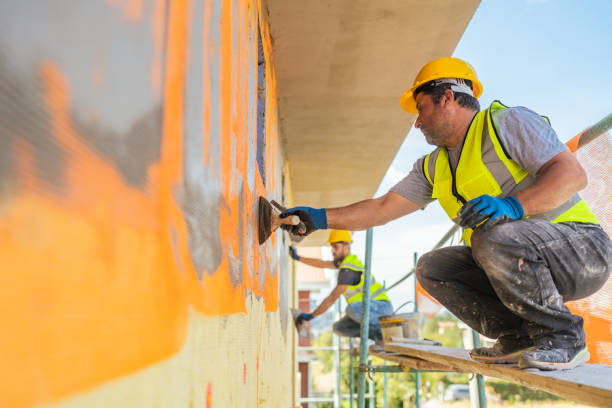
Winter can be hard on exterior walls, especially in areas like New York City where buildings face rain, snow, freezing temperatures, and changing weather conditions. Small cracks in stucco, damaged brick mortar, and weak parapet wall joints can allow water to enter a building. When temperatures drop, trapped water can freeze, expand, and cause further damage.
Preventing water leaks before winter helps protect your property’s walls, ceilings, and interior spaces from moisture damage. Regular inspections, timely repairs, and proper waterproofing can reduce the risk of expensive repairs during the colder months.
In this guide, we explain how to prevent water leaks in stucco, brick, and parapet walls and what property owners should check before winter arrives.
Why Are Water Leaks More Common During Winter?
Exterior walls are constantly exposed to changing weather. During winter, rain and melting snow can enter small openings around masonry joints, windows, roof edges, and wall surfaces.
When water gets inside cracks and freezes, it expands. This process, known as freeze-thaw damage, can widen existing cracks, loosen mortar, and damage exterior finishes.
Several common problems can increase the risk of winter water leaks:
- Cracked stucco or damaged exterior coatings
- Missing or deteriorated brick mortar
- Loose parapet wall coping
- Damaged roof flashing
- Blocked gutters and downspouts
- Poor drainage around roof edges
- Failed waterproofing materials
- Gaps around windows, doors, and other wall openings
Finding these problems early can help prevent moisture from spreading into the building.
How to Prevent Water Leaks in Stucco Walls

Stucco provides a durable exterior finish, but it is not completely waterproof. Cracks, damaged joints, and gaps around windows can allow water to reach the materials behind the surface.
1. Inspect Stucco for Cracks
Walk around the building and check the stucco for visible cracks, holes, bubbling, or areas where the finish is separating from the wall.
Hairline cracks may appear minor, but larger cracks or cracks around windows and doors can allow water to enter. Pay attention to areas where different materials meet because these joints can develop gaps over time.
Repair damaged areas with materials suitable for the existing stucco system. If the stucco is bulging, soft, or separating from the wall, have a professional inspect it before covering the damage.
2. Check Window and Door Seals
Water can enter through deteriorated sealant around window frames, doors, and other exterior openings.
Inspect the sealant for gaps, peeling, or cracks. Remove failed material where necessary and apply a compatible exterior-grade sealant according to the manufacturer’s instructions.
Do not seal drainage openings that are designed to release moisture from the wall assembly. Blocking these openings can trap water instead of preventing leaks.
3. Repair Damaged Stucco Before Freezing Weather
Cold weather can make exterior repairs more difficult because many repair products require specific temperature and curing conditions.
Whenever possible, schedule stucco repairs before temperatures become too low. Follow the product manufacturer’s requirements for surface temperature, application, and curing time.
If the damage is extensive, an inspection can help determine whether the problem is limited to the finish or whether moisture has affected the materials behind it.
How to Prevent Water Leaks in Brick Walls
Brick walls can last for decades, but their mortar joints and connections require maintenance. Over time, weather exposure can weaken mortar and create openings that allow water to enter.
1. Repair Damaged Mortar Joints
Mortar holds brickwork together and helps limit water penetration through the joints. When mortar becomes cracked, loose, or missing, rain and melting snow can enter the wall.
Inspect the mortar joints for crumbling, deep gaps, and areas where the mortar has pulled away from the bricks.
Damaged joints may require repointing, which involves removing deteriorated mortar to an appropriate depth and installing compatible new mortar. Using mortar that is too hard for older brickwork can cause additional damage, so the repair material should match the masonry system.
2. Look for Cracked or Loose Bricks
Individual bricks can crack, loosen, or deteriorate because of moisture exposure, movement, or repeated freezing and thawing.
Check for:
- Cracked or spalling bricks
- Loose sections of brickwork
- White, powdery deposits known as efflorescence
- Dark moisture stains
- Gaps around wall openings
- Deteriorated mortar near rooflines
Efflorescence can indicate moisture movement through masonry, although it does not always mean that an active leak is present. The underlying moisture source should be identified before repairs are selected.
3. Check Brick Wall Flashing and Drainage
Some brick walls use flashing and drainage openings to direct water out of the wall assembly. If flashing is damaged or drainage openings are blocked, moisture can collect inside the wall.
Have a qualified masonry contractor inspect these areas if you notice recurring leaks, damp interior walls, or water stains near windows and rooflines.
Avoid covering drainage openings or applying a waterproof coating without understanding how the wall is designed to manage moisture.
How to Prevent Water Leaks in Parapet Walls
Parapet walls extend above the roofline and are commonly found on commercial buildings, apartment buildings, and many older properties in New York City.

Because these walls are exposed to weather on multiple sides, their tops, joints, and roof connections need special attention. A small defect near the top of a parapet can allow water to enter the masonry and travel into the building.
1. Inspect Parapet Wall Coping
Coping is the protective covering installed along the top of a parapet wall. It helps direct water away from the masonry below.
Inspect the coping for loose sections, open joints, cracks, and damaged edges. Check whether water appears to collect on top of the wall instead of draining away.
Repair or replace damaged coping and its joints using a system appropriate for the wall. Proper installation should help shed water and reduce moisture penetration.
2. Check Roof Flashing at the Parapet
Flashing forms a water-resistant connection between the roof and the parapet wall. If flashing is loose, torn, poorly sealed, or improperly installed, water can enter at this junction.
Look for signs such as:
- Water stains near the roof perimeter
- Peeling paint on interior walls
- Damp areas near the ceiling
- Visible gaps at roof-to-wall connections
- Repeated leaks after rain or snow
Roof flashing repairs should be completed by a qualified roofing or waterproofing contractor. The repair needs to work with the existing roofing and wall systems rather than simply covering the visible gap.
3. Repair Cracks and Open Masonry Joints
Cracks in parapet walls can allow water to penetrate the masonry. Freezing temperatures may then make the damage worse.
Have cracks, deteriorated mortar, and loose masonry evaluated before winter. The appropriate repair may involve repointing, masonry replacement, coping repairs, or a more extensive waterproofing solution.
If a parapet wall is leaning, bulging, or visibly unstable, arrange a prompt professional inspection. These conditions may indicate a structural safety issue, not just a water leak.
Why Freeze-Thaw Damage Makes Winter Leaks Worse
Freeze-thaw damage occurs when water enters a porous material, freezes, expands, and places pressure on the surrounding material. Repeated cycles can gradually worsen existing defects.
Brick, mortar, stucco, and concrete can all be affected when moisture remains in the material and conditions allow freezing.
Common signs of freeze-thaw damage include:
- Flaking or broken brick surfaces
- Crumbling mortar
- Expanding cracks
- Loose stucco
- Damaged coping joints
- Water stains that return after repairs
The best prevention is to address the source of moisture before it enters the wall. Simply covering a crack may not solve the problem if damaged flashing, failed coping, or poor drainage is allowing water to reach the same area.
Winter Maintenance Checklist for Exterior Walls
Before the coldest weather arrives, inspect the exterior of your property and address visible problems.
| Area | What to Check | Recommended Action |
|---|---|---|
| Stucco walls | Cracks, bubbling, loose finish | Repair damaged areas with compatible materials |
| Brick walls | Missing or crumbling mortar | Repoint deteriorated joints |
| Parapet walls | Loose coping and open joints | Repair coping and masonry defects |
| Roof edges | Damaged or separated flashing | Have the roof-to-wall connection inspected |
| Gutters | Blockages and overflowing water | Clear debris and correct drainage problems |
| Downspouts | Leaks or poor discharge | Direct water away from vulnerable areas |
| Windows and doors | Failed exterior sealant | Replace deteriorated sealant where appropriate |
| Interior walls | Damp patches, peeling paint, musty odors | Investigate the moisture source |
Schedule inspections and repairs early enough to allow materials to be installed and cured under suitable conditions.
Signs Your Building May Have a Water Leak
Not every water leak starts with a visible stream of water. Some problems develop slowly inside walls or around roof connections.
Watch for these warning signs:
Water stains: Brown or yellow marks on ceilings and walls may indicate moisture entering from the exterior.
Peeling paint: Paint or plaster that bubbles, flakes, or separates may be exposed to moisture.
Musty odors: A persistent musty smell can indicate damp materials or hidden moisture.
Efflorescence: White deposits on brick or masonry may point to water moving through the material.
Recurring leaks: If the same area becomes wet after every storm, the original problem may not have been repaired.
Deteriorating masonry: Crumbling mortar, spalling bricks, or loose stucco may indicate prolonged exposure to moisture.
If these signs appear, identify and repair the source instead of relying on interior paint or surface sealants to hide the damage.
Should You Waterproof Exterior Walls Before Winter?
Waterproofing may help reduce water intrusion when the system is appropriate for the wall’s construction and condition. However, not every exterior wall needs the same treatment.
A stucco wall may need crack repairs and corrections around openings. A brick wall may require repointing or flashing repairs. A parapet wall may need new coping joints, masonry repairs, or roof flashing work.
Before applying a waterproof coating, determine how the wall manages moisture. Some coatings can trap water in certain wall assemblies if they are not suitable for the existing materials.
A professional assessment can help identify the right repair method and prevent unnecessary work.
Why Hire a Professional for Winter Water Leak Prevention?
Exterior wall leaks can originate from several connected areas. Water entering near a roof edge may travel along the wall before appearing inside the building, making the visible stain an unreliable guide to the actual source.
A qualified contractor can inspect stucco, brickwork, parapet coping, flashing, and drainage conditions to identify likely entry points.
Professional repairs can help:
- Address the source of water intrusion
- Protect masonry from further deterioration
- Reduce the risk of recurring leaks
- Identify repairs that should be completed before freezing weather
- Avoid unnecessary replacement of undamaged materials
For buildings in New York City, regular exterior maintenance is especially important because winter weather can worsen existing masonry and roofing defects.
Frequently Asked Questions
1. How can I prevent water leaks in winter?
Inspect exterior walls before winter, repair cracks and damaged mortar, check parapet coping and roof flashing, and make sure gutters and drainage systems work correctly. Repair materials must be installed under suitable weather conditions.
2. Can water enter through brick walls?
Yes. Water can enter through deteriorated mortar joints, cracked bricks, damaged flashing, and other openings. Proper masonry repairs and functioning drainage help reduce the risk.
3. Do stucco walls need waterproofing?
Stucco walls may need targeted repairs, suitable water-resistive protection, and properly sealed connections. The right approach depends on the wall assembly and the source of the moisture. A coating alone may not solve an underlying leak.
4. Why do parapet walls leak during winter?
Common causes include damaged coping, deteriorated masonry joints, failed roof flashing, and cracks that allow rain or melting snow to enter. Freeze-thaw cycles can worsen existing defects.
5. Is it possible to repair exterior wall leaks in cold weather?
Some repairs can be completed in cold weather, but many sealants, mortars, coatings, and waterproofing products have temperature and curing requirements. A contractor should select an appropriate method and follow the manufacturer’s instructions.
6. When should I call a waterproofing contractor?
Contact a professional if leaks return after rain, interior stains continue to spread, masonry is deteriorating, or you notice loose coping, damaged flashing, or significant wall cracks. Bulging or unstable parapet walls require prompt attention.
Protect Your Property Before Winter
Water leaks in stucco, brick, and parapet walls can lead to costly repairs when moisture remains untreated. Inspecting vulnerable areas, maintaining drainage, and repairing damaged masonry before winter can help protect your building from water intrusion and freeze-thaw damage.
If you notice cracks, loose mortar, damaged coping, or recurring leaks, arrange a professional inspection to determine the source and the right repair.
Need help with exterior wall leaks? Contact a qualified masonry and waterproofing contractor to inspect your property and recommend repairs before winter conditions make existing problems worse.
Contact Us
Website: www.libertygcny.com
Phone: (347) 682-9840
Serving: Manhattan, Brooklyn, Queens, The Bronx, Westchester County, and Long Island.
Address:110-14 178th St, Jamaica, NY