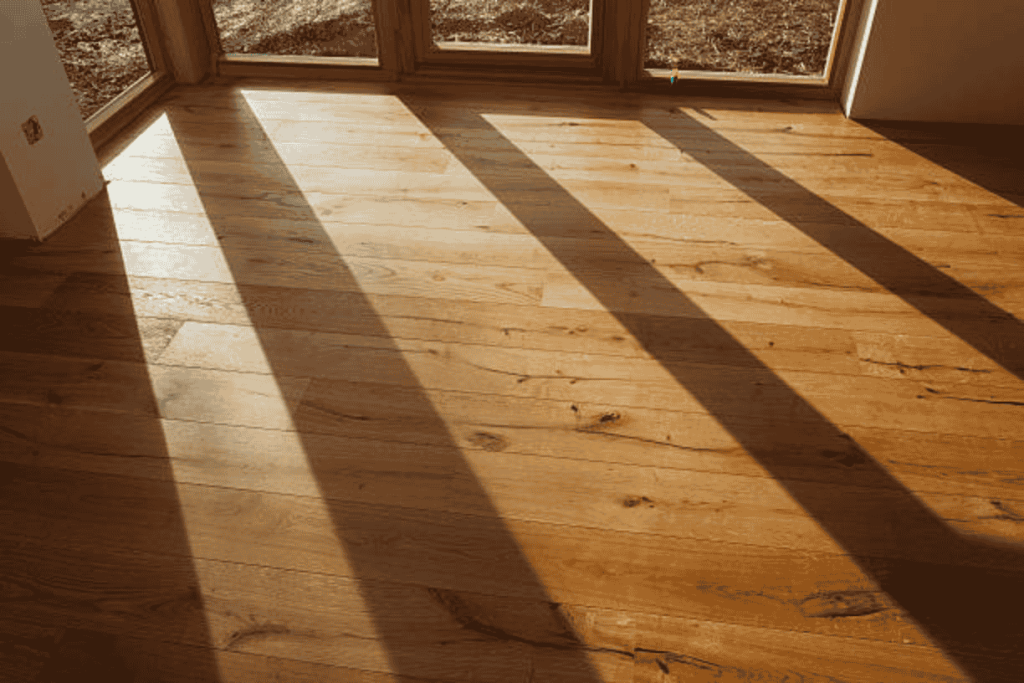
Whether you are building a new home or upgrading an existing one, comfort is key. One of the best ways to achieve a cozy and energy-efficient home is through radiant floor heating. This system provides warmth from the ground up, ensuring your living spaces stay comfortable even during the coldest months. In this guide, we will discuss the benefits, costs, and installation process of radiant floor heating, helping you make an informed decision for your home.
What is Radiant Floor Heating?
Radiant floor heating is a modern heating system that warms your home by circulating heat through the floors. Unlike traditional heating systems that rely on air circulation, radiant floor heating uses either electric wires or water pipes installed beneath the floor surface. The heat radiates evenly across the floor, warming the entire room from the bottom up.
There are two main types of radiant floor heating systems:
- Electric Radiant Floor Heating – Uses electric cables or mats to heat the floor. It is ideal for small areas like bathrooms or kitchens.
- Hydronic Radiant Floor Heating – Uses heated water running through pipes beneath the floor. This system is more suitable for larger areas or entire homes.
Both types provide consistent warmth and can be customized to fit different room layouts and flooring materials.
Benefits of Radiant Floor Heating
Investing in radiant floor heating offers several advantages for homeowners. Here are the key benefits:
1. Comfortable and Even Heating
Traditional heaters warm the air, which can create cold spots in your room. Radiant floor heating, on the other hand, distributes warmth evenly across the floor. This creates a natural and cozy environment without the need for hot radiators or noisy air systems.
2. Energy Efficiency
Radiant floor heating is more energy-efficient than conventional heating methods. Because it warms the room evenly and directly, you can lower the thermostat and still feel comfortable. Over time, this can lead to reduced energy bills, making it an eco-friendly choice for modern homes.
3. Silent Operation
Unlike forced-air heating systems, radiant floor heating systems operate silently. There are no fans, blowers, or vents, which means no noise disruption in your living spaces. This makes it perfect for bedrooms, offices, and living rooms where peace is important.
4. Healthier Home Environment
Radiant heating reduces the circulation of dust and allergens because it doesn’t rely on forced air. This is especially beneficial for people with allergies or respiratory issues. You can enjoy warmth without the dust and dryness caused by traditional heating systems.
5. Space-Saving Design
Since the heating elements are under the floor, there’s no need for bulky radiators or air vents. This gives you more freedom to design and furnish your rooms without worrying about space constraints.
6. Increased Home Value
Homes with modern, energy-efficient systems are more attractive to buyers. Installing radiant floor heating can increase the resale value of your property and make it more appealing in a competitive housing market.
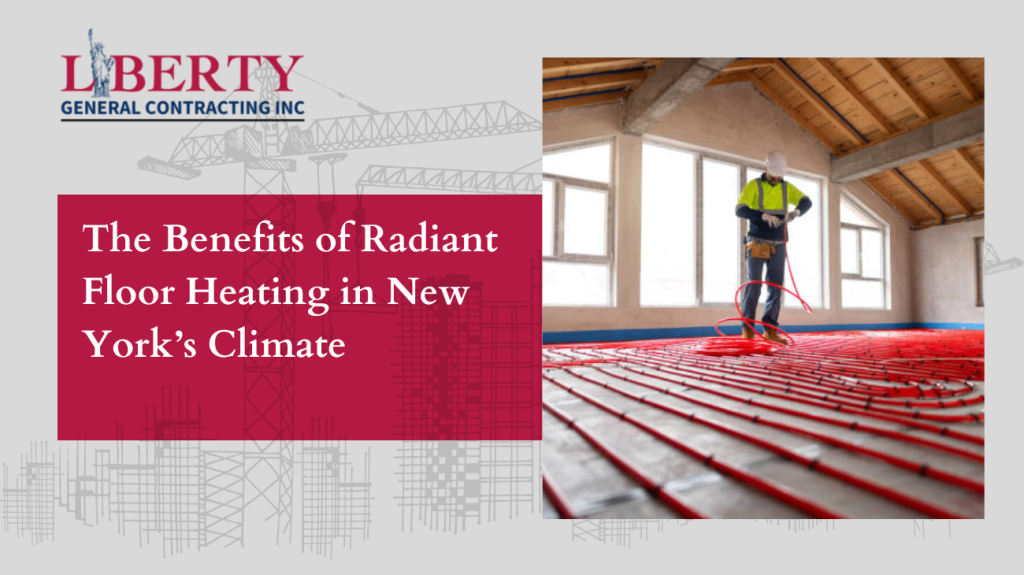
Costs of Radiant Floor Heating
Understanding the radiant floor heating cost is essential before installation. The total cost depends on several factors:
- System type: Electric systems are usually cheaper upfront but may cost more to run. Hydronic systems have higher installation costs but lower operating costs.
- Floor size: Larger areas require more materials and labor, increasing the cost.
- Flooring material: Some flooring types, such as tile and stone, work better with radiant heating. Wood or carpet may need extra preparation.
- Installation complexity: If your home has multiple levels or irregular floor plans, the installation cost may be higher.
On average, electric radiant floor heating costs between $8 and $15 per square foot, while hydronic systems can range from $6 to $20 per square foot. While the initial investment is higher than traditional heating systems, the long-term savings on energy bills and increased comfort often make it worthwhile.
Installation of Radiant Floor Heating
Installing a radiant floor heating system requires careful planning and professional expertise. Here’s an overview of the process:
Step 1: Floor Preparation
The first step is to prepare the floor. This may include leveling the surface, adding insulation, and removing any old flooring. Proper insulation ensures that the heat moves upward and doesn’t get lost beneath the floor.
Step 2: Installing Heating Elements
Depending on the system type, this involves laying electric mats or cables for electric systems or installing PEX pipes for hydronic systems. The elements are carefully spaced to ensure even heat distribution throughout the floor.
Step 3: Connecting to Power or Water Source
Electric systems are connected to the home’s electrical system, while hydronic systems are connected to a boiler or water heater. A thermostat is installed to control the temperature efficiently.
Step 4: Covering the Heating System
Once the heating elements are in place, the floor is covered with your chosen flooring material. Tile, stone, laminate, and engineered wood are common choices compatible with radiant heating.
Step 5: System Testing
Before completing the installation, the system is tested to ensure it operates correctly. This includes checking for leaks in hydronic systems and ensuring electric systems heat evenly.
Step 6: Final Adjustments
Finally, the thermostat and settings are adjusted to optimize energy efficiency and comfort. Some modern systems even allow app-controlled heating for convenience.
Flooring Options for Radiant Heating
Choosing the right flooring is crucial for radiant floor heat efficiency. Here are some options:
- Tile and Stone: Excellent heat conductors and durable. Ideal for bathrooms and kitchens.
- Laminate and Vinyl: Suitable for living areas, but ensure they are compatible with radiant systems.
- Engineered Wood: Can be used with radiant heating, but solid wood may expand and contract.
Each material affects how quickly heat is transferred and how comfortable it feels underfoot.
Why Choose Professional Installation
While some homeowners attempt DIY installation, professional services ensure safety, efficiency, and long-term performance. At LibertyGCNY , we provide expert radiant floor heating systems installation. Our team handles everything from planning to final testing, making sure your system is safe, efficient, and tailored to your home.
Professional installation reduces the risk of:
- Uneven heating
- System leaks
- Electrical issues
- Reduced energy efficiency
By choosing expert services, you also receive guidance on maintenance and troubleshooting, ensuring your investment lasts for years.
Maintenance Tips for Radiant Floor Heating
Maintaining your radiant floor heating system is simple but important. Here are some tips:
- Regular Thermostat Checks: Ensure your thermostat is working properly to maintain consistent temperatures.
- Inspect for Leaks (Hydronic Systems): Occasionally check water pipes for any leaks or damage.
- Floor Cleaning: Use recommended cleaning products for your flooring type to prevent damage to the heating system.
- Annual Professional Inspection: A yearly check by a professional ensures your system operates efficiently.
Proper maintenance ensures longevity, reduces repair costs, and keeps your home cozy throughout the year.
Conclusion
Radiant floor heating is a smart investment for homeowners seeking comfort, efficiency, and modern living. Its benefits include even heating, energy savings, silent operation, and a healthier indoor environment. While the installation cost can be higher than traditional heating systems, the long-term advantages, including increased home value, make it worthwhile.
Whether you are renovating a bathroom, kitchen, or your entire home, radiant floor heating provides warmth and style that traditional systems cannot match. For professional installation and reliable services, visit LibertyGCNY and bring comfort to your home with expert radiant floor heating solutions.
Contact Liberty GCNY
Website: www.libertygcny.com
Phone: (347) 682-9840
Serving: Manhattan, Brooklyn, Queens, The Bronx, Westchester County, and Long Island.
Address:110-14 178th St, Jamaica, NY