A roof leak after snow is one of the most common — and most misunderstood — problems New York homeowners face. Many people assume roof leaks only happen during heavy rain, but winter weather often causes hidden damage that doesn’t reveal itself until snow begins to melt.
If you’ve noticed water stains, dripping, or moisture after a snowfall, your roof is telling you something important. A leaking roof after snow usually means water is getting trapped, backing up, or slipping beneath your roofing system — and the longer it’s ignored, the more expensive roof leak repairs become.
This guide explains why roof leaks happen after snow in New York, how to spot them early, how to fix a leaking roof, and when to call a professional.
Common Causes of Roof Leaks After Snow
Before jumping into repairs, it’s important to understand what’s causing the problem. Roof leaks after snow typically develop due to a combination of cold temperatures, melting snow, and existing roof weaknesses.
1. Ice Dams and Clogged Gutters
Ice dams form when snow melts on the upper portion of the roof and refreezes near the edges. This buildup prevents proper drainage, forcing water to back up under the shingles. Clogged gutters make the situation worse by trapping melting snow and directing water back toward the roof, leading to roof leaks.
2. Damaged or Missing Shingles
Even minor shingle damage can allow water to penetrate the roof. Snow and ice can loosen, crack, or completely displace shingles, exposing the roof deck underneath. Over time, this damage can result in a persistent roof leak.
3. Poor Roof Ventilation
Inadequate attic ventilation allows heat to build up beneath the roof. This causes uneven snow melting, which increases the risk of ice dams and moisture intrusion. Poor ventilation is a common but often overlooked cause of roof leaking during winter.
4. Leaking Flashing and Seals
Flashing around chimneys, vents, and skylights is designed to keep water out. When flashing becomes damaged, rusted, or improperly sealed, it creates an easy entry point for water during snowmelt and freeze–thaw cycles.
Recognizing the Signs of a Snow-Induced Leaking Roof
Roof leaks aren’t always obvious right away. Being able to recognize early warning signs can help you address the issue before it becomes severe.
Visible Water Stains: Dark spots or discoloration on ceilings and walls often indicate a roof leak caused by melting snow.
Sagging Ceilings: A sagging or bulging ceiling suggests that water has been accumulating over time, which can weaken the structure and lead to costly repairs.
Wet or Damp Insulation: Moist insulation in the attic reduces energy efficiency and is a strong indicator of a leaking roof that needs attention.
When a Small leaked roof Became a Big Problem
After a February snowstorm, a Queens homeowner noticed a faint ceiling stain. The leak only appeared on warmer days, so it didn’t seem urgent. By March, the stain spread, insulation was soaked, and mold had begun forming behind the drywall.
What started as a minor roof leaking issue turned into structural repairs, mold remediation, and interior damage — all because the early warning signs were ignored.
How to Fix Snow-Induced leak roof
Safety should always come first when dealing with roof issues, especially during winter. If you suspect a roof leak, consider the following steps.
Clear Snow and Ice From the Roof
Removing excess snow can help reduce pressure on your roof and minimize water buildup. A roof rake can be useful, but only if it can be done safely from the ground. For steep or hard-to-reach roofs, professional help is recommended.
Safely Address Ice Dams
Ice dams should be handled carefully to avoid damaging shingles. Heat cables or approved roof de-icing products can help melt ice gradually and restore proper drainage.
Repair or Replace Damaged Shingles and Flashing
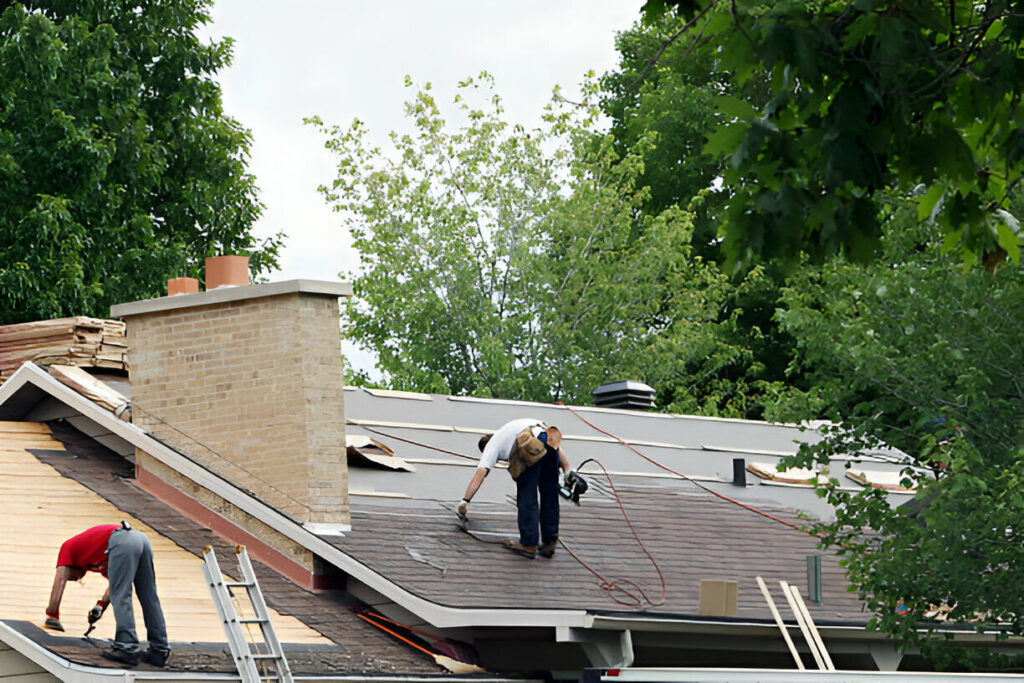
Missing shingles and compromised flashing should be repaired as soon as possible. Timely roof leak repairs can prevent further water intrusion and reduce long-term damage.
Improve Roof Ventilation
Enhancing attic ventilation helps regulate roof temperature, reducing uneven snowmelt and lowering the risk of future roof leaks. This is a long-term solution that benefits both winter and summer performance.
Professional Roof Leak Repairs in New York
A professional contractor doesn’t just stop the drip — they fix the cause.
Professional leak roof repairs typically include:
- Full roof inspection
- Leak source detection
- Flashing and shingle repair
- Ice dam prevention solutions
- Structural damage assessment
They also determine whether repairs are sufficient or if long-term solutions are needed.
Preventing Future Leak Roof After Snow
Taking preventive steps can save you from repeated roof leaking issues and expensive repairs.
Schedule Regular Roof Inspections
Routine inspections help identify small problems before they turn into major roof leak repairs, especially before and after winter.
Install Gutter Guards
Gutter guards reduce debris buildup and help ensure proper water flow, minimizing the risk of ice dams and roof leaks.
Improve Attic Insulation
Proper insulation keeps heat inside your home where it belongs, preventing excessive snowmelt and reducing stress on your roof system.
When to Call a Professional
Some roof leaks require more than basic maintenance or temporary fixes.
Complex or Hidden Leaks
If the source of the roof leak isn’t obvious or involves multiple areas, a professional inspection is essential to identify the root cause.
Safety Concerns
Working on a roof during winter can be dangerous. If conditions are icy or the roof is difficult to access, calling a professional roofing contractor is the safest option.
Experienced professionals can not only repair existing damage but also help prevent future roof leaks by addressing underlying issues.
Choosing the Right Contractor for Roof Leak Repair
When dealing with roof leaks after snow, local experience matters. A contractor familiar with New York weather understands:
- Ice dam prevention
- Freeze–thaw damage
- Flat and pitched roof systems
- Local building requirements
A trusted option for homeowners is Liberty General Contracting, known for thorough inspections and long-term roofing solutions — not temporary patches.
Final Thoughts: Don’t Ignore Roof Leaks After Snow
Your roof plays a critical role in protecting your home, and winter weather can expose weaknesses you didn’t know existed. By understanding why roof leaks happen after snow, recognizing the warning signs, and taking the right corrective and preventive actions, you can keep your home safe and dry all season long.
Proactive maintenance today can help you avoid costly roof leak repairs tomorrow. If you suspect a leaking roof or want peace of mind before the next snowfall, scheduling a professional inspection is always a smart move.
Contact Us
Website: www.libertygcny.com
Phone: (347) 682-9840
Serving: Manhattan, Brooklyn, Queens, The Bronx, Westchester County, and Long Island.
Address:110-14 178th St, Jamaica, NY