When considering a new roof for your home, it’s important to understand the roof shingles types available, as they play a critical role in the durability, appearance, and cost of your roof. Among the most common roofing materials, asphalt shingles remain the most popular due to their affordability and functionality. However, there are several other roof shingles types, each offering unique benefits. In this guide, we’ll cover the different types of roof shingles, the cost of roof shingles, and provide a step-by-step approach to how to shingle a roof.
Different Roof Shingles Types
Roof shingles come in a variety of materials and designs. Choosing the right one for your home depends on factors like budget, aesthetic preferences, and durability requirements. Let’s explore some of the most common roof shingles types.
1. Asphalt Shingles
The most widely used roofing material, asphalt shingles offer an excellent balance of cost and performance. They are available in two primary roof shingles types:
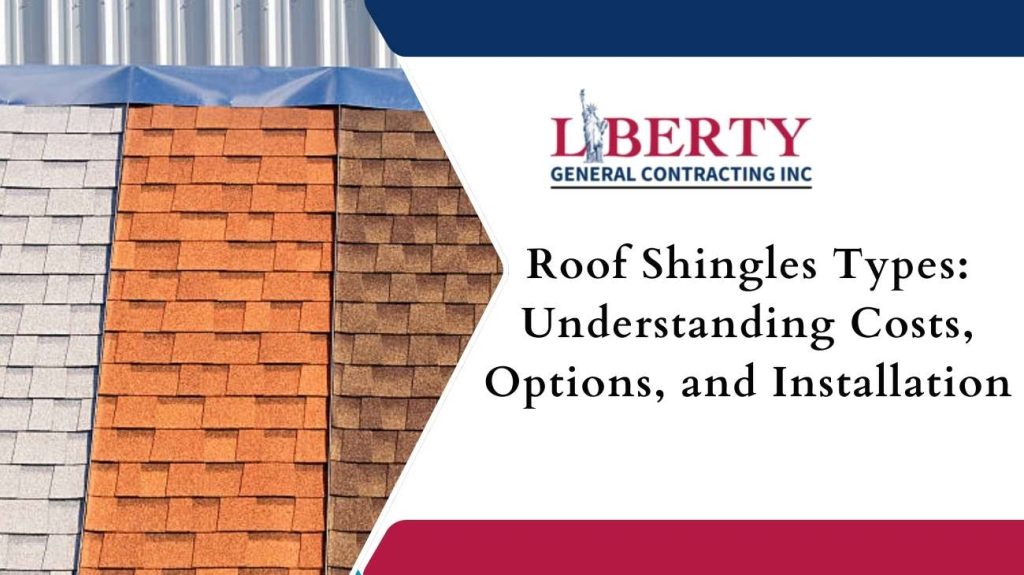
- 3-tab Asphalt Shingles: This is the most basic and affordable option. It provides solid protection, but its lifespan is shorter compared to higher-end shingles. These shingles are flat and have a uniform shape, which gives the roof a clean, simple appearance.
- Architectural Asphalt Shingles: These are thicker, more durable, and have a layered design that provides an upscale, dimensional look. Architectural asphalt shingles offer better performance and a longer lifespan compared to 3-tab shingles, making them a preferred option for many homeowners.
2. Wood Shingles
Wood shingles, made from cedar, redwood, or pine, offer a natural look that can elevate the curb appeal of any home. They are perfect for traditional-style houses and homes in coastal areas. However, wood shingles require more maintenance than asphalt due to their vulnerability to rot in wet conditions. They also need to be treated to prevent pests and decay.
3. Slate Shingles
Slate shingles are a premium roofing option made from natural stone. Known for their elegance and long lifespan, slate shingles can last over 100 years with proper care. They are fire-resistant, making them a safe option for homes in wildfire-prone areas. However, they are heavier than asphalt shingles and can be more expensive both to install and maintain.
4. Metal Shingles
Metal shingles are gaining popularity due to their durability and energy efficiency. Made from materials like steel, aluminum, and copper, these shingles are incredibly strong, resistant to extreme weather, and fireproof. They can reflect solar heat, which helps in reducing cooling costs. Though the initial cost of metal shingles is higher, their longevity and low maintenance make them a good investment in the long run.
5. Clay and Concrete Shingles
Clay and concrete shingles offer a timeless, Mediterranean-style aesthetic and are highly durable. They are fire-resistant and can last a lifetime. However, the weight of these materials often requires structural reinforcement, and they come with a higher upfront cost compared to asphalt or wood shingles. They are also more commonly used in regions with a warm climate, making them ideal for areas like the southwestern United States.
Cost of Roof Shingles
When considering new roofing, asphalt shingle roof cost is usually the first thing that comes to mind. The cost of shingles can vary depending on the material, size of the roof, and installation complexity. Here’s an overview of the general cost for various types of roof shingles:
Asphalt Shingle Roof Cost
Asphalt shingles are the most affordable roofing option. The cost of roof shingles made from asphalt typically ranges from $90 to $100 per square (100 square feet). Asphalt shingle roof cost can increase if you choose premium architectural shingles or if your roof has a complex design. Additional factors such as your location and the roofing contractor’s fees will also impact the price.
Wood Shingle Roof Cost
Wood shingles cost more than asphalt, generally between $300 and $700 per square. This price can vary depending on the quality of the wood and the installation process. Wood shingles also require periodic maintenance, which can contribute to long-term costs.
Slate and Metal Shingle Roof Cost
Slate shingles are one of the most expensive options, with prices ranging from $800 to $1,500 per square. Metal roofing shingles typically cost between $300 and $1,000 per square, depending on the material and design. Though the initial installation cost of these shingles is high, their durability and low maintenance requirements offer long-term savings.
Clay and Concrete Shingle Roof Cost
Clay and concrete shingles are also a premium option, with prices ranging from $400 to $1,000 per square, depending on the material and quality. Like slate shingles, these require structural reinforcement due to their weight, which adds to the installation cost.
How to Shingle a Roof: A Step-by-Step Guide
Knowing how to shingle a roof is crucial if you’re planning a DIY project or simply want to understand the installation process better. Follow these steps for a successful installation:
1. Remove Old Shingles
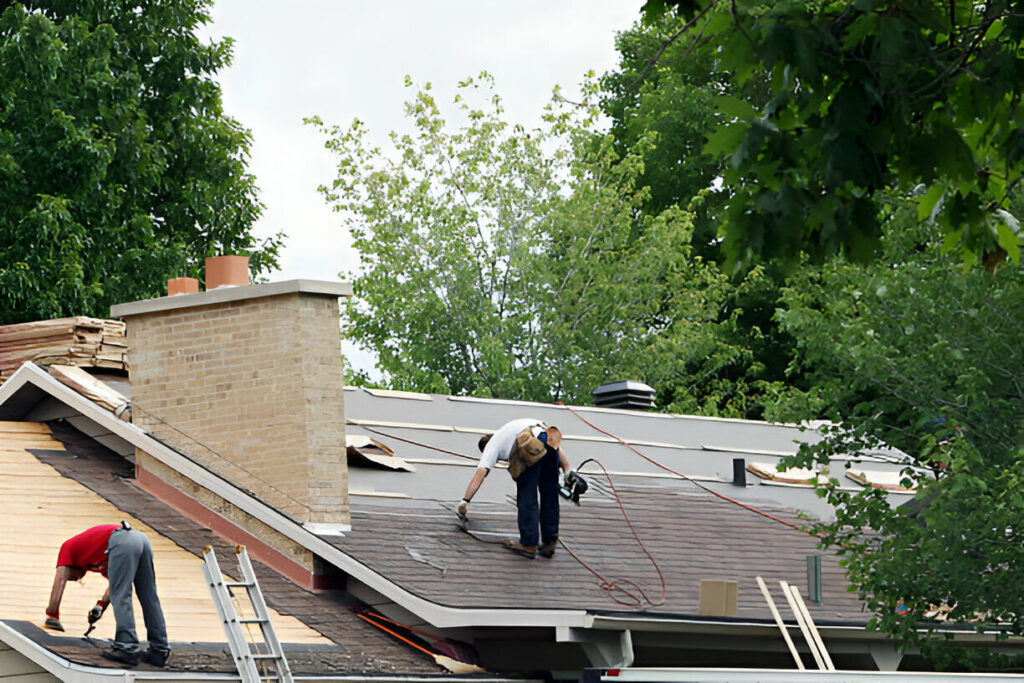
The first step in how to shingle a roof is to remove the old roofing material. Use a roofing shovel or pry bar to lift and remove the existing shingles and nails. Make sure to clean the roof deck thoroughly before proceeding with the installation of new shingles.
2. Inspect and Repair the Roof Deck
Once the old shingles are removed, check the roof deck for any signs of damage. If there are any weak spots or rot, replace the affected areas. This step is essential to ensure a solid foundation for the new shingles.
3. Install Roofing Felt
Before placing the shingles, roll out a layer of roofing felt or underlayment over the roof deck. This material helps protect the roof from water infiltration and provides an additional layer of protection. Overlap the edges of the felt and secure it with staples or roofing nails.
4. Lay the First Row of Shingles
Start laying the first row of shingles at the bottom edge of the roof. The first row is crucial because it provides a foundation for the rest of the shingles. Make sure to align the shingles properly and nail them securely into place.
5. Continue Installing Shingles
Once the first row is installed, continue laying shingles in overlapping rows. Each row should cover the top half of the row beneath it. Nail each shingle securely, ensuring the nails go into the roof deck and not through the shingle’s exposed surface.
6. Install Ridge Caps
Once the shingles are installed, add ridge caps at the roof’s peak to ensure complete waterproofing. Ridge caps help seal the top of the roof and protect the roof from wind and water damage.
7. Final Inspection
After all the shingles are installed, inspect your work for any loose shingles or exposed nails. Make sure everything is secure and waterproof. A final inspection ensures the roof is properly sealed and ready to protect your home.
Conclusion: Choosing the Right Roof Shingles for Your Home
Understanding the different roof shingles types and their associated costs is essential when planning a roofing project. Asphalt shingles are the most affordable option and provide reliable protection for many homes. However, if you’re looking for a more premium option, consider slate, wood, or metal shingles, which offer superior durability and aesthetic appeal.
The cost for asphalt shingle roof installation is typically lower than that of other materials, but the overall cost depends on factors such as the complexity of your roof and the quality of materials you choose. Regardless of the material, proper installation is key to ensuring the longevity of your roof, so make sure to follow proper procedures or hire a professional if needed.
By understanding the options and costs associated with roof shingles types, you can make an informed decision that suits your home’s needs and budget.
Contact Liberty GCNY
Website: www.libertygcny.com
Phone: (347) 682-9840
Serving: Manhattan, Brooklyn, Queens, The Bronx, Westchester County, and Long Island.
Address:110-14 178th St, Jamaica, NY