Severe weather can strike without warning, leaving homeowners to deal with missing shingles, leaks, and hidden structural issues. Storm damage roof repair is not just about fixing what you can see—it’s about protecting your home from long-term damage that often develops after the storm has passed. Wind, hail, heavy rain, and fallen debris can all compromise your roof in different ways, and delaying repairs can quickly turn a small problem into a major expense.
Table of Contents
This guide explains everything you need to know about storm damage roof repair, from identifying warning signs to understanding repair options and knowing when to call a professional.
How Storms Damage Your Roof
Roofs are designed to withstand harsh conditions, but extreme weather pushes them beyond their limits. Different storms cause different types of damage, and not all of it is immediately visible.
Common causes of storm-related roof damage include:
- High winds that lift or tear off shingles
- Hail that bruises or cracks shingles and damages flashing
- Heavy rain that exposes weak points and causes leaks
- Falling branches or debris that puncture roofing materials
Even if your roof looks fine from the ground, hidden damage may still be present.
Signs You Need Storm Damage Roof Repair
Some storm damage is obvious, while other signs appear gradually. Knowing what to look for can help you act quickly and prevent further issues.
Exterior Warning Signs
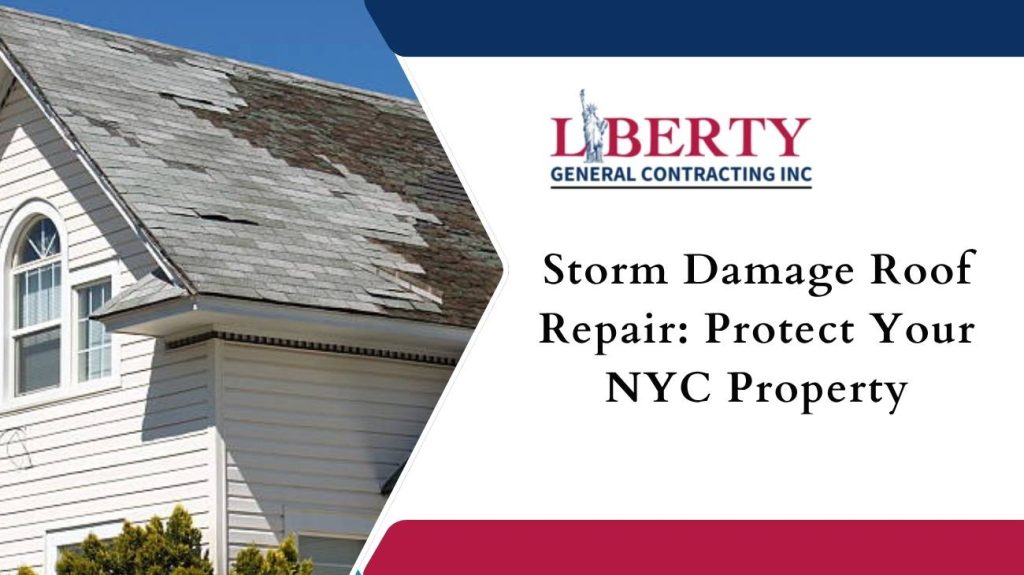
- Missing, cracked, or curled shingles
- Dark spots or dents from hail impact
- Exposed underlayment or roof decking
- Damaged flashing around chimneys or vents
- Debris piled on the roof or in gutters
Interior Warning Signs
- Water stains on ceilings or walls
- Damp insulation in the attic
- Mold or mildew smells
- Peeling paint or bubbling drywall
If you notice any of these signs after a storm, it’s time to schedule a roof inspection.
Why Immediate Roof Repair Matters After a Storm
Delaying storm damage roof repair can lead to serious consequences. A small opening in your roof allows water to seep in, which can damage insulation, weaken structural components, and encourage mold growth.
Prompt roof repair helps:
- Prevent interior water damage
- Protect attic insulation and ventilation
- Maintain energy efficiency
- Preserve the lifespan of your roof
- Avoid more costly repairs later
Addressing damage early is always more affordable than waiting.
Types of Storm Damage Roof Repair
Not all storm damage requires the same solution. The type of repair depends on the severity of the damage and the roofing material.
Minor Roof Repairs
These are suitable when damage is limited and localized:
- Replacing missing or cracked shingles
- Resealing flashing
- Repairing small leaks
- Securing loose roofing materials
Major Roof Repairs
More extensive damage may require:
- Partial roof replacement
- Repairing damaged roof decking
- Replacing underlayment
- Structural reinforcement
A professional assessment helps determine the right approach.
Emergency Roof Repair After a Storm
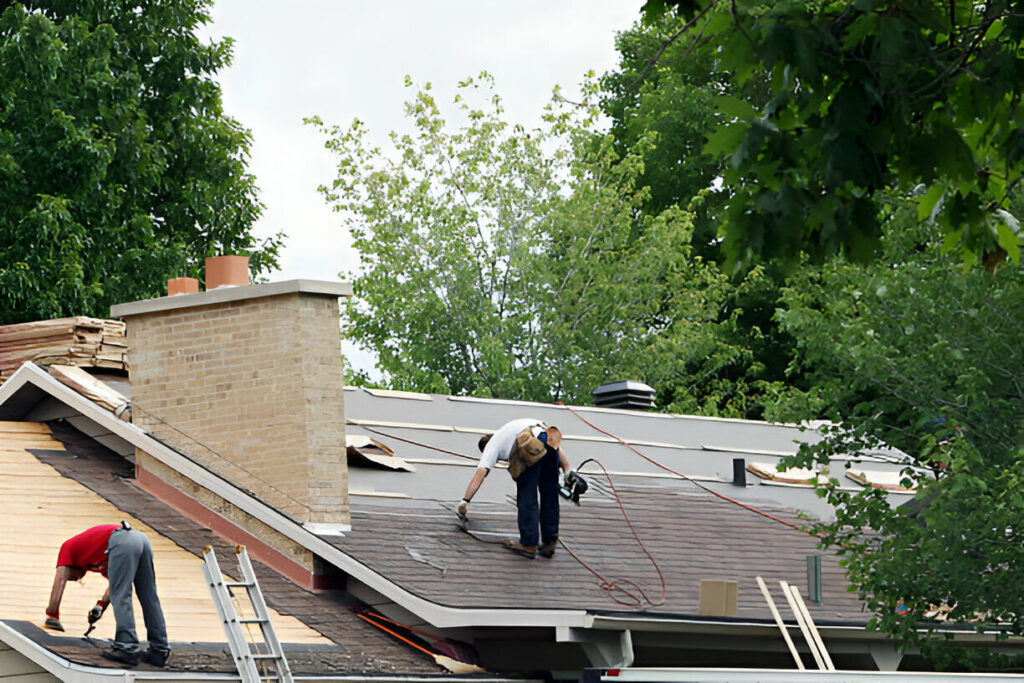
When storms cause immediate leaks or exposed areas, emergency roof repair is often necessary. Temporary solutions such as roof tarping are used to prevent further water intrusion until permanent repairs can be completed.
Emergency storm damage roof repair typically includes:
- Installing protective tarps
- Sealing active leaks
- Removing dangerous debris
- Stabilizing damaged areas
These temporary measures protect your home while you plan full repairs.
Storm Damage Roof Repair and Insurance Claims
Storm-related roof damage is often covered by homeowners insurance, but documentation is key.
Steps to Take Before Filing a Claim
- Inspect your roof safely from the ground
- Take photos and videos of visible damage
- Document interior water damage
- Schedule a professional roof inspection
Working With Insurance Adjusters
A licensed roofing contractor can:
- Provide a detailed damage report
- Meet with the insurance adjuster
- Ensure all storm-related damage is properly identified
This helps prevent underpayment or missed repairs.
Professional Inspection vs DIY Assessment
While homeowners can spot obvious issues, storm damage roof repair should always involve a professional inspection. Roofers know where damage hides and how storms affect different roofing systems.
Why Professional Inspections Matter
- Hidden hail damage may not be visible
- Wind damage can loosen shingles without removing them
- Improper DIY repairs can void warranties
- Safety risks are reduced
A professional evaluation ensures nothing is overlooked.
Choosing the Right Contractor for Storm Damage Roof Repair
Not all roofing contractors are equal, especially after a major storm when scams are common.
What to Look for in a Contractor
- Licensed and insured professionals
- Local experience with storm damage
- Clear estimates and written contracts
- Strong reviews and references
- Warranty on workmanship
Avoid contractors who pressure you into quick decisions or demand full payment upfront.
Preventing Future Storm Damage
While no roof is storm-proof, proactive maintenance reduces the risk of severe damage.
Preventive Measures
- Schedule regular roof inspections
- Replace aging or damaged shingles
- Keep gutters clean and clear
- Trim overhanging tree branches
- Ensure proper attic ventilation
Routine maintenance strengthens your roof before the next storm hits.
How Long Does Storm Damage Roof Repair Take?
Repair timelines depend on the extent of damage, material availability, and weather conditions.
- Minor repairs: 1–2 days
- Moderate repairs: Several days
- Major repairs or replacements: One to two weeks
Your contractor can provide a realistic timeline after inspection.
Cost Factors for Storm Damage Roof Repair
Several factors influence repair costs:
- Extent of damage
- Roofing material type
- Labor requirements
- Roof size and slope
- Emergency service needs
Insurance coverage may significantly reduce out-of-pocket expenses.
Final Thoughts on Storm Damage Roof Repair
Storm damage roof repair is about more than fixing shingles—it’s about safeguarding your home, your investment, and your peace of mind. Storms can cause damage that isn’t always visible, and delaying repairs only increases the risk of long-term issues. By recognizing warning signs, acting quickly, and working with experienced professionals, you can restore your roof and protect your home from future storms.
If your area has recently experienced severe weather, scheduling a professional roof inspection is the smartest first step toward ensuring your home remains safe, dry, and secure.
Contact Liberty GCNY
Website: www.libertygcny.com
Phone: (347) 682-9840
Serving: Manhattan, Brooklyn, Queens, The Bronx, Westchester County, and Long Island.
Address:110-14 178th St, Jamaica, NY