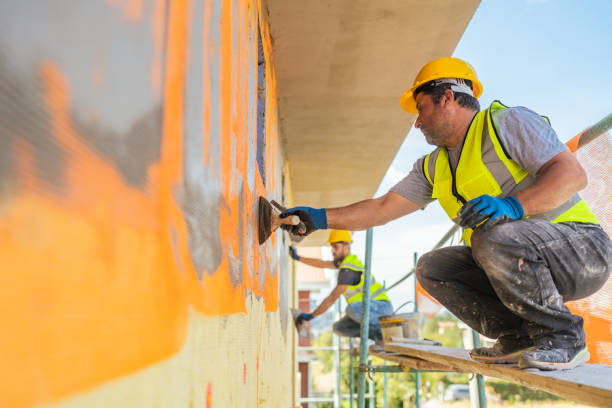
Flat roofs are one of the most common roofing choices for residential and commercial buildings throughout New York City. Their practical design, space efficiency, and durability make them especially popular for urban properties.
Understanding different flat roof systems helps property owners choose the right roofing solution based on budget, building type, energy efficiency, and long-term performance.
Choosing the right flat roof systems can improve durability, energy efficiency, and long-term protection for your property.
What Are Flat Roof Systems?
Flat roof systems are roofing designs created for roofs with very low slopes. Although they appear completely flat, these roofs are built with a slight pitch to allow proper water drainage.
A complete flat roofing system usually includes:
- Structural roof deck
- Insulation layer
- Waterproof membrane
- Flashing components
- Drainage system
- Protective surface layer
Each part works together to protect the building from weather, moisture, and temperature changes.

Why Are Flat Roofs Popular in NYC?
Flat roofs are commonly found throughout NYC because they work well with urban architecture.
Benefits include:
- Efficient use of building space
- Easier maintenance access
- Modern appearance
- Suitable for commercial buildings
- Ability to support rooftop equipment
Many property owners also use flat roofs for outdoor areas, solar panels, and mechanical systems.
Different Types of Flat Roof Systems
Choosing the right roofing system depends on building requirements, climate conditions, and budget.
Below are the most common options.
Modified Bitumen Roofing System
Modified bitumen is one of the most widely used flat roofing materials.
It is an asphalt-based roofing system reinforced for additional strength and flexibility.
Benefits include:
- Excellent waterproofing
- Strong durability
- Weather resistance
- Reliable performance
Modified bitumen works well for many residential and commercial properties.
EPDM Rubber Roofing System
EPDM is a synthetic rubber membrane commonly used for flat roofs.
It is known for flexibility and long-term performance.
Advantages include:
- Cost-effective installation
- Strong weather resistance
- Lightweight material
- Long lifespan
EPDM roofing is often chosen for large roof areas because of its efficiency.
TPO Flat Roofing System
TPO roofing has become increasingly popular because of its energy-efficient properties.
This single-ply membrane provides:
- Heat reflection
- Strong waterproofing
- UV resistance
- Modern performance
TPO is commonly used on commercial buildings but can also work for residential properties.
PVC Roofing System
PVC roofing is another single-ply membrane option.
It offers:
- Strong durability
- Chemical resistance
- Energy efficiency
- Long-lasting protection
PVC is often used where stronger resistance is required.
Built-Up Roofing System (BUR)
Built-up roofing is a traditional flat roof method that has been used for many years.
It consists of multiple layers of:
- Asphalt
- Reinforcement materials
- Protective surfaces
Benefits include:
- Strong protection
- Multiple waterproof layers
- Proven performance
BUR systems are commonly found on older commercial buildings.
Which Flat Roof System Is Best?
There is no single best option for every building.
The right choice depends on:
- Building type
- Budget
- Energy goals
- Roof usage
- Maintenance needs
For example:
EPDM may be ideal for affordability.
TPO may be better for energy efficiency.
Modified bitumen may be preferred for durability.
A professional inspection helps determine the best solution.
How Long Do Flat Roof Systems Last?
The lifespan depends on materials and maintenance.
Average lifespan:
- Modified Bitumen: 15–25 years
- EPDM: 20–30 years
- TPO: 20–30 years
- PVC: 20–30+ years
- Built-Up Roofing: 20–30 years
Proper installation plays a major role in long-term performance.
Flat Roof Installation Process
Professional installation includes several steps.
Roof Inspection
The existing structure is inspected for:
- Damage
- Moisture problems
- Drainage issues
- Structural concerns
Surface Preparation
Before installation:
- Old materials may be removed
- Damaged areas are repaired
- The surface is cleaned
Membrane Installation
The selected roofing material is installed and properly sealed.
Final Waterproofing
Edges, seams, and flashing areas are secured to prevent leaks.
Common Problems With Flat Roofs
Even quality roofing systems can develop problems over time.
Common issues include:
- Standing water
- Roof leaks
- Cracked membranes
- Poor drainage
- Blistering
- Flashing failure
Regular inspections help prevent small issues from becoming expensive repairs.
How to Maintain a Flat Roof System
Maintenance helps extend roof lifespan.
Recommended steps:
- Remove debris regularly
- Keep drains clear
- Inspect after storms
- Repair small damage quickly
- Schedule professional inspections
Preventive maintenance protects your investment.
Signs You Need a New Flat Roof System
Replacement may be needed when you notice:
- Frequent leaks
- Large damaged areas
- Aging materials
- Water pooling
- Interior stains
- Rising repair costs
Replacing a failing roof early can prevent structural damage.
Are Flat Roof Systems Worth It?
Flat roofs remain popular because they offer:
- Practical design
- Reliable protection
- Easy access
- Efficient space usage
- Multiple material options
When installed correctly, a quality roofing system can provide decades of protection.
Frequently Asked Questions
What are the most common flat roof systems?
The most common options include modified bitumen, EPDM, TPO, PVC, and built-up roofing systems.
Which flat roof system lasts the longest?
PVC, TPO, and EPDM systems can last 20–30 years or longer with proper maintenance.
Are flat roofs good for NYC buildings?
Yes. Flat roofs are widely used throughout NYC because they fit urban building designs and provide practical benefits.
How often should flat roofs be inspected?
A professional inspection is recommended at least once per year and after severe weather.
Can flat roofs be repaired?
Yes. Many leaks and damaged areas can be repaired if problems are found early.
Professional Flat Roof Services in NYC
Understanding different flat roof systems helps homeowners and property owners make informed decisions about roof installation, repairs, and future maintenance.
At Liberty GC NY, we provide professional flat roof installation, repair, and replacement services throughout NYC. Our experienced team helps property owners choose durable roofing solutions designed for New York weather conditions.
Contact Liberty GC NY today to schedule a roofing consultation and discuss the best option for your property.
Contact Us
Website: www.libertygcny.com
Phone: (347) 682-9840
Serving: Manhattan, Brooklyn, Queens, The Bronx, Westchester County, and Long Island.
Address: 110-14 178th St, Jamaica, NY