Wood siding types come in many styles, species, and finishes. Each one looks different. Each one lasts a different amount of time. And each one needs different care.
If you own a home in New York City or on Long Island, the right choice matters. Our weather is hard on wood. This guide explains the most common wood siding types in plain words.
Quick Answer: Which of the Wood Siding Types Is Best?
- Best for long life: cedar or redwood.
- Best for a classic look: clapboard or cedar shingles.
- Best for a modern look: board and batten or tongue and groove.
- Best for a lower price: pine, spruce, or fir. They need more upkeep.
- Best for low upkeep: engineered wood or wood-look fiber cement.
The best siding depends on your home, budget, and how much upkeep you want.
Why Do NYC Homeowners Choose Wood Siding?
Wood has a warm, natural look. It adds curb appeal. It also fits many home styles.
You see wood siding on:
- Frame homes in Queens and Brooklyn
- Older homes in the Bronx
- Townhouses and small buildings in Manhattan
- Cape and colonial homes across Long Island
Wood can be painted or stained. You can change the color later. That is a big plus.
Wood Siding Types by Style
The style is how the boards are shaped and placed. Here are the most common wood siding types by style.
1. Clapboards Siding
Boards overlap in long horizontal rows. The top edge is thinner than the bottom edge.
This style is classic. It is also one of the easiest to install.
Best for: colonial, cape, and traditional homes.
2. Shiplap Siding
Boards fit together with a small groove. The joint is tight and neat.
Best for: clean, simple looks.
3. Tongue and Groove Siding
One edge slides into the next. The boards lock together.
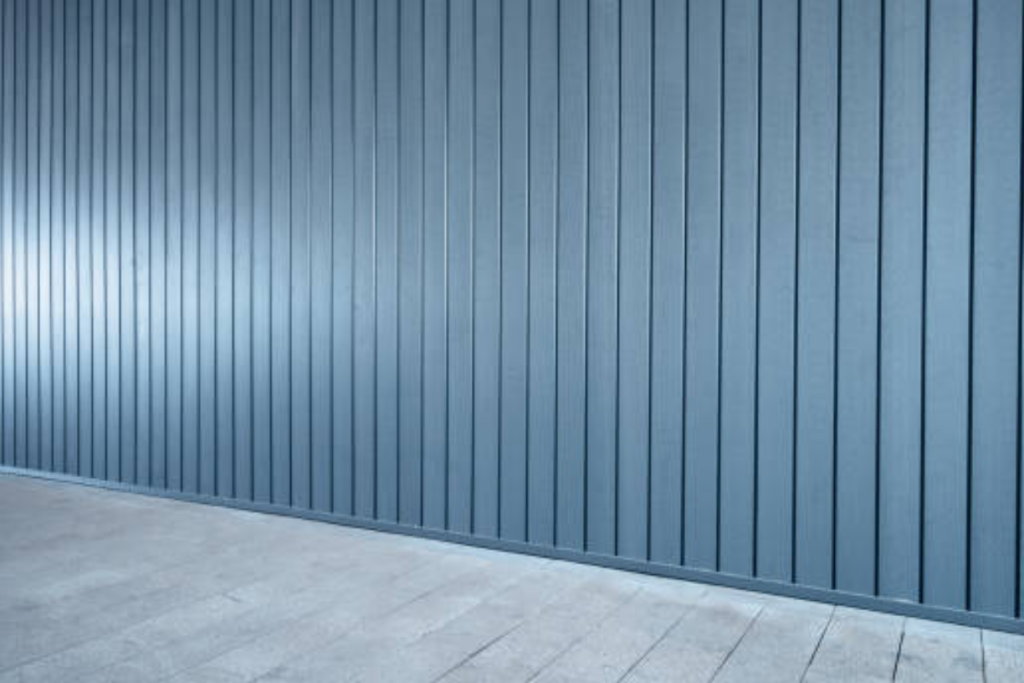
It makes a smooth wall. It can run horizontal or vertical.
Best for: modern or cottage styles.

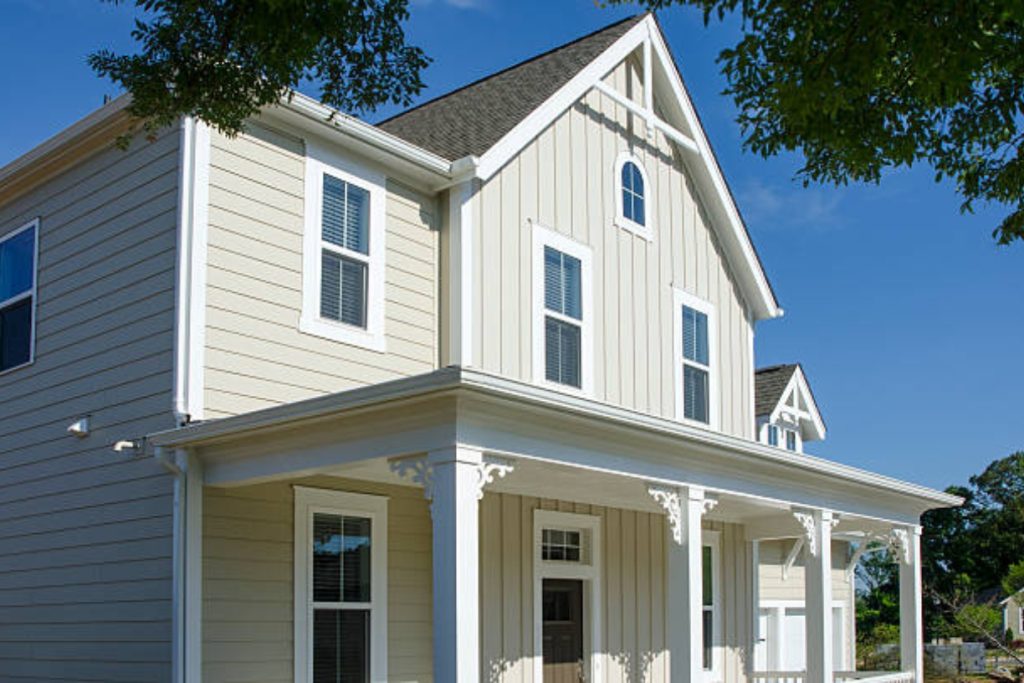
4. Board and Batten Siding
Wide boards run up and down. Thin strips, called battens, cover the seams.
The look is bold. Install costs can run higher than other styles.
Best for: farmhouse and modern homes.
5. Wood Shingles and Shakes
These are small, separate pieces of wood. Shingles are smooth and even. Shakes are thicker and more rustic.
Shingles create a rich, textured wall. They are common on older homes and Long Island coastal homes.
Best for: cottages, capes, and historic looks.
6. Wood Panel Siding
Large sheets cover more wall at once. They can look like board and batten or grooved boards.
Install is fast. The look is simpler.
Best for: garages, sheds, and budget jobs.
Wood Siding Types by Species: Which Wood Should You Pick?
The species is the type of tree. It affects price, strength, and upkeep.
| Wood | Rot resistance | Upkeep | Cost | Best for |
|---|---|---|---|---|
| Cedar | High | Medium | Higher | Most NYC homes |
| Redwood | High | Medium | Highest | Premium projects |
| Cypress | High | Medium | Medium to high | Humid areas |
| Pine | Low | High | Lower | Budget projects |
| Spruce | Low | High | Lower | Painted siding |
| Fir | Low to medium | High | Lower | Painted siding |
Cedar
Cedar is the top pick for many homeowners. It resists rot and bugs well. It also looks great.
Redwood
Redwood is also strong against bugs and decay. It costs more.
Pine, Spruce, and Fir
These woods cost less. But they do not resist rot well. You must seal and paint them often.
Hardwoods and Treated Woods
Some woods are very dense and last long. Some are heat-treated to resist rot. They can cost more and need skilled installers.
Natural Wood vs Engineered Wood vs Fiber Cement
Not all wood siding types are solid wood.
- Natural wood is 100% wood. It has the best look. It needs the most care.
- Engineered wood is made from wood fibers and resin. It costs less and resists rot better.
- Fiber cement is made from cement, sand, and wood fiber. It can look like wood. It resists fire and bugs.
If you love the look of wood but want less upkeep, ask about these.
How Much Do Different Wood Siding Types Cost?
Most wood siding types costs about $6 to $16 per square foot installed. Premium wood and detailed styles can cost more.
NYC jobs often land in the higher range. Labor costs are higher. Access can be tight.
Here is an example for a 1,500 square foot area:
- Lower range: about $9,000
- Higher range: about $24,000 or more
These are rough estimates. Your price will depend on your home.
What Changes the Price?
- Wood species. Cedar costs more than pine.
- Style. Shingles and board and batten often cost more to install.
- Wood grade. Clear, knot-free wood costs more.
- Home height and shape. Tall or complex homes take more time.
- Old siding removal. Tear-off adds cost.
- Trim, flashing, and wall repairs. Rotted wood behind the siding adds work.
- Finish. Stain or paint adds cost.
Tip: ask for a written quote that lists every item.
Lifespan and Upkeep
Wood siding can last a long time. But only with care.
- Well-kept cedar siding often lasts 20 to 40 years.
- Cedar shingles can last even longer in some cases.
- Pine, spruce, and fir may need more repairs sooner.
Wood needs regular care. Plan to:
- Clean it once a year
- Check for cracks, gaps, and soft spots
- Re-stain or repaint every 3 to 5 years, or as the finish wears
Stain often needs more frequent touch-ups than paint. Painted wood may last longer between coats.
Stain vs Paint
Stain shows the wood grain. It fades faster in strong sun.
Paint hides the grain. It gives more color choices and can last longer between coats.
Always let new wood dry before you finish it.
Wood Siding and NYC Weather
Our weather is tough on wood. We get hot, humid summers. We also get freezing winters, rain, snow, and wind.
Moisture and Rot
Water is wood’s biggest enemy. It gets behind boards. It causes rot and mold.
Good flashing, trim, and a proper water barrier help a lot.
Freeze-Thaw
Water gets into small cracks and freezes. Then it expands. That can open gaps over time.
Sealed ends and good paint or stain help prevent this.
Sun and Heat
Strong sun fades stain and dries out wood. South and west walls may need care sooner.
Coastal Air on Long Island
Salt and wind can wear down finishes faster. Choose strong woods and tough finishes near the water.
Quick Guide by Area
- Brooklyn and Queens: Many attached or close homes. Careful flashing at shared walls matters.
- Bronx: Older homes may need wall repair before new siding goes on.
- Manhattan: Tight access and strict rules. Plan early.
- Long Island: More wind and coastal weather. Shingles and cedar are popular.
NYC Rules You Should Check First
Before you pick wood siding, check the rules.
- Fire and building code. Wood burns. NYC code can limit wood siding on some buildings, especially close to lot lines or on larger buildings.
- Landmark districts. If your home is in a historic district, you may need city approval for facade changes.
- Permits. Some siding jobs need a permit. Your contractor should know.
- Co-ops and condos. Your board may have its own rules.
Rules change. Ask your contractor to confirm what applies to your home.
Moisture Protection: The Hidden Part of Siding
Siding is only half of the system. What is behind it matters too.
A good job includes:
- Water-resistant barrier on the wall
- Flashing around windows, doors, and corners
- A small gap or rain screen so walls can dry
- Sealed cut ends on every board
- Proper caulk and trim
Skipping these steps leads to rot, even with great wood.
Tear Off vs Install Over Old Siding
It is best to remove old siding first. That lets the crew check the wall for rot, mold, and damage.
Installing over old siding can hide problems. It can also trap water.
Some thin wood shingles can go over old siding in rare cases. A contractor should inspect first.
Other Things Homeowners Ask About
Insulation and Energy Savings
New siding is a good time to add wall insulation or a house wrap. That can lower energy bills.
Pests
Cedar and redwood resist bugs better. Pine and fir need treatment and sealing.
Fire Safety
Wood can burn. Fiber cement and some treated products resist fire better.
Resale Value
Well-kept wood siding adds charm. Peeling paint or rot hurts value.
Insurance
Some insurers care about siding material and condition. Ask your agent.
How to Choose: Quick Checklist
| Your situation | Better fit |
|---|---|
| You want the longest wood life | Cedar or redwood |
| You want a classic, traditional look | Clapboard or cedar shingles |
| You want a modern look | Board and batten or tongue and groove |
| You have a tight budget | Pine, spruce, or fir, painted |
| You want less upkeep | Engineered wood or wood-look fiber cement |
| You live near the water | Cedar with a tough finish |
| You live in a historic district | Check city rules first |
There is no single best choice. The best siding fits your home, your budget, and your time.
Red Flags in Siding Quotes
Be careful if you see:
- No wood species or grade listed
- No mention of flashing or a water barrier
- No plan for rotted wood
- No finish details
- A price far below all others
- No license or insurance shown
Questions to Ask Your Siding Contractor
- What wood and grade will you use?
- Will you prime and seal all sides and cut ends?
- What water barrier and flashing will you install?
- Do I need a permit or city approval?
- What finish do you suggest, and how often will it need care?
- Can you show finished jobs near me?
What We See on NYC Homes
Many wood siding problems come from the same causes:
- Skipped sealing on cut ends
- Poor flashing around windows
- Paint or stain put on too late
- Gaps and caulk left to fail
- Siding installed over wet or rotted walls
Most of these are preventable.
Frequently Asked Questions
What are the most common wood siding types?
Clapboard, also called lap siding, is one of the most common. Cedar shingles are also very popular.
What is the best wood for siding?
Cedar is a top choice. It resists rot and bugs and looks great.
How long does wood siding last?
Well-kept cedar often lasts 20 to 40 years. Shingles can last longer. Care matters most.
How often should I paint or stain wood siding?
Usually every 3 to 5 years. It depends on sun, weather, and the finish.
Is wood siding expensive?
It costs more than vinyl. Most jobs fall between about $6 and $16 per square foot installed.
Is wood siding a good choice in NYC?
Yes, with good install and upkeep. Check fire, landmark, and co-op rules first.
Can I install wood siding over old siding?
Usually it is better to remove the old siding first. A contractor should inspect your walls.
What is a lower-upkeep option that looks like wood?
Engineered wood and wood-look fiber cement are good choices.
Get a Free Siding Estimate in NYC
Not sure which wood siding fits your home? We can help.
Liberty General Contracting serves homeowners in Manhattan, Brooklyn, Queens, the Bronx, and Long Island. We have 12+ years of experience.
We will check your walls, explain your options, and give a clear written quote.
Contact Liberty GCNY
Website: www.libertygcny.com
Phone: (347) 682-9840
Serving: Manhattan, Brooklyn, Queens, The Bronx, Westchester County, and Long Island.
Address:110-14 178th St, Jamaica, NY