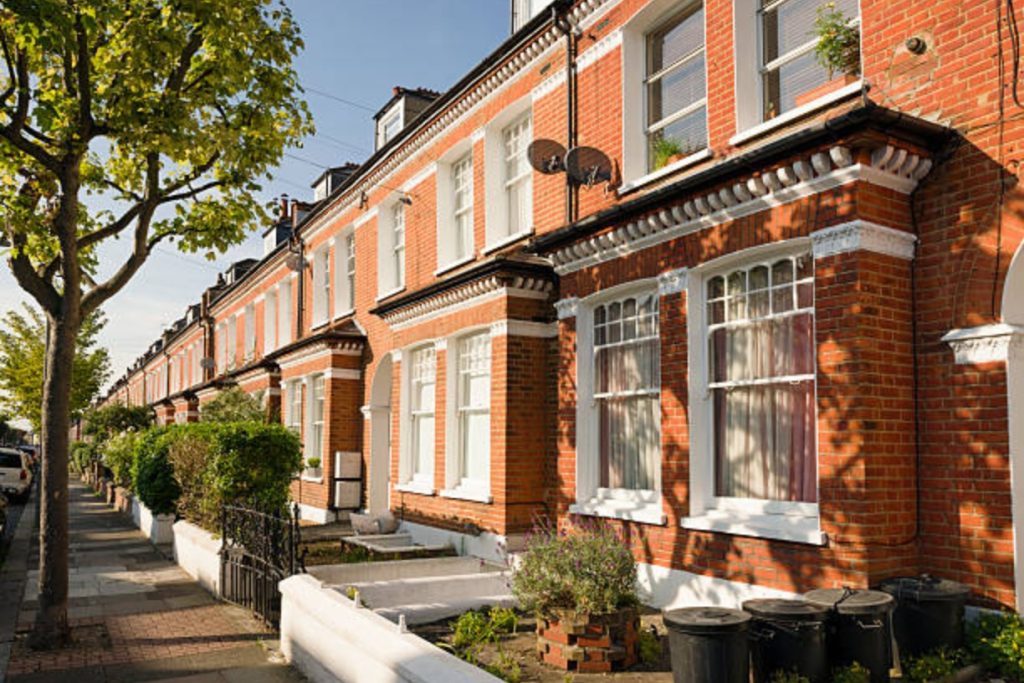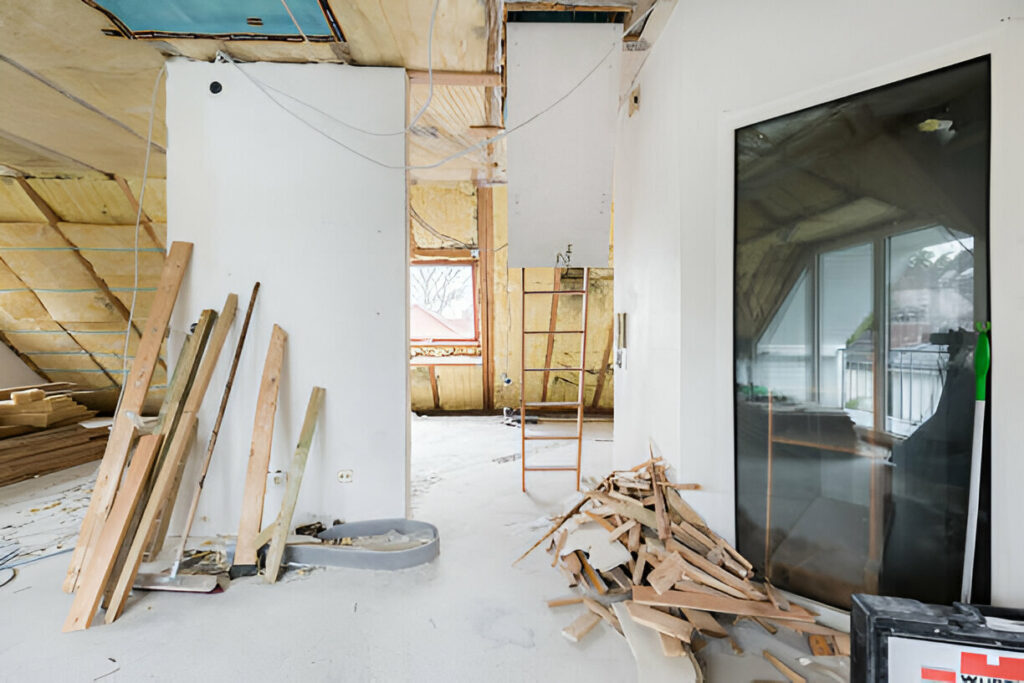
Eco-Friendly Home Renovations help homeowners reduce energy use, save water, limit construction waste, and create healthier living spaces. You do not need to rebuild your entire house to make a difference. Simple changes, such as improving insulation, choosing durable materials, and upgrading old fixtures, can make your home more efficient and comfortable.

The best green renovation projects focus on how your home works, not just how it looks. For example, sealing air leaks may improve comfort more than replacing windows that are still in good condition, these can be done by home remodeling service provided by contractors. Similarly, repairing existing cabinets can be a better choice than buying new ones when the old cabinets are still useful.
Whether you are planning a kitchen remodel, bathroom upgrade, or whole-home renovation, a thoughtful approach can help you balance environmental benefits with your budget.
This guide explains what sustainable home remodeling means, which improvements are worth considering, how to choose eco-friendly materials, and how to plan a renovation that delivers lasting value.
What Are Eco-Friendly Home Renovations?
Eco-friendly home renovations are improvements that reduce a home’s environmental impact while supporting comfort, safety, and efficient resource use.
These projects may reduce the amount of electricity and water your household uses, limit waste during construction, or improve indoor air quality by using suitable low-emission materials.
Common examples include:
- Adding insulation and sealing air leaks.
- Installing energy-efficient lighting and appliances.
- Choosing water-saving toilets, faucets, and showerheads.
- Reusing cabinets, doors, flooring, and other materials.
- Selecting durable products that need fewer replacements.
- Using paints and finishes with lower levels of harmful emissions.
- Improving heating, cooling, and ventilation systems.
A renovation does not have to include every green feature to be worthwhile. Start with the changes that address your home’s biggest problems, then consider additional upgrades as your budget allows.
Why Choose Sustainable Eco-Friendly Home Renovations?
A greener home can offer benefits beyond reducing environmental impact. The results depend on the improvements you choose, the condition of your property, and how efficiently the new systems operate.
1. Reduce Energy Waste
Air leaks, poor insulation, and inefficient equipment can make it harder to keep a home comfortable. Your heating or cooling system may need to work longer to maintain the temperature you want.
Sealing gaps, improving insulation, and upgrading inefficient equipment can reduce wasted energy. The U.S. Department of Energy identifies air sealing as a useful way to improve comfort, energy performance, and building durability.
2. Lower Water Use
Older toilets, faucets, and showerheads may use more water than necessary. Replacing them with suitable water-efficient models can reduce household water use without making everyday tasks less convenient.
Using less hot water can also reduce the energy required to heat it.
3. Improve Indoor Air Quality
Some paints, adhesives, sealants, and building materials release volatile organic compounds, also called VOCs. These chemicals can affect indoor air quality, particularly during and after Eco-Friendly Home Renovations work.
Choosing suitable low-emission products, controlling construction dust, and providing proper ventilation can help reduce exposure. However, a low-VOC label alone does not guarantee that a product contains no potentially harmful substances.
4. Reduce Construction Waste
Renovations can produce large amounts of waste when cabinets, doors, flooring, and other materials are removed.
Keeping usable materials in place, repairing damaged features, and donating suitable items can reduce what goes to landfills. Planning measurements carefully can also prevent unnecessary material waste.
5. Make Your Home More Comfortable
Green upgrades can address problems such as cold rooms, drafts, uneven temperatures, and poor ventilation.
The right combination of insulation, air sealing, shading, and ventilation can help create a more comfortable indoor environment throughout the year.
10 Eco-Friendly Home Renovation Ideas Worth Considering
The best improvements depend on your home’s age, location, energy use, and current condition. These ten ideas offer practical ways to make a renovation more sustainable.
1. Improve Insulation and Seal Air Leaks
Insulation slows heat transfer through walls, ceilings, floors, and roofs. Air sealing prevents unwanted drafts from moving through gaps around windows, doors, pipes, and other openings.
Together, these improvements can help maintain indoor temperatures and reduce the workload on heating and cooling equipment.
Before buying insulation, identify where your home loses the most energy. An energy assessment can help you choose the right areas to improve.
Important steps include:

- Sealing gaps around suitable window and door frames.
- Adding insulation where existing coverage is insufficient.
- Checking attic spaces and areas around pipes.
- Addressing moisture problems before covering walls.
- Maintaining appropriate ventilation after air sealing.
Do not seal every opening without checking its purpose. Homes with fuel-burning appliances or other special ventilation needs may require professional advice to maintain safe operation.
2. Choose Energy-Efficient Windows and Doors
Older or poorly fitted windows can contribute to drafts and heat loss. Modern Eco-Friendly Home Renovations use energy-efficient windows may improve comfort, particularly when existing windows are damaged or perform poorly.
However, replacing every window is not always the most sustainable or affordable choice. Repairing frames, replacing worn weatherstripping, and sealing suitable gaps may be enough to improve performance.
If replacement is necessary, compare window ratings, glazing options, frame materials, and suitability for your climate.
Doors can also benefit from better weatherstripping and door sweeps. These smaller improvements may help reduce drafts without requiring a full replacement.
3. Install Energy-Efficient Lighting and Appliances
Lighting and appliances affect how much electricity your home uses each day.
LED lights generally use less electricity than traditional incandescent bulbs and last longer. Replacing frequently used bulbs is a simple place to begin.
When buying appliances, compare their energy-use information rather than looking only at the purchase price. Refrigerators, dishwashers, washing machines, and heating or cooling equipment can differ significantly in operating costs.
You can also consider smart controls or programmable thermostats where suitable. These allow you to adjust temperature settings based on your schedule instead of heating or cooling an empty home unnecessarily.
4. Use Water-Saving Fixtures
Water-efficient fixtures help reduce water use in kitchens, bathrooms, and laundry areas.
Options include for Eco-Friendly Home Renovations low-flow showerheads, efficient toilets, and faucets with suitable flow rates. Look for reliable performance information and recognized efficiency labels where available.
During a bathroom renovation, you can also consider:
- Repairing leaking taps and pipes.
- Installing a dual-flush toilet where appropriate.
- Choosing a shower system that meets your household’s needs.
- Improving access to shutoff valves for easier repairs.
Avoid choosing fixtures based on water savings alone. They should also suit your plumbing system, provide adequate performance, and meet local requirements.
5. Select Sustainable Building Materials
Building materials differ in how they are produced, transported, maintained, and disposed of. Choosing products carefully can help reduce waste and support longer-lasting renovations.
Consider reclaimed wood, recycled-content materials, responsibly sourced timber, and products made close to the project site when they meet your needs.
For flooring and interior finishes, compare durability, maintenance requirements, and indoor emissions.
Examples include:
- Reclaimed wood for selected furniture or decorative features.
- Durable tile in areas exposed to moisture.
- Recycled-content materials where performance is suitable.
- Responsibly sourced wood for cabinets and trim.
- Long-lasting countertops that do not require frequent replacement.
No material is automatically the most sustainable in every situation. A product that lasts longer and needs little maintenance may be a better choice than one that requires frequent replacement, even if the first product costs more.
6. Choose Low-Emission Paints and Finishes
Paints, adhesives, sealants, and finishes can affect indoor air quality during renovation.
Low-VOC or zero-VOC paints may reduce certain emissions, but you should still check product specifications and follow the manufacturer’s instructions.
For a greener painting project:
- Choose products designed for the surface and room.
- Review the product’s emissions and safety information.
- Use durable finishes that will not need frequent repainting.
- Keep the work area ventilated as directed.
- Store and dispose of leftover products properly.
If your home was built before 1978 in the United States, older paint may contain lead. Do not sand or disturb it without appropriate precautions and qualified help. Suspected asbestos materials also require professional assessment before disturbance.
7. Renovate Your Kitchen With Less Waste
A kitchen renovation does not always require removing every existing cabinet and surface.

If your cabinets are structurally sound, repainting or refinishing them may provide a fresh appearance without the waste and cost of complete replacement. You could also replace damaged doors, improve drawer storage, or update handles and lighting.
If you need new cabinets, compare durable materials, low-emission finishes, and construction quality.
Other practical changes include installing efficient appliances, choosing long-lasting countertops, and planning storage carefully to reduce unused space.
Before demolition, decide which items can be reused, donated, or recycled. This makes waste reduction part of the plan rather than an afterthought.
8. Make Your Bathroom More Sustainable

Bathrooms offer several opportunities to save water and improve durability.
Efficient toilets, showerheads, and faucets can reduce water use. Long-lasting tiles, properly installed waterproofing, and good ventilation can help prevent moisture damage and early replacement.
You can also reuse a suitable vanity or storage cabinet instead of replacing it solely for appearance.
Avoid covering mold or moisture damage with new finishes. Find and fix the cause first, whether it is a leaking pipe, failed seal, or poor ventilation. Otherwise, the new materials may also become damaged.
9. Consider Solar Energy When It Makes Sense
Solar panels allow a home to generate electricity from sunlight. They may reduce the amount of electricity purchased from the grid, depending on system size, sunlight, electricity rates, and local rules.
Before installation, check the roof’s condition, available sunlight, and expected energy use. A roof that needs replacement may be better repaired before panels are installed.
Ask qualified installers to explain system costs, maintenance, expected output, and any battery storage options.
Solar is not the first step for every homeowner. Reducing energy waste through insulation, air sealing, and efficient equipment may be a sensible priority before investing in renewable energy.
10. Reuse, Repair, and Recycle Materials
One of the simplest sustainable renovation practices is keeping useful materials out of the waste stream.
For Eco-Friendly Home Renovations you may be able to reuse doors, cabinets, hardwood flooring, bricks, light fixtures, or furniture, depending on their condition and the project’s design.
Plan carefully before demolition so that reusable items can be removed without unnecessary damage.
You can also ask your contractor about separating recyclable waste and donating usable materials. Avoid reusing items that are unsafe, contaminated, structurally damaged, or unsuitable for their intended purpose.
How to Choose Material for Eco-Friendly Home Renovations
Material selection can feel confusing because many products are marketed as green or sustainable. A useful approach is to compare the full life of the product rather than relying on a single label.
Ask these questions before making a purchase:
- How long will it last? Durable materials may reduce the need for future replacement.
- Does it release indoor pollutants? Review emissions information for paints, adhesives, flooring, and cabinets.
- Can it be repaired? Repairable products may create less waste over time.
- Does it require special maintenance? Consider the water, cleaning products, and effort needed to keep it in good condition.
- Can it be reused or recycled? Check whether local facilities accept the material.
- Is the product suitable for its location? Moisture-prone rooms, exterior walls, and high-traffic floors need materials suited to those conditions.
A responsible choice balances environmental impact, safety, performance, and cost. Avoid paying extra for a product solely because it is labeled eco-friendly without checking its actual features.
How Much Do Eco-Friendly Home Renovations Cost?
The cost depends on the type of upgrade, the size of your home, labor rates, product quality, and any repairs required.
Some improvements, such as replacing bulbs or sealing small gaps, may be relatively inexpensive. Others, including window replacement, major insulation work, and solar installation, may require a larger investment.
| Renovation | Relative cost | Potential benefit |
|---|---|---|
| LED lighting | Low | Reduced electricity use |
| Weatherstripping and basic air sealing | Low | Fewer drafts |
| Low-flow fixtures | Low to moderate | Reduced water use |
| Low-emission paint | Low to moderate | Lower emissions from suitable products |
| Insulation upgrades | Moderate | Better temperature control |
| Efficient windows | Moderate to high | Improved comfort and energy performance |
| Energy-efficient appliances | Moderate to high | Lower operating energy use |
| Solar panels | High | On-site electricity generation |
These are general cost categories, not price quotes. The actual cost will depend on the product and the work required.
How to Get More Value From Your Budget
Start with the problems that affect your home most. If rooms are drafty, investigate air leaks before investing in cosmetic upgrades. If water bills are high, check for leaks and inefficient fixtures.
Request itemized estimates for larger projects and compare the expected operating costs of different products. Do not assume the most expensive option will provide the best savings.
You should also check current local incentives before planning around a tax credit or rebate. Eligibility rules, available programs, and deadlines can change, so confirm the details with the relevant government agency or utility.
How to Plan a Sustainable Renovation Step by Step
A clear plan for Eco-Friendly Home Renovations helps you avoid waste, control costs, and select improvements that work together.
Step 1: Assess your home. Identify drafts, moisture problems, outdated equipment, high water use, and materials that need repair.
Step 2: Set priorities. Separate urgent repairs from optional upgrades. Fix leaks and safety problems before installing new finishes.
Step 3: Set a budget. Include materials, labor, permits, waste removal, and a reserve for unexpected repairs.
Step 4: Choose suitable products. Compare durability, energy performance, water use, emissions, and maintenance needs.
Step 5: Find a qualified contractor. Look for relevant experience, required licensing, insurance, references, and a clear written estimate.
Step 6: Plan waste reduction. Identify items that can be kept, donated, recycled, or reused before demolition begins.
Step 7: Check the finished work. Confirm that equipment works correctly, materials are installed according to instructions, and the renovation meets applicable requirements.
Common Mistakes to Avoid
Even an Eco-Friendly Home Renovations with good environmental goals can waste money if it is poorly planned.
- Replacing items that still work: Repairing or upgrading existing features may be more practical than removing them.
- Choosing products by label alone: Check real performance, durability, and emissions information.
- Ignoring air quality: Use proper dust control and ventilation during construction.
- Covering moisture problems: Fix leaks and water damage before adding insulation or new finishes.
- Upgrading windows without assessing air leaks: Other improvements may provide better value first.
- Forgetting maintenance: A poorly maintained system may not perform as expected.
- Assuming savings are guaranteed: Actual results depend on the home, household habits, local energy prices, and installation quality.
The most successful projects address the home’s actual needs rather than following trends.
Frequently Asked Questions
What is the most affordable Eco-Friendly Home Renovations?
LED lighting, fixing leaks, installing weatherstripping, and reducing unnecessary water use are often affordable starting points. The best choice depends on your home’s current condition and where it wastes the most resources.
Do sustainable renovations save money?
They can reduce energy, water, and maintenance costs, but savings vary. Consider the upfront price, expected lifespan, operating costs, and installation quality before deciding whether an upgrade is worth the investment.
Are eco-friendly building materials always more expensive?
No. Some sustainable products cost more upfront, while others are competitively priced. Reusing existing materials can also reduce purchasing and disposal costs.
Can I make an older home more energy-efficient?
Yes. Many older homes can benefit from air sealing, insulation improvements, efficient lighting, and suitable equipment upgrades. However, older wiring, moisture problems, lead paint, or asbestos may need professional attention before work begins.
Should I renovate the whole home at once?
Not necessarily. You can complete improvements in stages, beginning with urgent repairs and the upgrades likely to provide the greatest benefit. A long-term plan can help you coordinate work and avoid doing the same job twice.
What makes a renovation genuinely sustainable?
A sustainable project considers energy and water use, material durability, indoor air quality, waste reduction, maintenance, and the home’s long-term performance. It should also meet safety requirements and suit the people who live there.
Final Thoughts
Eco-friendly renovations is about making thoughtful improvements that reduce waste, use resources more efficiently, and create a comfortable home. You can start with small changes, such as sealing air leaks and replacing inefficient fixtures, or plan larger projects involving insulation, sustainable materials, and energy-efficient equipment.
The key is to assess what an eco-friendly home renovations needs before spending money. Choose durable products, repair existing features when practical, and work with qualified professionals when a project involves structural changes, electrical systems, plumbing, or potentially hazardous materials.
With a clear plan, you can make improvements that support your household today while reducing unnecessary resource use over time.
Contact Liberty GCNY
Website: www.libertygcny.com
Phone: (347) 682-9840
Serving: Manhattan, Brooklyn, Queens, The Bronx, Westchester County, and Long Island.
Address:110-14 178th St, Jamaica, NY