Renovating a home in New York City is exciting, but figuring out how much the project will cost can be one of the hardest parts of getting started. You may have a general idea of what you want—a new kitchen, a finished basement, an additional bathroom, or a complete renovation—but turning that idea into a realistic budget requires looking at much more than square footage.
So, how much does a home renovation cost in NYC?
There is no single price that applies to every home. A small cosmetic update can be relatively straightforward, while a full renovation involving structural changes, plumbing, electrical work, new finishes, and permits can become a much larger investment.
The condition of the property, the scope of the renovation, the materials you select, and the complexity of the work all play a role in the final cost.
This guide explains the major factors that affect home renovation costs in NYC and what you should consider before setting your budget.
How Much Does Home Renovation Cost in NYC?
Home renovation costs can vary widely depending on the size and condition of the property and the type of work being performed.
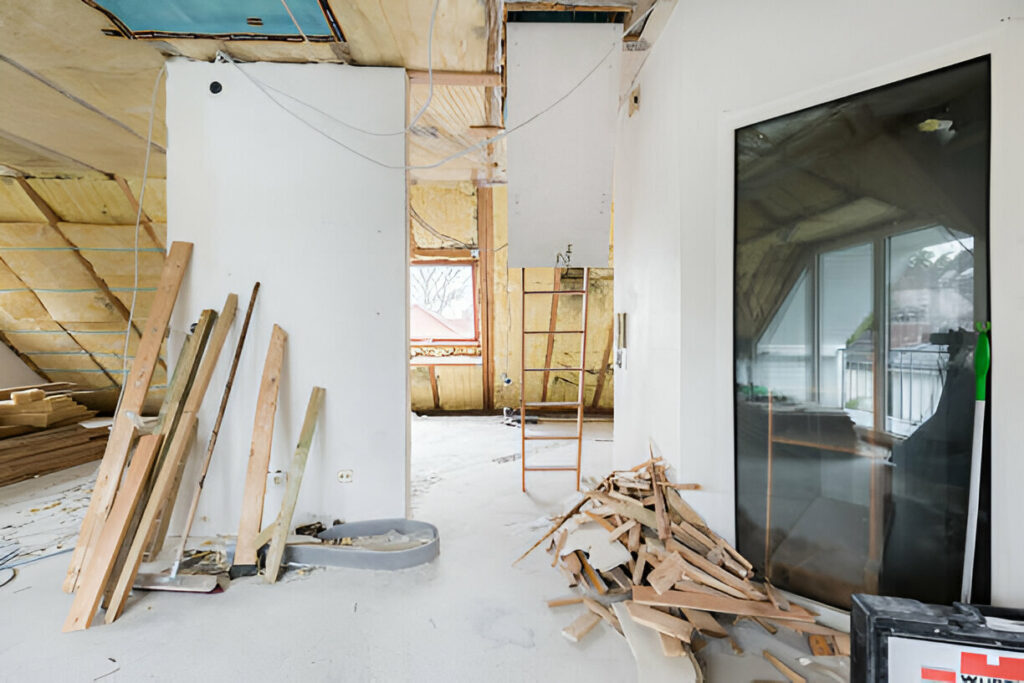
A basic renovation may focus mainly on cosmetic improvements such as painting, flooring, fixtures, and finishes. A more extensive renovation could involve opening walls, replacing outdated plumbing or electrical systems, remodeling kitchens and bathrooms, changing the layout, or adding new living space.
For that reason, it is usually better to think about renovation costs in terms of project scope rather than one average price.
Two homes with the same square footage can have completely different renovation budgets. One might be in good condition and only need updated finishes, while another may require structural repairs, new mechanical systems, waterproofing, or extensive masonry work.
What Is Included in a Home Renovation?
Before estimating the cost of a renovation, it helps to understand what the project may actually involve.
Depending on your goals, a home renovation may include:
- Demolition and removal of existing materials
- Structural modifications
- Plumbing upgrades
- Electrical work
- Heating and cooling improvements
- Insulation
- Drywall and ceiling work
- Flooring
- Kitchen remodeling
- Bathroom remodeling
- Doors and windows
- Painting and finishing
- Roofing or exterior repairs
- Siding or stucco work
- Masonry repairs
- Waterproofing
Not every renovation requires all of these services. The more extensive the scope, however, the more factors need to be considered when creating a budget.
The Biggest Factors That Affect Renovation Cost
1. Size of the Property
The size of your home naturally affects the amount of labor and material required. Renovating an entire 3,000-square-foot home will generally involve more work than updating a single 800-square-foot apartment.
However, size is only one part of the equation.
A smaller home with complicated structural or plumbing requirements can sometimes cost more per square foot than a larger property with a straightforward layout.
2. Existing Condition of the Home
The condition of the property is one of the biggest factors homeowners often overlook.
Older NYC homes can have problems that aren’t immediately visible. Once walls, floors, or ceilings are opened, contractors may discover outdated wiring, damaged plumbing, moisture problems, deteriorated framing, or other issues that need attention.
This is why a realistic renovation budget should leave room for unexpected conditions.
Addressing these problems during the renovation can be far more practical than completing cosmetic work and leaving underlying issues unresolved.
3. Structural Changes
Changing the layout of a home can significantly affect the cost.
Removing or modifying walls, reinforcing structures, changing floor plans, or creating new openings can require additional labor, engineering, and permitting.
If you’re considering an open-concept kitchen, a new room, or a major layout change, discuss the structural requirements before finalizing your budget.
4. Kitchen and Bathroom Renovations
Kitchens and bathrooms are often among the more expensive areas to renovate because they involve several different systems and materials.
A bathroom renovation may include:
- Plumbing
- Waterproofing
- Tile
- Flooring
- Fixtures
- Lighting
- Ventilation
- Cabinets or vanities
Kitchen renovations can involve even more components, including cabinetry, countertops, appliances, plumbing, electrical work, lighting, flooring, and finishes.
The materials you choose can also make a major difference in the final cost.
5. Plumbing and Electrical Work
Renovation is often the right time to address outdated plumbing and electrical systems.
If your home has older infrastructure, bringing those systems up to current requirements can add to the project cost—but it can also help prevent future problems.
Moving plumbing fixtures or adding electrical circuits usually requires more work than simply replacing existing fixtures in the same locations.
6. Materials and Finishes
Your material selections can have a major impact on your renovation budget.
For example, flooring, countertops, cabinets, tile, fixtures, doors, and lighting are available at many different price points.
A practical approach is to decide where quality and durability matter most and where a more economical option may make sense.
The goal isn’t necessarily to choose the most expensive materials. It’s to choose materials that fit the home’s needs, your design preferences, and your long-term plans.
Home Renovation Cost by Project Type
Different renovation projects come with different cost considerations.
Whole-Home Renovation
A whole-home renovation may include several rooms and multiple construction systems. Depending on the scope, this can involve demolition, structural work, plumbing, electrical, flooring, kitchens, bathrooms, painting, and finishing.
Kitchen Renovation
Kitchen costs depend heavily on the size of the kitchen, cabinetry, countertops, appliances, plumbing, electrical work, flooring, and finish selections.
Bathroom Renovation
Bathroom renovations can become more complex when plumbing is relocated or waterproofing and underlying repairs are required.
Basement Renovation
Basement projects may involve more than simply adding finished walls and flooring. Moisture control, drainage, insulation, electrical work, heating, and ventilation may all need to be considered.
Home Addition
Adding space to a home can involve structural work, foundation construction, roofing, siding, windows, insulation, plumbing, electrical systems, and interior finishes.
Because of the number of trades involved, additions require careful planning before construction begins.
Renovation Cost Per Square Foot: Is It Useful?
You’ve probably seen renovation costs quoted on a per-square-foot basis.
This can be useful when you’re trying to establish an initial budget, but it shouldn’t be treated as a guaranteed project price.
For example, two 1,500-square-foot homes may have completely different renovation requirements.
One may need new finishes throughout an otherwise sound property. The other might require plumbing replacement, electrical upgrades, structural changes, waterproofing, and extensive repairs.
A contractor should look at the actual property and scope of work before providing a detailed estimate.
Don’t Forget NYC Renovation Permits
Permits and regulatory requirements can also affect the cost and timeline of a renovation.
The requirements depend on the type of work being performed. Structural alterations, plumbing, electrical work, additions, and other major changes may involve specific approvals or licensed professionals.
Apartment renovations can also involve building management requirements in addition to city requirements.
Before construction begins, homeowners should understand which approvals are necessary for their particular project.
For this reason, permit planning should be part of the renovation conversation from the beginning—not something considered after the design is already finalized.
How Much Should You Set Aside for Unexpected Costs?
Even with careful planning, renovation projects can uncover conditions that weren’t visible before construction began.
This is particularly important when renovating older properties.
You might discover:
- Water damage
- Deteriorated masonry
- Old plumbing
- Outdated electrical systems
- Structural problems
- Hidden moisture
- Damaged framing
Having a contingency in your renovation budget can give you more flexibility if something unexpected comes up.
The exact amount depends on the age, condition, and complexity of the property, so it’s best to discuss this with your contractor rather than relying on a one-size-fits-all number.
How to Keep Your Home Renovation Budget Under Control
Renovating doesn’t mean you have to choose the cheapest option for everything.
There are several ways to manage costs while still getting a quality result.
Keep the Existing Layout When Possible
Moving kitchens, bathrooms, plumbing, and structural walls can add significant work.
If the existing layout works for your needs, keeping major systems in their current locations may help control costs.
Choose Materials Before Construction
Last-minute material changes can create delays and unexpected expenses.
Selecting major finishes early gives your contractor a clearer idea of what needs to be ordered and installed.
Plan Before Demolition Begins
A detailed plan can help reduce costly changes during construction.
It’s much easier to make decisions on paper than after walls have already been opened or materials have been installed.
Fix Underlying Problems First
If there is a moisture, structural, plumbing, or electrical problem, address it before investing heavily in cosmetic improvements.
A beautiful renovation won’t solve a problem that is happening behind the walls.
How to Get an Accurate Home Renovation Estimate
One of the best ways to avoid surprises is to get a detailed estimate based on the actual property and scope of work.
Before requesting an estimate, make a list of what you want to change.
Then discuss:
- Which rooms are being renovated
- Whether the layout will change
- Material preferences
- Plumbing and electrical requirements
- Structural changes
- Permit requirements
- Expected timeline
- Potential hidden conditions
- What is included and excluded from the estimate
When comparing contractors, don’t look only at the final number.
A lower estimate may not include the same materials, preparation, labor, or scope as another proposal. Comparing the details can give you a much better understanding of what you’re actually paying for.
Is Renovating a NYC Home Worth the Cost?
For many homeowners, renovation is about more than improving appearance.
A well-planned renovation can make a home more functional, comfortable, durable, and suited to the way you actually live.
It can also provide an opportunity to address aging systems and maintenance issues before they become larger problems.
The value of a renovation ultimately depends on the property, the quality of the work, the materials used, and the improvements being made.
Final Thoughts
There is no universal price for renovating a home in NYC. The final cost depends on the property’s size, condition, location, design, materials, labor requirements, structural work, and overall scope.
The best place to start is with a clear understanding of what you want to accomplish and an evaluation of what the property actually needs.
If you’re planning a renovation, Liberty GCNY can help you evaluate the scope of your project, understand the construction requirements, and plan the work around your property’s specific needs.
Planning a home renovation in NYC? Contact Liberty GCNY to discuss your project and request an estimate.
Frequently Asked Questions
How much does it cost to renovate a house in NYC?
There is no single price because renovation costs depend on the property’s size, condition, materials, labor, structural requirements, and scope of work. A property-specific assessment provides a more useful estimate than a generic average.
What is the most expensive part of a home renovation?
Structural changes, kitchens, bathrooms, plumbing, electrical upgrades, and high-end finishes can all significantly affect the budget. The most expensive component depends on the individual project.
Is renovation cost calculated per square foot?
Cost per square foot can help with early budgeting, but it doesn’t account for every condition or construction requirement. A detailed estimate should be based on the actual property and scope.
Do NYC home renovations require permits?
Some renovation work requires permits or other approvals, while minor cosmetic work may not. Requirements depend on the type and extent of the work and the property involved.
How much should I budget for unexpected renovation costs?
Unexpected costs can arise when hidden conditions are discovered during construction. The appropriate contingency depends on the property’s age, condition, and project complexity.
How long does a home renovation take?
The timeline depends on the size and complexity of the renovation, permitting, material availability, site conditions, and the number of trades involved. A detailed project schedule can provide a more realistic timeframe.
Is it cheaper to renovate or move?
It depends on the property and your goals. Renovating can make sense when you like the location but need to improve the home’s layout, condition, or functionality. Comparing renovation costs with moving and purchasing costs can help you make the decision.
Contact Liberty GCNY
Website: www.libertygcny.com
Phone: (347) 682-9840
Serving: Manhattan, Brooklyn, Queens, The Bronx, Westchester County, and Long Island.
Address:110-14 178th St, Jamaica, NY