Winter in New York City is hard on buildings—but it’s especially rough on flat roofs. NYC weather creates the perfect conditions for roof damage: freezing nights, warmer daytime temperatures, snow, ice, and heavy rain. When that moisture gets into weak areas of the roof and freezes, it expands and slowly breaks the system apart.
Many owners don’t realize anything is wrong until water starts dripping into apartments, hallways, stairwells, or commercial spaces. By that point, the problem is already active, and winter repairs can be more difficult and expensive.
Table of Contents
This guide explains why flat roofs fail in winter, what warning signs to watch for, and what steps you can take to protect your property before the next freeze.
Why NYC Flat Roofs Fail Every Winter
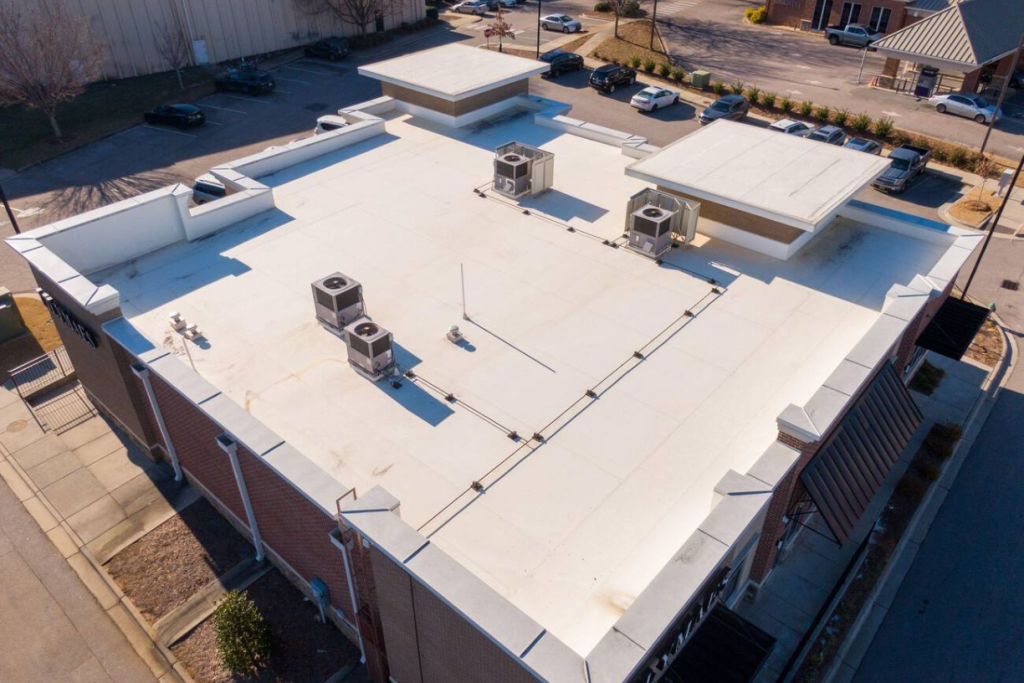
Flat roofs are common across NYC, the Bronx, Brooklyn, Queens, Westchester, and parts of New Jersey because they work well for multi-family and commercial buildings. But flat roofs require consistent drainage and maintenance.
The biggest winter threat is the freeze–thaw cycle. When temperatures drop below freezing overnight and rise above freezing during the day, moisture trapped in seams, blisters, cracks, and flashing expands and contracts repeatedly. That movement creates separation in the roof membrane, opens seams, and causes sudden leaks.
Even a small issue in the fall can turn into a major emergency by mid-winter.
1. Understand the Freeze–Thaw Cycle (Why It Destroys Flat Roofs)
The freeze–thaw cycle is a repeated pattern of freezing and warming that damages roofing materials over time.
Here’s how it works on flat roofs:
Step 1: Water enters weak points
Water can enter through:
- Small cracks in the membrane
- Aging seams and lap joints
- Blisters under the roof surface
- Old patchwork repairs
- Flashing edges near parapet walls
- Roof penetrations (vents, pipes, HVAC curbs)
Step 2: Water freezes and expands
At night, water turns to ice and expands. That expansion pushes roof materials apart and creates larger openings.
Step 3: Ice melts and water goes deeper
During the day, the ice melts and water flows deeper into the roof system, often reaching insulation and structural layers.
Step 4: The cycle repeats
Every freeze and thaw makes the damage worse. Over time, seams open up, blisters burst, and leaks begin.
Why flat roofs are hit harder
Flat roofs drain more slowly than sloped roofs. If drainage is poor, water sits longer, freezes faster, and creates heavy ice buildup that stresses the entire roof system.
2. Signs Your Flat Roof Is at Risk This Winter
Spotting issues early can prevent emergency leaks and interior damage. If you manage a building, these are the signs that should raise concern.
Roof surface warning signs
- Blisters or bubbles under the membrane
- Soft spots (possible wet insulation below)
- Seams pulling apart or lifting
- Cracks in the roof surface
- Patchwork repairs that look dried out or separated
- Loose edges near walls or roof perimeter
Drainage and water warning signs
- Clogged drains or scuppers
- Ponding water that stays longer than 24–48 hours
- Ice buildup around drain areas
- Water flowing slowly toward drains
Flashing and parapet wall warning signs
- Cracked flashing at wall transitions
- Separation where the roof meets the parapet
- Loose coping stones or open wall joints
- Deteriorated caulking around roof edges
Interior warning signs (often the first clue)
- Ceiling stains or discoloration
- Dripping water during warmer parts of the day
- Peeling paint or bubbling drywall
- Musty odors on top floors
- Ceiling sagging or soft drywall
If you see interior signs, it usually means water has already entered the roof system and is spreading.
3. Winter Roof Maintenance Checklist (Flat Roof Prep That Actually Helps)
Winter prep works best when it focuses on the areas where flat roofs fail most: drainage, seams, flashing, and penetrations.
1) Clean all drains and scuppers
This is the most important step for flat roofs.
NYC roofs collect debris fast—especially during fall. Leaves, dirt, plastic, and construction debris can block drainage and cause water to pond.
Drain prep should include:
- Clearing debris around drains
- Cleaning drain baskets/strain guards
- Making sure scuppers are open
- Checking downspouts for blockage
- Confirming water flows off the roof properly
Even partial clogs can lead to ponding water that freezes and creates ice sheets.
2) Seal cracked seams with reinforced patches
Seams are one of the most common leak points on flat roofs. When a seam opens slightly, water enters, freezes, expands, and opens it more.
Professional repairs often use reinforced patching (such as fleece reinforcement) to strengthen seams and prevent them from reopening during freeze–thaw movement.
3) Repair roof blisters before they rupture
Blisters are a sign of trapped air or moisture under the membrane. In winter, trapped moisture freezes and expands, causing blisters to grow and eventually split open.
Repairing blisters early reduces the risk of sudden winter leaks.
4) Waterproof penetrations (vents, pipes, HVAC supports)
Roof penetrations are a top source of winter leaks. These areas move with temperature changes and can crack around flashing.
Common penetration leak points include:
- Plumbing vents
- Exhaust fans
- HVAC curbs
- Electrical conduit
- Skylight curbs
These areas should be inspected, sealed, and reinforced before freezing temperatures increase movement.
5) Inspect flashing and parapet walls
Parapet walls are a major leak source in NYC. Water enters cracks in the wall or gaps in flashing, freezes, expands, and makes the damage worse.
Look for:
- Cracked masonry joints
- Loose coping stones
- Flashing separation
- Open corners and wall transitions
When parapet flashing fails, water can travel behind the membrane and leak into walls—not just ceilings.
6) Consider silicone or aluminum coating (when appropriate)
Roof coatings can help extend the life of aging flat roofs, but only if the roof is in suitable condition.
Silicone coating is often used because it:
- Handles ponding water better than many coatings
- Adds a waterproof barrier
- Stays flexible during temperature swings
Coatings should never be applied over an unprepared roof. Repairs and surface preparation are required first.
4. Why Winter Roof Prep Saves Thousands
Many owners delay roof work because the roof “isn’t leaking yet.” But with flat roofs, winter damage can spread quickly and cause expensive interior repairs.
Winter roof leaks can lead to:
- Drywall and ceiling damage
- Mold growth from trapped moisture
- Wet insulation that loses effectiveness
- Electrical hazards
- Tenant complaints and disruptions
- Repeated emergency calls
- Long-term structural deterioration
Emergency roof repairs are also more expensive in winter because conditions are harder, repairs may be temporary, and access is more difficult.
Preventative maintenance is usually far cheaper than emergency response.
5. Best Roof Materials for NYC Winter (Flat Roof Systems)
If you’re planning upgrades or repairs, the roofing system you choose matters.
APP 180 Torch Down
A common and durable option in NYC. When installed correctly, it provides strong waterproofing and performs well during freeze–thaw conditions.
Fleece-Reinforced Systems
These systems add strength in high-stress areas like seams and flashing zones. They’re a great option for roofs that experience movement and recurring seam issues.
Silicone Roof Coating
A strong restoration option for flat roofs with ponding water risk. It forms a seamless waterproof layer and stays flexible in changing temperatures.
Rubberized Roof Cement (limited use)
Can help in small repairs, but it’s not a long-term winter solution by itself. Many quick fixes fail once the roof shifts during freeze–thaw cycles.
6. When to Call a Professional Roofer
Some roof issues should never be delayed in winter. Call a professional if you notice:
- Active leaks or water stains inside
- Frozen drains or standing water turning to ice
- Soft spots or wet insulation
- Seams pulling apart repeatedly
- Multiple blisters appearing
- Flashing separating from parapet walls
- Leak problems that keep returning
The sooner you address it, the less interior damage you’ll face.
7. Winter Roof Prep Schedule (Simple Plan to Follow)
A seasonal schedule helps keep flat roofs protected year after year.
Nov–Dec: Pre-winter preparation
- Full roof inspection
- Drain and scupper cleaning
- Seam sealing and blister repair
- Flashing and parapet wall inspection
Jan–Feb: Mid-winter monitoring
- Freeze–thaw checks after storms
- Drain inspection for ice buildup
- Emergency response if leaks occur
Mar–Apr: Post-winter repairs
- Permanent repairs after winter stress
- Waterproofing upgrades
- Coating installation (if recommended)
Conclusion
Winter is the highest-risk season for flat roof failures in NYC. The freeze–thaw cycle can quietly damage seams, flashing, and drainage systems until a leak suddenly appears inside your building.
The best protection is early maintenance: clean drains, reinforce seams, repair blisters, waterproof penetrations, and inspect parapet walls. These steps can prevent emergency leaks, protect tenants, and save thousands in interior repair costs.
Contact Liberty GCNY
Website: www.libertygcny.com
Phone: (347) 682-9840
Serving: Manhattan, Brooklyn, Queens, The Bronx, Westchester County, and Long Island.
Address:110-14 178th St, Jamaica, NY